
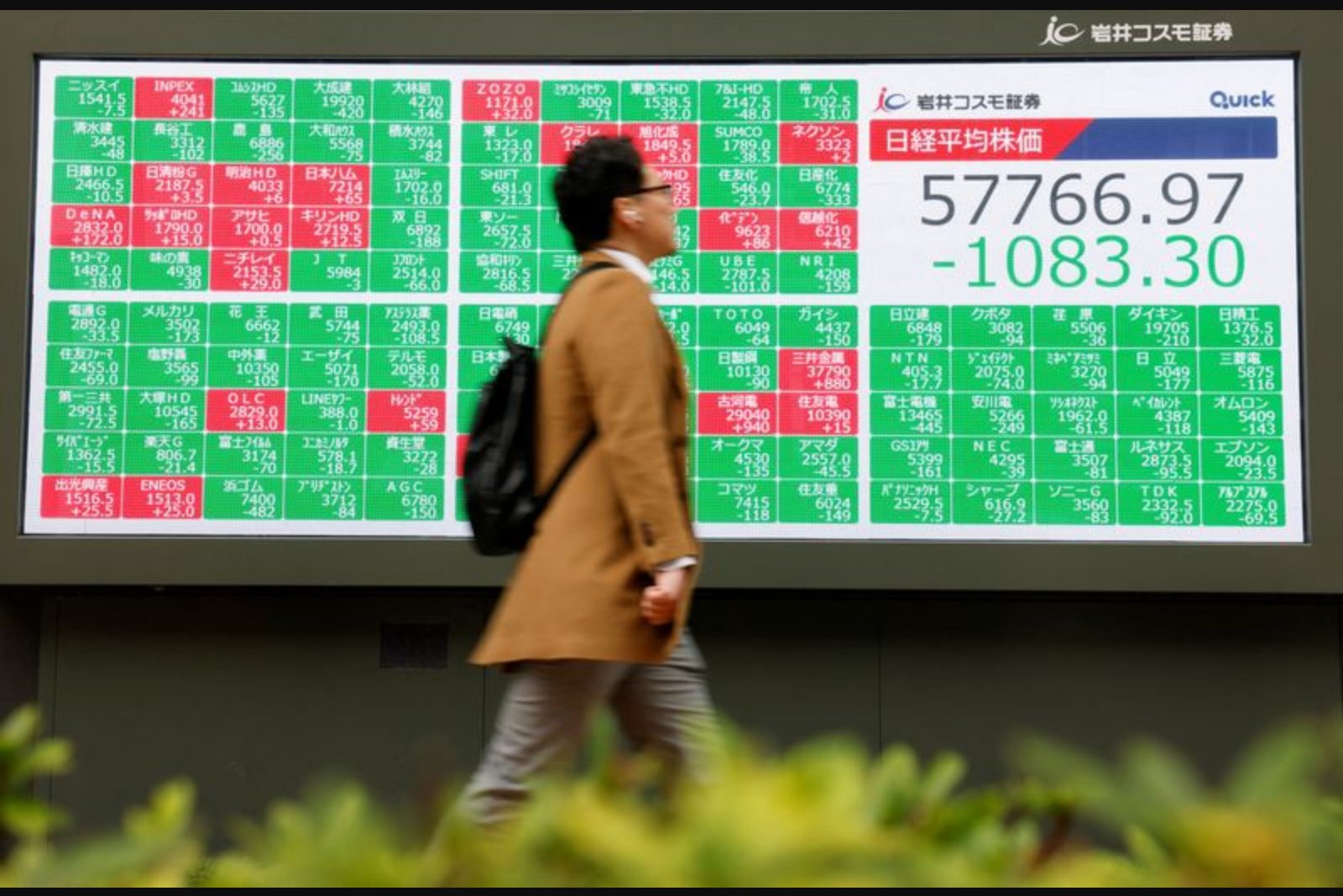
Global equity markets moved higher on Thursday, driven by a combination of strong semiconductor guidance, the resolution of significant labor unrest in South Korea, and renewed maritime activity in the Middle East. In Asia, MSCI’s broad index for Asia-Pacific shares, excluding Japan, climbed 1.2%, ending a four-day period of consecutive losses. A major driver in this region was the KOSPI, which saw a surge of more than 4%.
Market Drivers and Sector Impact
The semiconductor sector emerged as a primary catalyst for market movement. Asian chipmakers saw their shares rise following Nvidia’s Wednesday revenue forecast, which exceeded expectations. Nvidia CEO Jensen Huang sought to provide assurance to the investment community that the corporation can maintain significant growth in demand for its primary AI chips. Dan Ives, the global head of technology research at Wedbush Securities based in New York, characterized the current semiconductor environment as one dominated by Nvidia, noting that other entities are essentially paying rent as sovereigns and enterprises line up for the company's chips.
In South Korea, Samsung Electronics shares jumped over 6%. This rally followed news from the company's union regarding a tentative pay agreement, which resulted in the suspension of industrial action. The move averted a strike by nearly 48,000 workers, a situation that had posed a threat to both the South Korean economy and the global supply of chips.
Energy markets also saw movement as Brent crude futures rose 0.7% to $105.76 per barrel during Asian trading. This was a reversal from previous declines, occurring after three supertankers successfully passed through the Strait of Hormuz on Wednesday as Iran established control over the waterway.
In the United States, the S&P 500 increased by 1.1%, while the Nasdaq Composite rose 1.5% following a three-day decline. These movements coincided with comments from President Donald Trump suggesting that while the U.S. is prepared to pursue further attacks on Iran if no peace deal is reached, Washington might wait several days to obtain the necessary answers.
Regional Economic Indicators
Japan's Nikkei 225 index rose 1.9%. This gain came despite S&P Global flash manufacturing PMI data showing an expansion that slowed to 54.5 in May, down from 55.1 the previous month. However, Japanese export data provided a positive counter-signal, with finance ministry figures showing a 14.8% year-on-year increase in April, marking an eighth consecutive month of growth and challenging concerns regarding global stagflation.
In Australia, shares rose by 1.5% despite conflicting economic indicators. While the flash PMI for the services industry slowed to 47.7 in May from 50.7 a month prior, the manufacturing gauge remained at 50.2, staying just above the threshold between contraction and expansion.
Risks and Uncertainties
Despite the general rally, several areas of uncertainty remain for investors:
- Nvidia Performance Discrepancies: While the initial reaction to Nvidia was positive, its shares fell 1.1% in extended trading, and S&P 500 e-mini futures declined by 0.5%. Analyst Tony Sycamore from IG in Sydney noted that the market response was somewhat muted because the guidance was only modestly ahead of expectations and lacked any mention of sales in China.
- Monetary Policy and Inflation: The U.S. 10-year Treasury bond yield climbed 1.9 basis points to 4.588%. Recent Federal Reserve meeting minutes from late April indicated that policymakers' concerns regarding inflation have intensified, with a larger number of officials considering the possibility of interest rate hikes.
- Geopolitical Volatility: The situation involving Iran remains a factor for market sentiment, as evidenced by President Trump's statements regarding potential U.S. actions if peace negotiations do not succeed.
In the cryptocurrency market, Bitcoin saw a slight decline of 0.3% to $77,453.44, while ether also fell 0.3% to $2,127.53.