
GAZA/CAIRO, July 23 - In the densely packed tent camps of southern Gaza, a disposable cigarette lighter has become an unexpected but vital commodity, on par with staples such as food, water and fuel. For many displaced families, the simple ability to ignite a small flame underpins daily survival.
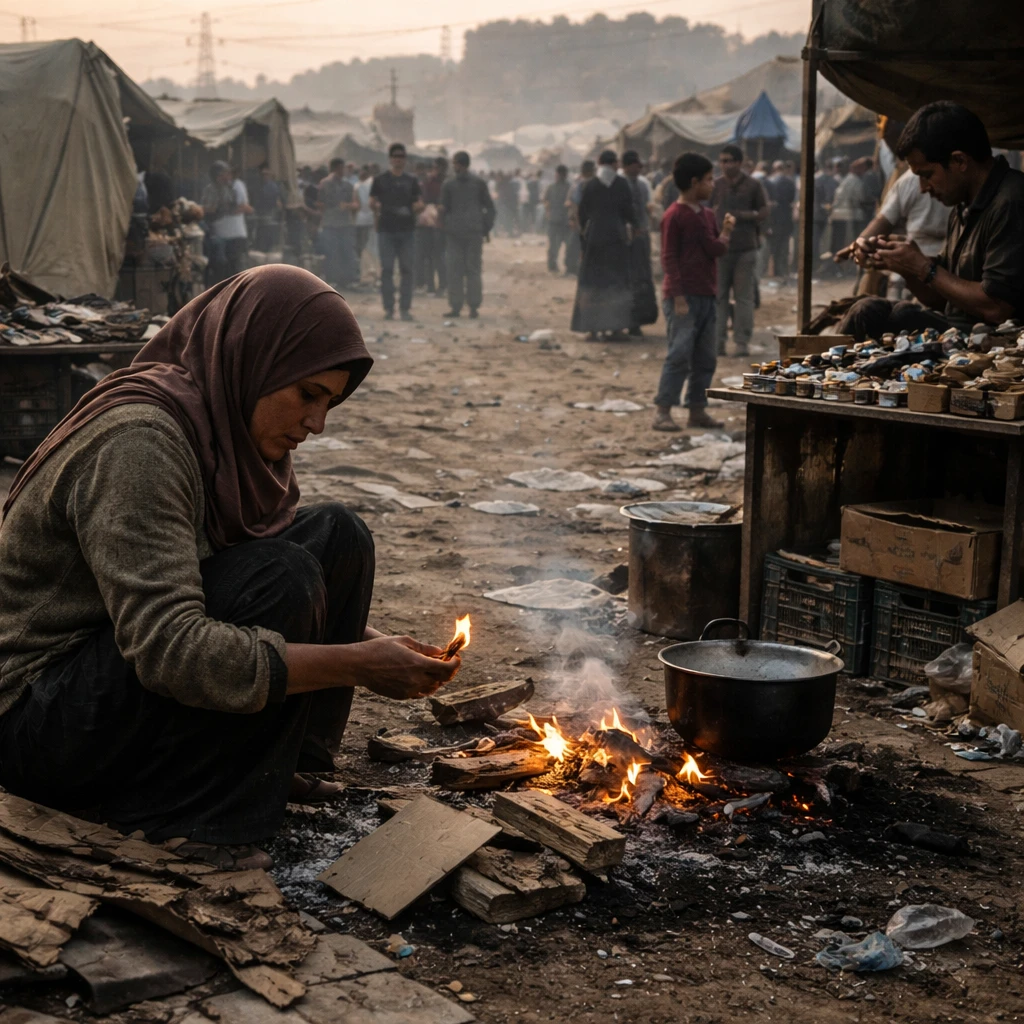
For Nisreen Abu Saada, a 38-year-old mother of four, lighting a stove or a small open fire is a persistent challenge in an environment where gas is largely unavailable and households rely on burning cardboard, plastic and scrap wood to prepare their meals. "The tent is useless without a lighter," she said. "There’s no gas, and we’re lighting fires 24 hours a day, which means a lighter is very essential in a tent," she said.
Before the conflict, three lighters cost one shekel ($0.33). Today a single disposable lighter can fetch 100 shekels ($32.55) - a price Abu Saada cannot afford. She sat outside her tent in Khan Younis beside a makeshift cooking area when she described how the scarcity affects daily life.
Nearly three years into the Gaza war, shortages of basic goods have reconfigured which items are valued. Lighters, once cheap and ubiquitous, are now passed among dozens of families, travelling from tent to tent until they break under relentless use. When they fail, many cannot be replaced because of the steep cost and limited supply.
The gap between demand and availability has given rise to an improvised repair economy. Hassan Abu Latifa, a displaced 35-year-old father of three who previously worked as an agricultural engineer, has set up a modest kiosk repairing broken plastic lighters. "Repairing lighters is not really a profession, but because of the suffering, people’s need for them, and our need to work, we were compelled to take it up as one," he said.
Abu Latifa works amid boxes of damaged lighters and a collection of salvaged parts. He says that high prices have made repair the default option for many families who would once have simply purchased replacements. The work reflects how everyday livelihoods have adapted to the collapse of regular supply chains.
The war has devastated Gaza’s economy. U.N. agencies say unemployment in Gaza exceeds 80%, while poverty has approached 100% after the conflict wiped out most economic activity and destroyed infrastructure across the enclave. A U.S.-brokered ceasefire in October halted major fighting but failed to end attacks by Israel, which says it has targeted Hamas and other Gaza militants posing an imminent threat.
Meanwhile, competing claims persist over the adequacy of aid deliveries. The Hamas-run Gaza government media office says supplies entering Gaza have fallen far short of needs, while COGAT, the Israeli military body responsible for humanitarian affairs in the Palestinian territories, says food deliveries since the ceasefire have exceeded World Food Programme requirements.
For small-scale vendors and craftspeople, the availability of a lighter directly affects income. Iftikhar al-Kafarna, a displaced mother of six who bakes bread in a traditional oven to earn money, described how critical a small ignition source is to her trade. "If there is a lighter, there is work. If there is no lighter, the work stops, and I can sit for three or four hours without work," she said.
Across the camps, practical improvisation has become routine. Some residents wait near neighbouring fires and coax a flame from a warmed piece of cardboard to carry back to their own cooking area. Others queue to borrow functioning lighters. In these conditions, the failure of a single small plastic device can pause production, reduce incomes and increase vulnerability.
The transformation of an everyday item into an essential good underscores both the depth of shortages and the adaptive strategies displaced communities have developed. From shared use across tents to an emergent repair trade, the role of the disposable lighter in Gaza’s tent camps highlights the intersection of scarcity, survival and informal economic activity.
Key points
- Disposable lighters have become essential in Gaza’s tent camps as gas remains scarce and families burn cardboard, plastic and wood to cook - impacting household consumption and small-scale food production.
- Soaring prices have led to a small repair economy, with displaced individuals fixing lighters to meet local demand, affecting informal retail and service activities.
- The broader economic collapse - with unemployment exceeding 80% and poverty nearing 100% - is reshaping basic markets and livelihoods across the enclave.
Risks and uncertainties
- Persistent shortages and high prices for basic items like lighters could further hinder small businesses and individual income-generating activities, particularly in food preparation and local retail sectors.
- Disputed assessments of aid delivery levels introduce uncertainty about when or whether supply constraints will ease, affecting humanitarian, consumer goods and energy-related market access.
- Ongoing hostilities and restrictions on movement and goods could prolong supply disruptions, sustaining elevated costs for household essentials and limiting economic recovery.