
World July 23, 2026 07:11 AM

ICC Ends Proceedings After Prosecutors Withdraw Charges Against Darfur Militia Leader

Prosecutors cite weakened evidence in decade-old case against Abdallah Banda Abakaer Nourain; judges leave door open for future charges

By Nina Shah
Share
Twitter Reddit Facebook LinkedIn

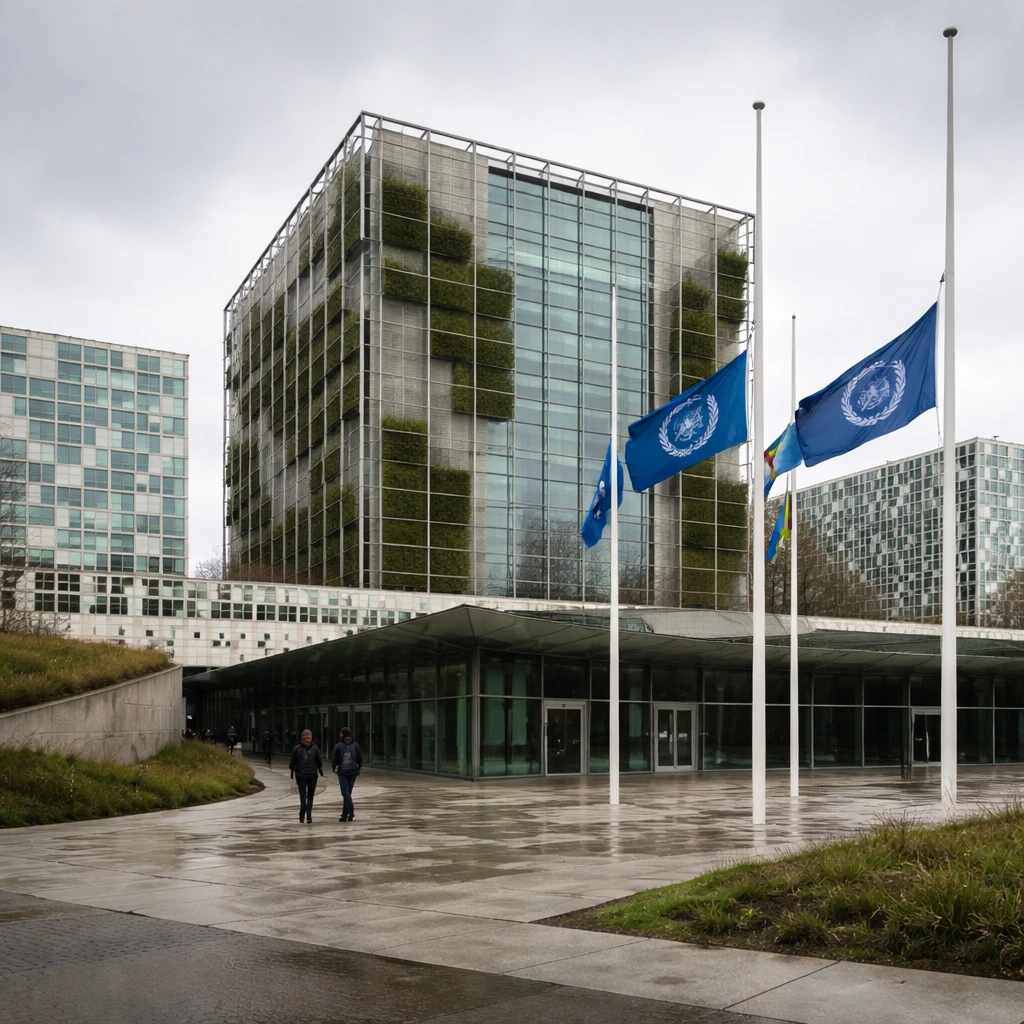
Judges at the International Criminal Court in The Hague terminated proceedings against Abdallah Banda Abakaer Nourain after prosecutors withdrew war crimes charges linked to a 2007 attack on African Union peacekeepers, saying evidence had deteriorated since confirmation in 2011. The court noted the withdrawal does not bar prosecutors from reopening a similar case later.

ICC Ends Proceedings After Prosecutors Withdraw Charges Against Darfur Militia Leader
Summarize with
ChatGPT Perplexity Claude Grok Gemini

Key Points

  • Prosecutors withdrew war crimes charges against Abdallah Banda Abakaer Nourain citing deterioration of evidence since the charges were confirmed in 2011.
  • ICC judges terminated the proceedings but noted prosecutors could bring a similar case against Banda in the future.
  • Sectors relevant to this development include legal and international justice frameworks, as well as security and defence considerations tied to ongoing instability in Sudan.

Judges at the International Criminal Court (ICC) in The Hague formally ended the case against Abdallah Banda Abakaer Nourain on Thursday after the prosecution withdrew the charges filed against him.

The prosecution explained that the quality of its evidence against Banda - who had faced allegations of war crimes for a 2007 assault on African Union peacekeepers - had deteriorated since the charges were confirmed in 2011. In a statement, prosecutors said: "There are no longer substantial grounds to believe that Mr Banda is responsible for the charged crimes."

The bench at the ICC accepted the withdrawal and terminated the proceedings. The judges also made clear that the current withdrawal does not prevent prosecutors from pursuing a similar case against Banda in the future should new or stronger evidence emerge.


Banda was formerly the leader of the Justice and Equality Movement (JEM), identified in court records as one of the two principal armed groups operating in Darfur during the conflict that began in 2003. That conflict started when predominantly non-Arab insurgents took up arms against Sudan's government. In response, Sudan's then-government mobilised Arab militias commonly referred to as the Janjaweed to suppress the rebellion, an escalation that the U.S. and human rights organisations described as amounting to genocide.

The United Nations Security Council referred the Darfur situation to the ICC in 2005. Over the ensuing years the court has pursued a limited number of cases related to the conflict. To date, the ICC has completed one trial connected to Darfur atrocities, convicting a Janjaweed militia leader and sentencing him to 20 years in prison for war crimes and crimes against humanity.

Separately, the region has experienced renewed violence. In 2023 a new war erupted in Darfur and across Sudan, pitting the national army against the paramilitary Rapid Support Forces - a group widely viewed as successors to the Janjaweed.

There remain three publicly known outstanding ICC arrest warrants linked to the 2003-2005 Darfur conflict. Among those sought is former Sudanese president Omar al-Bashir, who faces accusations of genocide.

The court's action on Banda's case underscores the procedural challenge prosecutors face when long-running investigations rely on evidence that can weaken over time. The termination for now does not equate to an acquittal, and the possibility of renewed proceedings remains on the record.

Risks

  • Deterioration of evidence over prolonged investigations can lead to dropped or delayed prosecutions - a risk to the effectiveness of international criminal law (affecting the legal sector).
  • Ongoing conflict in Sudan, including the 2023 fighting between the army and the Rapid Support Forces, maintains regional instability that can complicate accountability efforts (affecting security and humanitarian sectors).
  • Outstanding ICC warrants, including for former president Omar al-Bashir, indicate unresolved judicial processes that may continue to create uncertainty for international legal and diplomatic actors (affecting legal and diplomatic sectors).

More from World

U.S.-backed Outdoor Trials Begin for Male-Only GMO Screwworm Fly to Combat Livestock Pest Jul 23, 2026 Inside Pickaxe Mountain: The Deeply Buried Iranian Facility Drawn into U.S. Threats Jul 23, 2026 Galicia revives native sheep and Cachena cows to reduce wildfire risk Jul 23, 2026 Seoul Shifts to 'Peace First' Stance on North Korea While Keeping Denuclearisation as Long-Term Goal Jul 23, 2026 U.S. Signals Willingness to Help End Ukraine War After Manila Meeting with Lavrov Jul 23, 2026