
The landscape of federal compensation is shifting following the announcement by the Trump administration of a $1.776 billion fund intended for Americans who identify as victims of political weaponization. This massive allocation has prompted immediate maneuvering from various figures, including defendants from the January 6 Capitol riot and close associates of President Trump, all seeking to secure their portion of the resources.
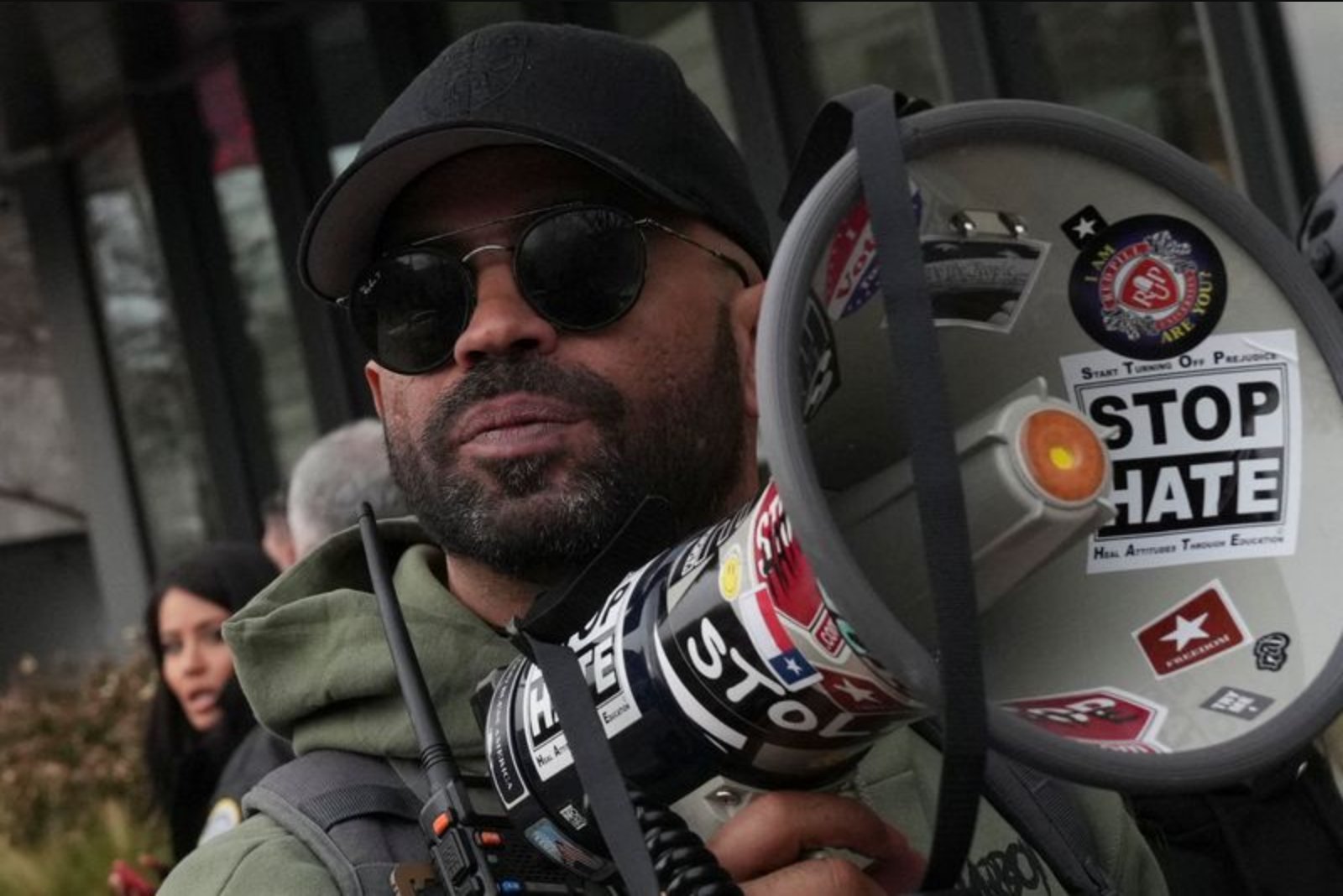
Enrique Tarrio, the leader of the Proud Boys who received a 22-year sentence for seditious conspiracy related to the January 6 events, has expressed his intention to seek compensation. Tarrio indicated he expects to apply for an amount ranging between $2 million and $5 million, stating that while he is not motivated by greed, the legal consequences of the riot significantly disrupted his life. His sentiment reflects a broader movement among those pardoned by President Trump last year, who are now calculating the financial toll of their prosecutions, time spent in incarceration, and the loss of business interests.
The Scale of Claims and Legal Friction
Legal representation for these individuals suggests that the $1.776 billion pool may prove insufficient to meet the demand. Peter Ticktin, an attorney representing more than 400 January 6 defendants, noted that many individuals lost multi-million dollar enterprises during their periods of incarceration. Ticktin expressed a belief that the Department of Justice (DOJ) is not yet prepared for the volume of claims expected once the formal application process and the five-member oversight commission are established.
Even President Trump has voiced concerns regarding the adequacy of the fund. Speaking at Joint Base Andrews, he characterized the current amount as "peanuts," suggesting that the scale of the fund does not fully account for the lives destroyed by previous legal actions. This sentiment is echoed by some defendants who have embraced terms like "lawfare" and "weaponization," viewing the fund as a form of payback for what they describe as systemic injustice.
Legal Challenges and Legislative Pushback
The fund faces mounting opposition from both legal and legislative fronts. Two police officers who were involved in defending the U.S. Capitol on January 6 have filed a lawsuit to stop the compensation process, labeling it a "taxpayer-funded slush fund" for those who participated in violence against the Capitol. Furthermore, Democratic lawmakers have raised serious questions regarding the legality of the fund and specific components of a settlement that would prevent the IRS from auditing the tax claims of Trump, his business interests, and his relatives.
In a formal letter, Democratic Representatives Jamie Raskin and Richard E. Neal directed inquiries to Treasury Secretary Scott Bessent, acting Attorney General Todd Blanche, and IRS CEO Frank Bisignano. They requested clarification on whether individual awards would be subject to caps and demanded transparency regarding public reporting. The representatives characterized the scale of the administration's actions as a pursuit of corruption on a colossal level.
Broad Applications and Political Implications
The scope of who can receive funds remains a central point of contention. Acting Attorney General Todd Blanche informed lawmakers that individuals who assaulted police officers during the January 6 riot would not be barred from receiving payments. This was corroborated by Tarrio, who argued that everyone deserves compensation because the Justice Department overprosecuted for political purposes.
The potential for bipartisan application has also emerged. While many Trump allies are seeking funds, some Democrats have suggested they might also apply, citing instances where they believe the Trump Justice Department targeted them with weak political cases. Former FBI Director James Comey noted on CNN that he has considered applying for the fund to compensate for being targeted by the DOJ for perceived personal or ideological reasons.
Specific examples of pending claims include a request from Michael Caputo, a former administration official, who has asked Todd Blanche for $2.7 million in restitution following investigations by the Biden administration and special counsel Robert Mueller. On the other hand, some supporters remain hesitant; Barry Ramey, a Proud Boys affiliate convicted of attacking officers, expressed uncertainty about whether applying could interfere with his existing claims against the Bureau of Prisons, though he noted that a $2 million payout might change his stance.
Key Economic and Market Points:
- Fiscal Allocation Shifts: The mobilization of $1.776 billion in federal funds represents a significant shift in government capital allocation toward legal restitution and political compensation.
- Legal and Regulatory Uncertainty: The fund's structure, particularly the settlement regarding IRS audit restrictions, introduces uncertainty into tax enforcement and regulatory oversight for high-profile entities.
- Impact on Public Sector Spending: Legislative attempts to block the fund through spending-bill amendments could lead to broader debates over federal budget priorities and fiscal discipline.
Risks and Uncertainties:
- Litigation Risk: Lawsuits from law enforcement officers and questions regarding the legality of the settlement create significant uncertainty regarding the long-term viability of the fund.
- Administrative Execution Risk: The effectiveness and fairness of the fund depend on the appointment of a five-member commission and the creation of a structured application process by the DOJ.
- Political Volatility: The bipartisan nature of potential claims—ranging from Trump allies to figures like James Comey—creates high levels of political uncertainty that could impact federal policy stability.