
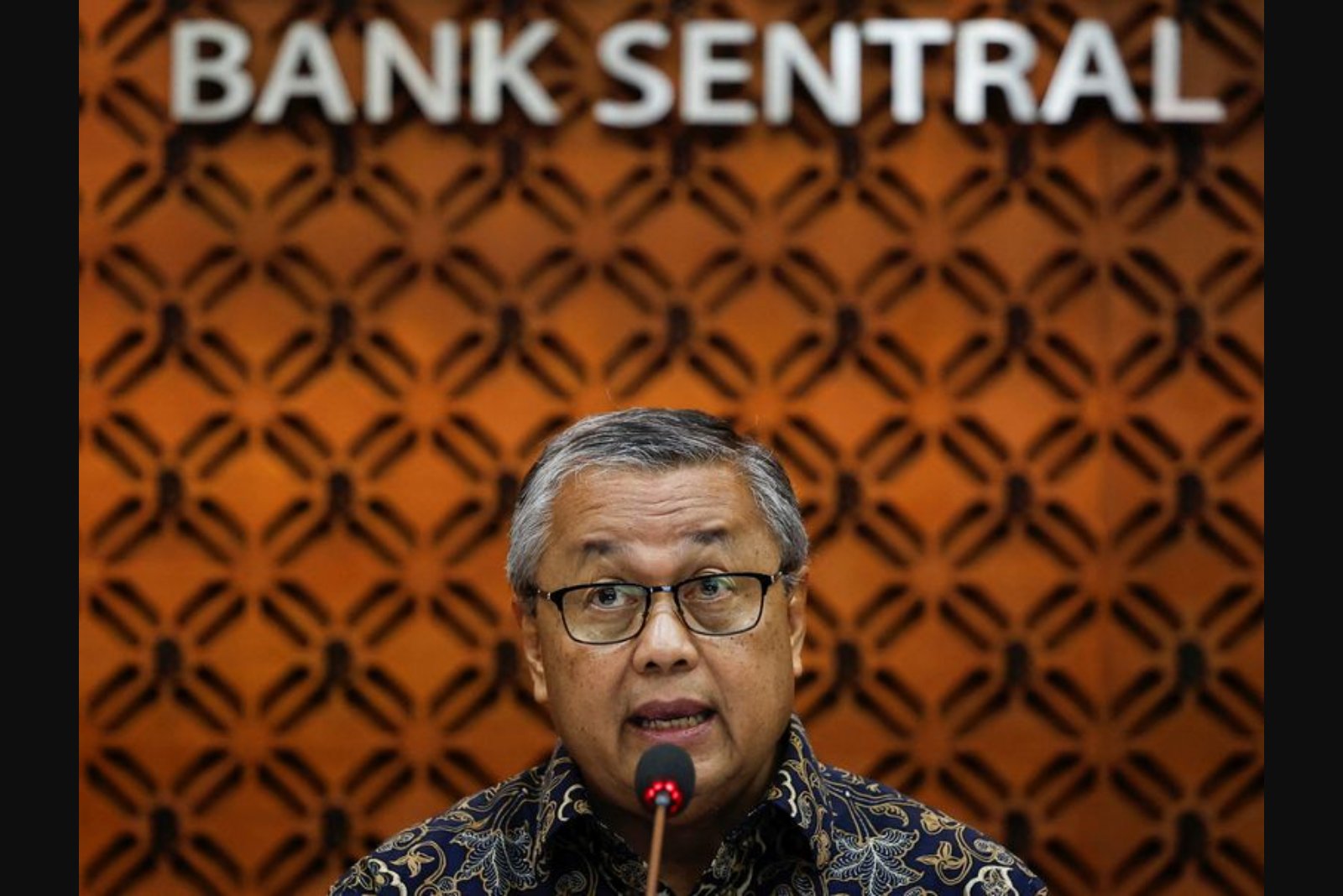
JAKARTA, May 20 - In a surprise to many market participants, Bank Indonesia moved decisively on Wednesday, raising its main policy interest rate by 50 basis points. The central bank increased the 7-day reverse repurchase rate to 5.25% - the first upward adjustment to policy rates in two years - and simultaneously raised the overnight deposit facility and lending facility rates to 4.25% and 6.00%, respectively.
The size of the increase was double the rise anticipated in a Reuters poll of economists, underscoring a shift in emphasis toward defending the exchange rate amid recent market turmoil. Governor Perry Warjiyo framed the decision as a step to strengthen stabilization of the rupiah - which has hit a string of record lows against the U.S. dollar - amid global volatility tied to the Middle East conflict, and as a pre-emptive action to keep inflation inside the central bank's target range for 2026 and 2027.
Warjiyo said in an online press conference that Bank Indonesia would combine the rate move with market intervention and policies to attract capital inflows to help stabilise the currency. He noted that the central bank will also ensure banking system liquidity remains ample to cushion the economic impact of tighter monetary conditions, indicating an active policy mix rather than an exclusive reliance on interest rates.
The rupiah had set a fresh record low of 17,745 per dollar in morning trade on Wednesday. After the rate announcement it traded around 17,600 per dollar. The currency has depreciated by roughly 6% against the U.S. dollar so far this year, positioning it among the weakest performers in the emerging Asia cohort.
Indonesia's foreign exchange reserves have fallen by $10 billion over the year to April, a decline the central bank attributed in part to interventions to defend the rupiah. The authorities highlighted several current drivers of elevated dollar demand: corporate repatriation of dividends, repayments of foreign-currency debt, and consumer dollar purchases related to the annual Muslim hajj pilgrimage to Mecca.
"We believe there will be big inflows coming in that will meet the FX demand," Warjiyo said, adding his expectation that the exchange rate would stabilise in June and then trend stronger in July and August. The central bank therefore sees its combination of rate action, direct market intervention and measures to draw capital as the right toolkit to address both immediate currency pressures and medium-term inflation objectives.
Market reaction included commentary from local economists who viewed the aggressive 50 basis point move as a signal of the central bank's priorities. Rangga Cipta, chief economist at Mandiri Sekuritas, said the hike demonstrated a shift toward prioritising foreign exchange stability while preserving Bank Indonesia's credibility and independence. Cipta also suggested that further tightening could occur - contingent on rupiah developments - but cautioned that the move did not signal the start of a prolonged hiking cycle given ongoing weak domestic investment and GDP growth that remains below potential.
Separately, President Prabowo Subianto used a public appearance on Wednesday to lay out ambitious fiscal and growth targets for the coming year and to pledge institutional strengthening. The government has continued to shield many consumers from increases in fuel costs through higher subsidies, a policy that has helped keep headline inflation subdued at 2.42% in April. That reading lies comfortably within Bank Indonesia's inflation target band of 1.5% to 3.5%.
Despite relatively low current inflation, Warjiyo warned of upward pressure from rising global energy costs. He said Bank Indonesia was therefore strengthening its policy mix to ensure inflation remains within target through 2027. At the same time, the central bank left its 2026 economic growth forecast for Indonesia unchanged, projecting expansion in a range of 4.9% to 5.7%.
Bank Indonesia's rate adjustment came amid a fragile external backdrop and domestic policy considerations that have fed investor unease, including questions around fiscal plans, central bank independence and transparency in capital markets. The central bank's messaging emphasised both its readiness to act in defence of the rupiah and its intent to mitigate negative spillovers to the broader economy by maintaining ample liquidity.
Going forward, officials indicated the chance of additional tightening remains conditional on currency developments, while stressing that broader economic indicators such as investment and growth will inform the duration and extent of any further moves. For now, the 50 basis point hike stands as a notable decision to confront immediate exchange rate pressures while preserving the stated medium-term inflation mandate.