
Turkish Foreign Minister Hakan Fidan said discussions are ongoing about how to manage or mitigate the consequences of a possible U.S. withdrawal from what he described as the "European security architecture." He declined to provide details of those talks but warned that any withdrawal by the United States could be "destructive" for Europe if it were carried out in an uncoordinated fashion.
Fidan made the remarks during a panel at a diplomacy forum in the southern Turkish province of Antalya. He framed the possibility of a U.S. pullback as a risk that needs active planning, saying it was not necessarily a total departure but could be a partial reduction in American engagement.
"We are very much discussing how to manage or mitigate the withdrawal of the U.S. from the European security architecture. Not totally, but partially. Even a partial withdrawal... would be very destructive for Europe if it’s not done in a coordinated way," Fidan said.
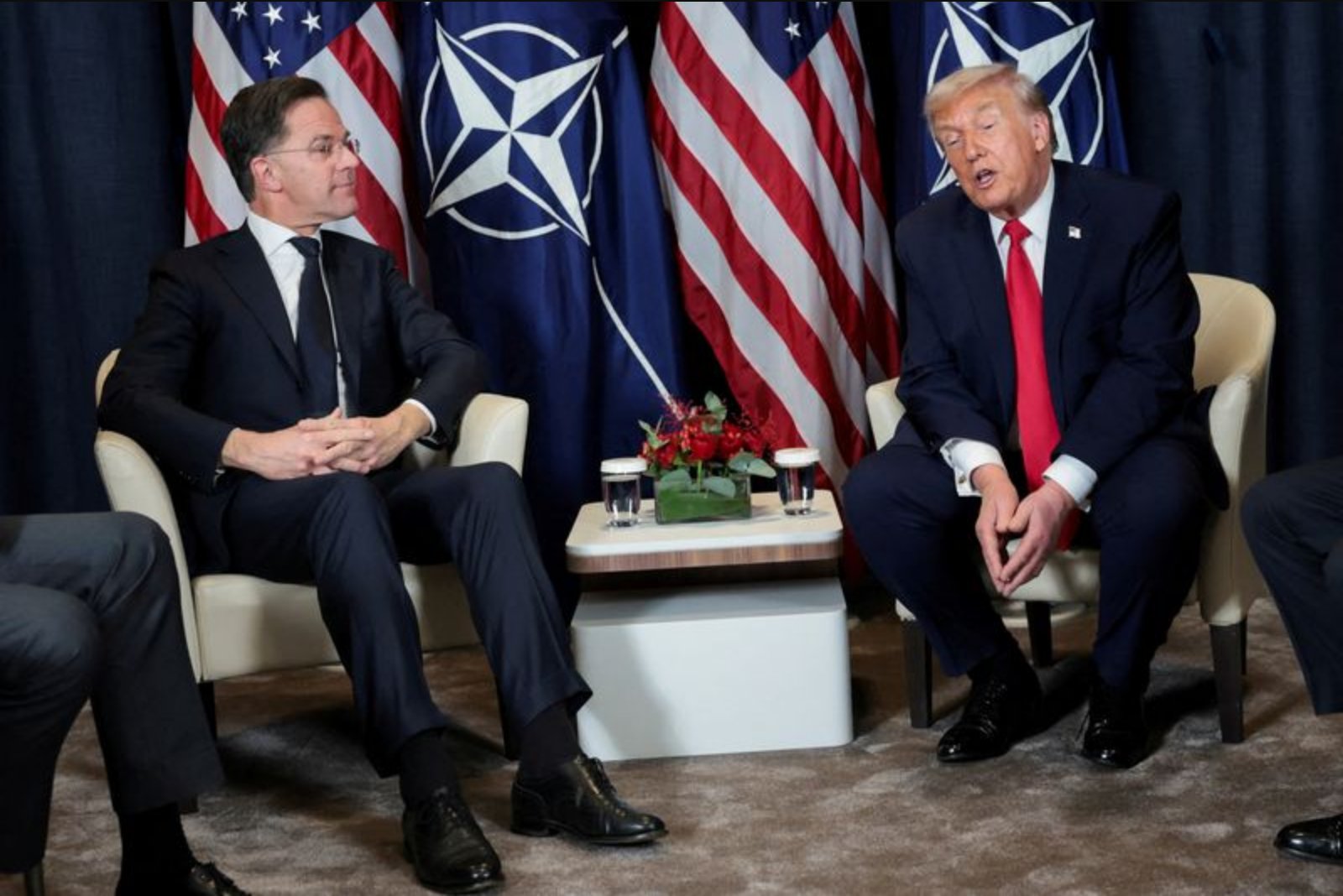
Those comments come against a backdrop of heightened friction within the Western alliance. The article referenced remarks by U.S. President Donald Trump, who has threatened to pull his country out of NATO after European members of the alliance declined to send ships to unblock the Strait of Hormuz following the start of the U.S.-Israeli war against Iran. That decision by European states, the article noted, added to tensions that had already risen since Mr. Trump said he wanted to acquire Greenland.
Fidan also criticized what he described as EU states within NATO "acting like a separate club," saying those countries were taking decisions independently even when such moves contradicted the alliance's stated position. "You want to be a separate EU organisation within NATO? Well America said 'I’m letting you go, cutting off your ties'," he said.
He urged allied governments to use the NATO summit scheduled for July in Ankara as a chance to reset relations with President Trump and Washington, while also preparing for a potential reduction in U.S. involvement in European security structures.
The article also reported remarks attributed to NATO's Secretary General Mark Rutte, who has said he understands Mr. Trump's frustrations with the alliance. According to the same reporting, Rutte added that a large majority of European nations has been helpful to Washington's war effort against Iran.
Separately, the piece cited a senior White House official who told Reuters this month that, amid frustration with NATO, Mr. Trump had considered the option of removing some U.S. troops from Europe.
The conversations described by Fidan reflect concern within allied capitals about how shifts in U.S. policy could affect collective defense arrangements and the broader security environment in Europe.