
World April 18, 2026 01:13 AM

New Zealand Upholds Patrol Flight Near China, Citing UN Mandate

Wellington says P-8A mission targeted North Korean sanctions evasion; Beijing accuses aircraft of close-in reconnaissance that threatened civil aviation order

By Sofia Navarro
New Zealand Upholds Patrol Flight Near China, Citing UN Mandate

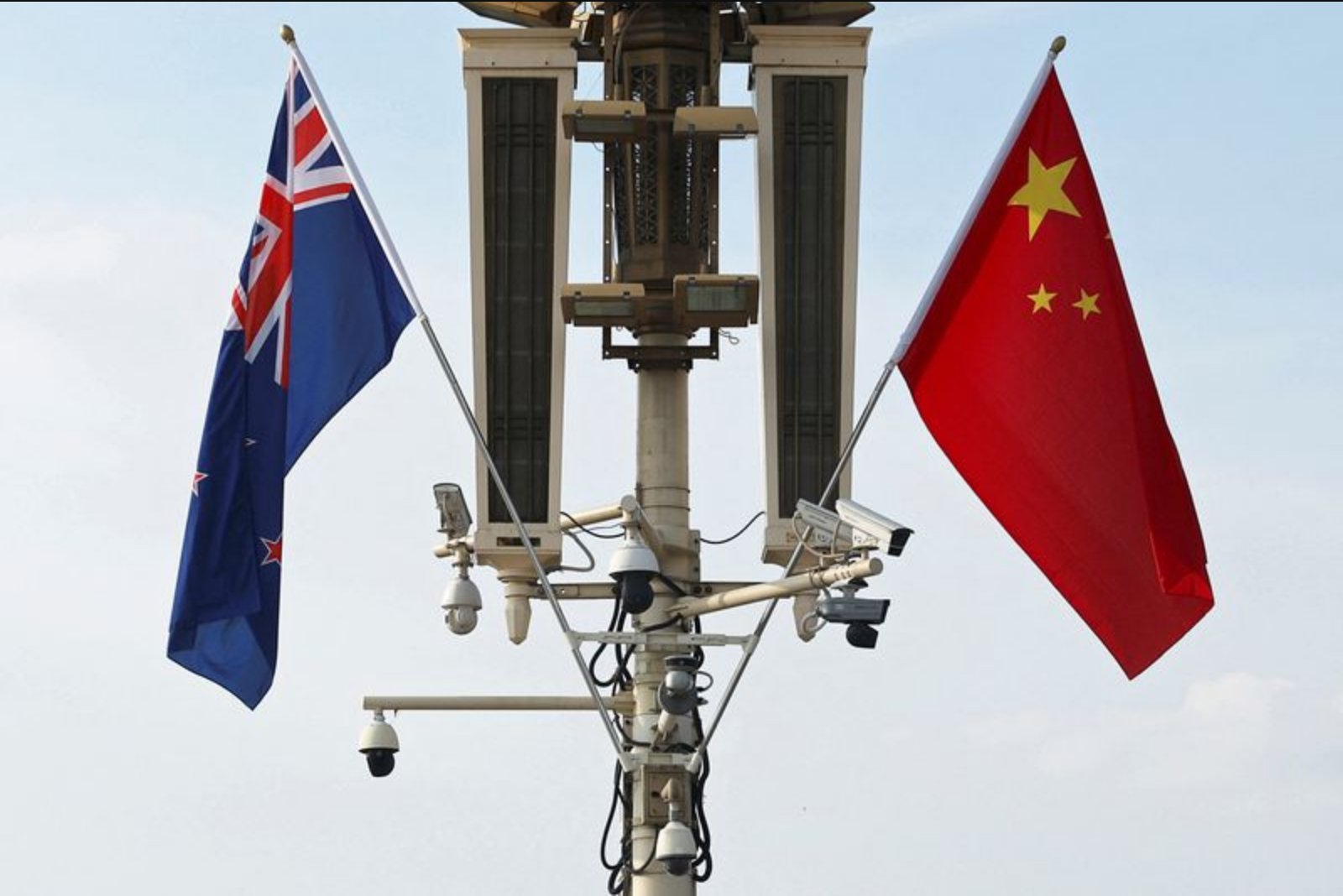
New Zealand defended a Royal New Zealand Air Force P-8A patrol flight near China after Beijing said the mission undermined its security interests and disrupted civil aviation. Wellington says the aircraft was monitoring alleged North Korean sanctions evasion at sea under UN Security Council resolutions, and maintains the crew acted professionally and complied with international law and regional aviation procedures. The episode follows recent diplomatic friction and high-level meetings between the two countries.

Key Points

  • Beijing said a New Zealand P-8A patrol aircraft "conducted continuous close-in reconnaissance and harassment" in the Yellow Sea and East China Sea, and warned of increased risks of misunderstanding and miscalculation - sectors affected include aviation and regional security.
  • Wellington countered that the Royal New Zealand Air Force aircraft "has been undertaking activities that monitor North Korean sanctions evasions at sea in North Asia under UN Security Council resolutions," highlighting defence and maritime enforcement roles - sectors affected include defence and shipping.
  • The incident follows a period of friction, including Chinese navy live-fire exercises near New Zealand in February last year and a June leaders' meeting in New Zealand where trade was discussed - sectors affected include trade and diplomacy.

New Zealand on Saturday rejected Chinese criticism of a military patrol aircraft operation carried out near Chinese airspace and waters, saying the mission was consistent with international mandates and framed by established procedures.

China’s foreign ministry on Friday accused a New Zealand P-8A patrol aircraft of having "conducted continuous close-in reconnaissance and harassment in the airspace and waters of the Yellow Sea and East China Sea" and said the manoeuvring "undermined China’s security interests, increased risks of misunderstanding and miscalculation, and gravely disrupted the order of civil aviation," according to an official transcript of the ministry’s comments.

In response, the New Zealand Defence Force provided a public statement defending the flight and explaining its purpose. The defence force said the Royal New Zealand Air Force aircraft "has been undertaking activities that monitor North Korean sanctions evasions at sea in North Asia under UN Security Council resolutions" and emphasised the legal and procedural conduct of the crew.

The statement added that "The New Zealand Defence Force crew operated professionally and in accordance with international law and civil aviation procedures for the region." It also noted that Wellington has repeatedly described the deployment as "a longstanding deployment enforcing UN-mandated sanctions on North Korea."

The exchange comes amid a period of strained ties. Relations between the two governments were reported to have been under pressure since February last year, when Chinese navy vessels conducted live-fire exercises in the Tasman Sea close to New Zealand. Leaders from both nations later met in June on New Zealand soil and discussed the part trade plays in strengthening bilateral relations.

The New Zealand defence statement framed the patrol as a targeted effort to enforce international sanctions, while the Chinese foreign ministry framed the activity as a security concern that raised the possibility of miscalculation and interfered with civil aviation order. Each side therefore presented its position in terms that underline differing assessments of the flight’s purpose and regional implications.

Neither statement indicated further operational details or immediate diplomatic steps beyond the public comments. The public record of the incident is limited to the statements from the two governments and the previously noted recent interactions between their leaders.

Risks

  • Chinese statement warned the flight "increased risks of misunderstanding and miscalculation," indicating potential for escalatory incidents that could affect regional aviation and security.
  • China said the actions "gravely disrupted the order of civil aviation," suggesting operational and safety concerns for commercial and military flights in the affected airspace.
  • Ongoing diplomatic strain between the countries, noted after earlier naval exercises and despite subsequent leader-level talks, creates uncertainty for bilateral cooperation on trade and defence-related matters.

More from World

Iranians Brace for Harder Conditions as Ceasefire Eases External Threats but Raises Domestic Fears Apr 18, 2026 Economic Strain Emerges as Central Pressure Point in U.S.-Iran Conflict Apr 18, 2026 Trump Signals Progress on Iran Talks as Strait of Hormuz Reopens Temporarily Apr 18, 2026 Australia and Japan Finalize A$10 Billion Warship Contract to Boost Naval Capabilities Apr 18, 2026 Beijing to Complete Core Area of Satellite Town in 2026 as Commercial Space Industry Expands Apr 17, 2026