
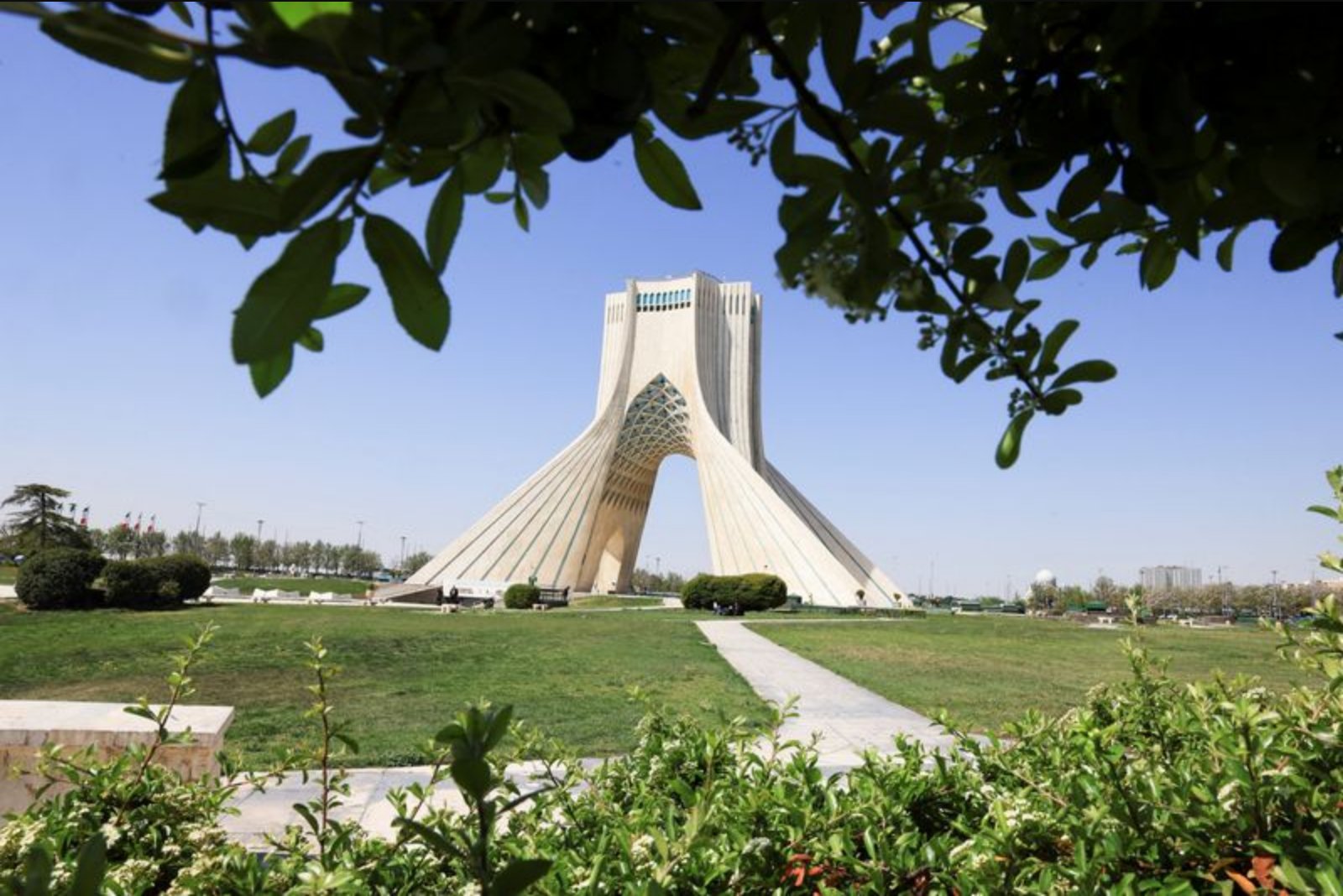
Across Iranian cities, visible signs of daily life have begun to reappear following weeks marked by foreign airstrikes and a harsh internal crackdown. Retailers, cafes and government offices are operating. Parks fill with families and young people take part in sports. Yet beneath that surface of normality, residents describe an economy severely impaired by strikes and prolonged internet interruptions, and they voice concern about what may come after a truce is consolidated.
The current pause in open hostilities has left citizens balancing relief that immediate bombardment has paused with anxiety about long-term consequences. Talks are reportedly under way to extend the ceasefire and to agree terms for ending hostilities. Iran's foreign minister said the Strait of Hormuz was open following a ceasefire accord for Lebanon, and U.S. President Donald Trump expressed optimism that a deal to end the conflict would arrive soon.
Many Iranians say that while the cessation of external attacks reduces the immediate danger, it could also remove a source of pressure on the ruling theocracy, allowing it to refocus on internal control. "The war will end, but that’s when our real problems with the system begin. I’m very afraid that if the regime reaches an agreement with the United States, it will increase pressure on ordinary people," said a 37-year-old named Fariba, who participated in the unrest that erupted in January.
Fariba told Reuters by phone that citizens have not forgotten what occurred during the January crackdown, and that the authorities remember that many people oppose the system. "They are holding back now because they don’t want to fight on a domestic front as well," she said. That tension underscores a widespread concern: peace with external actors could translate into greater domestic repression.
Official figures indicate thousands were killed by the bombing campaign, including many who died at a school on the first day of the conflict, and infrastructure across the country has been damaged. The scale of physical destruction raises the prospect of widespread job losses as damaged facilities and services reduce economic activity.
Analysts say Iran's theocratic leadership appears to have endured the bombardment and retains control over key levers of power, including influence over global oil supplies. "Iranians understood that this war is not going to topple the regime, but at the same time, it’s going to make their lives much worse economically," said Omid Memarian, an Iran analyst at the independent U.S.-based think tank Dawn. He added that the military effort is likely to remain in place and to be costly and bloody, with no clear prospect of improved conditions for ordinary people.
In interviews in north Tehran, residents expressed a range of reactions. Mehtab, who works at a private company and declined to give her family name, suggested that given Iran's recent history of sanctions and isolation, current conditions could be managed. "I do not want to say that it is normal but as an Iranian with such a history, it is not very bad. We can live with it," she said.
That conservative assessment was not universal. Others interviewed by phone, speaking anonymously for fear of reprisals, described considerably greater unease. "Yes, people are enjoying the ceasefire for now - but what comes next? What are we supposed to do with a regime that has become even more powerful?" asked Sara, 27, a private teacher who declined to provide her family name or location.
Thousands were killed when authorities suppressed the January protests, an episode that previously prompted U.S. President Donald Trump to say he would support Iranians. Early in the conflict, both Trump and Israeli Prime Minister Benjamin Netanyahu suggested they hoped the strikes might contribute to toppling the clerical leadership, but that objective faded as the bombing campaign continued.
Memarian said anger over the domestic crackdown initially fuelled calls for a change in leadership, but the subsequent course of the war has shifted public sentiment. "I think it became more clear for many Iranians that this war is not designed, or is not aimed, at helping the Iranian people," he said.
Visible shifts in public behavior reflect recent social movements. In north Tehran, several women in a cafe were not wearing the hijab, a head covering that was mandatory for decades in Iran. Looser public dress in some areas has been an outcome of the mass protests in 2022 over women's rights. Authorities responded to that unrest with violent repression while simultaneously relaxing enforcement of certain dress rules.
Independent UK-based Iranian political analyst Hossein Rassam said it became apparent in January that the authorities would not easily yield, and later that they would not collapse under military attack. He described the current situation as polarizing, leaving Iranians with few choices. "This is a moment of reckoning for Iranians because at the end of the day Iranians, especially Iranians inside the country, realise that they need to live together. There is nowhere to go," he said.
Many people worry that repression could intensify once external threats diminish. "On the streets, women are going around without the hijab, but it’s unclear whether these kind of freedoms will continue after a deal with the United States. Pressure will 100% increase, because once there is peace with Washington, the regime will no longer face the same external pressure," said Arjang, a 43-year-old father of two, by phone from north Tehran.
The January protests left no immediate, tangible improvements in daily life, and they were followed by severe internet restrictions imposed by authorities. Those cuts hit both commercial interests and ordinary citizens seeking information during the conflict. "Even the smallest things like connecting with our family members who live outside the country is impossible," said Faezeh, 47, as she played volleyball with friends in a north Tehran park.
Analysts warn that once the war ends and the immediate fear of being labelled a traitor subsides, public frustration may resurface. Memarian said there is a persistent undercurrent of anger: "There is a lot of fire under the ashes." That latent unrest, combined with economic damage and damaged communications infrastructure, leaves Iran facing complex political and economic challenges even as public life resumes on the streets.
Summary
- Public life in Iran shows signs of returning, with shops, parks and cafes active, but the economy and infrastructure have been severely damaged by foreign airstrikes and internal measures.
- Many Iranians fear that a negotiated end to hostilities could allow the ruling theocracy to increase domestic pressure, curtailing newly visible freedoms and limiting dissent.
- Internet shutdowns and damage to infrastructure have hit businesses and personal communications, compounding economic hardship and social anxiety.
Key points
- Ceasefire talks have reduced immediate bombardment, enabling shops, restaurants and government offices to operate, but the economy is under strain due to destroyed infrastructure and potential job losses - sectors impacted include retail, services, and energy-related industries.
- Residents and analysts warn the regime may strengthen domestic controls once external pressure abates, affecting social freedoms and creating political uncertainty - this raises risks for media, civil society, and communications sectors.
- Internet restrictions and damage to facilities have hindered businesses and personal connectivity, disrupting commerce and information flows - technology and telecommunications sectors are directly affected.
Risks and uncertainties
- Increased domestic repression after a truce could suppress public dissent and alter social dynamics - this presents political risk to consumer-facing sectors and non-governmental actors.
- Widespread infrastructure damage from airstrikes raises the likelihood of mass layoffs and prolonged economic decline, with implications for employment, consumer spending and sectors reliant on physical infrastructure.
- Persistent internet cuts and communication disruptions undermine businesses and cross-border ties, complicating international remittances, trade communications and diaspora connections - telecommunications and e-commerce are particularly vulnerable.