
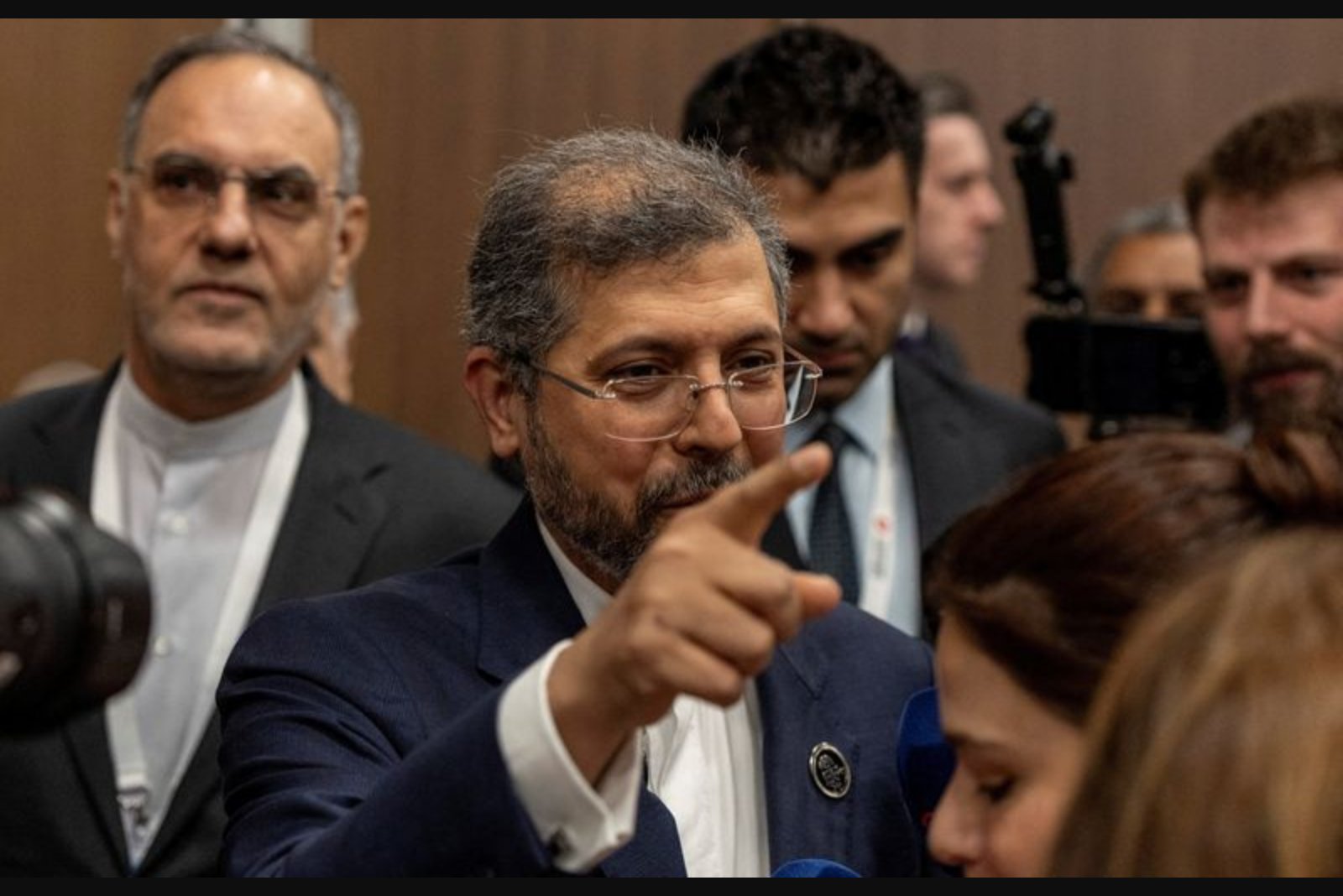
Iran has not scheduled another round of negotiations with the United States, its deputy foreign minister said on Saturday, stressing that both sides must first settle on a framework of understanding. The remarks came at a diplomacy forum in Antalya in southern Turkey.
The most senior talks between the two countries since the 1979 Islamic Revolution concluded in Islamabad last weekend without producing an agreement. U.S. President Donald Trump told Reuters he expected there would probably be further direct talks this weekend, although some diplomats said arranging another meeting in Islamabad was unlikely because of logistical challenges.
Saeed Khatibzadeh, Iran’s deputy foreign minister, told reporters that Tehran is focused on finalising a framework before committing to additional meetings. "We are now focusing on finalising the framework of understanding between two sides. We don’t want to enter into any negotiation or meeting which is doomed to fail and which can be a pretext for another round of escalation," he said.
Khatibzadeh indicated that while progress had been made during the recent sessions, differences remained. He blamed what he described as a "maximalist approach by the other side," which he said sought to single out Iran from international law. Regarding demands related to Iran’s nuclear programme, he said this stance prevented the parties from reaching an agreement.
"I have to be very crystal clear that Iran would not accept to be an exception from the international law. Anything that we are going to be committed will be within the international regulations and international law," Khatibzadeh said.
When questioned about media reports that Iran had again closed the Strait of Hormuz on Saturday after a temporary reopening, Khatibzadeh said Iran had announced it would permit the safe passage of commercial vessels consistent with the terms of a separate U.S.-brokered 10-day ceasefire between Israel and Lebanon that began on Thursday.
He accused the American side of seeking to "sabotage" that commitment by asserting the strait was open except to Iranian vessels. "So that was the reason we said that 'if you are going to violate the ceasefire terms and conditions, if Americans are not going to honour their words, there will be repercussions for them'," Khatibzadeh said.
Context and implications
The deputy foreign minister’s comments underscore that Tehran views the establishment of a clear, mutually accepted framework as a prerequisite for further high-level engagement. Until such a framework is in place, Iran says it cannot fix dates for future talks.
Diplomatic logistics and unresolved substantive differences mean a follow-up session in Islamabad is not assured despite public expectations of further contact.