
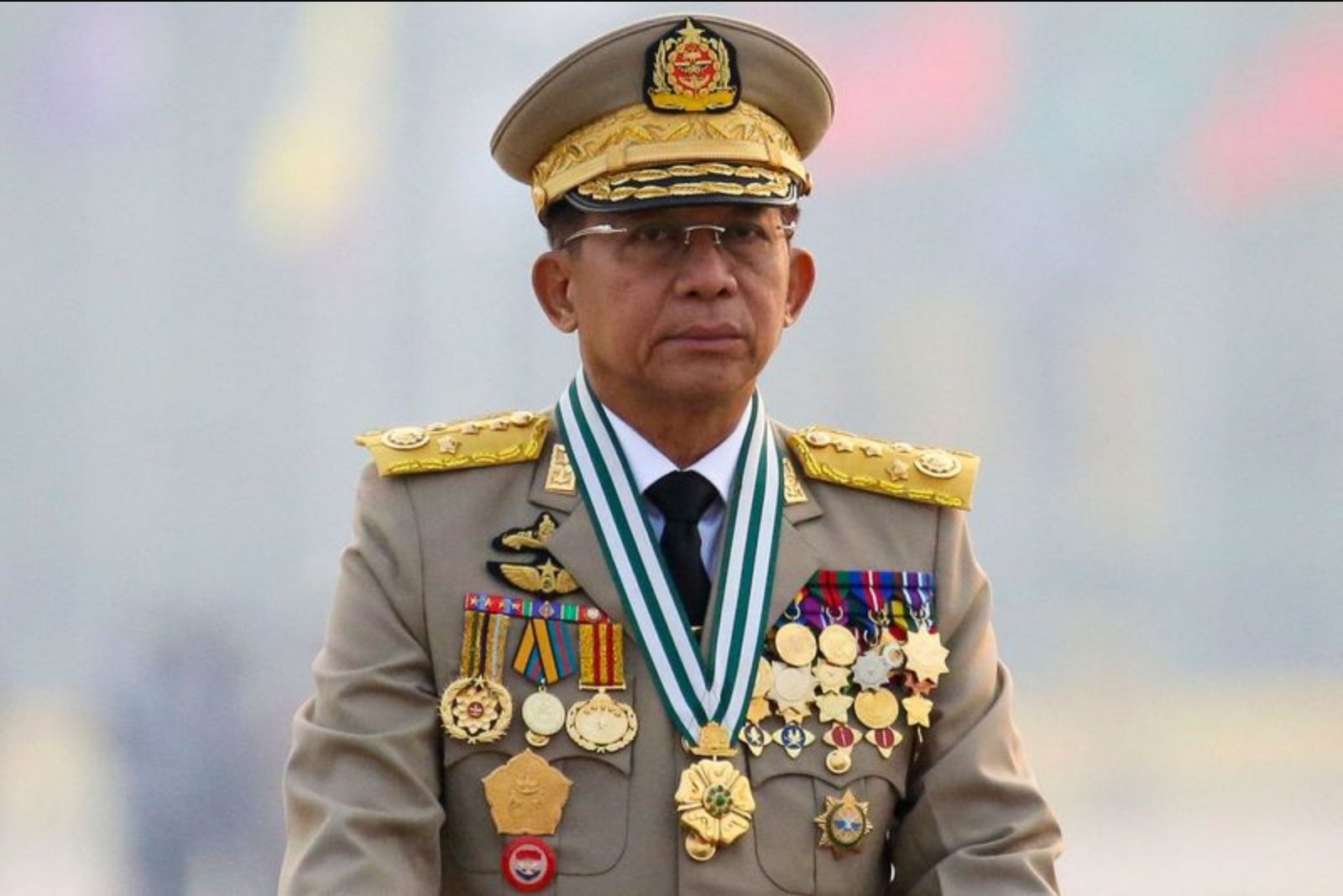
Myanmar’s new administration, led by the country’s former junta chief who assumed the presidency this month, has proposed unified peace talks with armed opposition groups that are not signatories to the Nationwide Ceasefire Agreement (NCA). State media reported the president said he wanted negotiations to take place within 100 days, with a final deadline for participation of July 31.
State-run outlets quoted the president as urging armed organizations that have not yet entered into dialogue to join the proposed discussions by the end of July. He explicitly named groups such as the Karen National Union, the Chin National Front, and the All Burma Students’ Democratic Front among those he invited to participate.
The president’s remarks referenced the NCA, the ceasefire framework that existed before the 2021 coup. He framed the outreach as an effort to bring non-signatory groups into the negotiation process under the timeframe he specified.
Representatives of at least two of the groups named rejected the government’s invitation on Tuesday. Saw Taw Nee, a spokesperson for the Karen National Union, said the KNU had already withdrawn from the NCA following the 2021 coup and confirmed the group has no intention of returning to negotiations or following the NCA route.
"The KNU has already withdrawn from the NCA since the 2021 coup. We have no plans to return to negotiations or follow the NCA path," the spokesperson said.
The Chin National Front also dismissed the proposal. CNF spokesman Salai Htet Ni said his organization seeks a federal democratic system free of military influence and characterized the current governing body as merely a different manifestation of the military.
"Since we are fighting a military-political battle for this, we have nothing to discuss with those who currently call themselves an 'administration' after merely changing their appearance from the military," the CNF spokesperson said.
Myanmar has endured ongoing unrest since the military removed the democratically elected government from power in the 2021 coup. The deposed leader, a Nobel Peace Prize laureate, was subsequently sentenced to 27 years in prison on charges her supporters say were politically motivated; authorities recently reduced that sentence by one-sixth.
Earlier this month, the national legislature elected the former junta commander as president following an election widely criticized by opponents and Western governments as unrepresentative and intended to entrench military control under a civilian facade. The newly constituted military-backed administration has been recognized by only a small number of countries.
Context limitations: The outreach and responses reported here reflect statements conveyed via state media and spokespeople. The account is limited to those statements and to the description of the coup, sentencing developments, and subsequent parliamentary election as presented by official and spokesperson comments.