
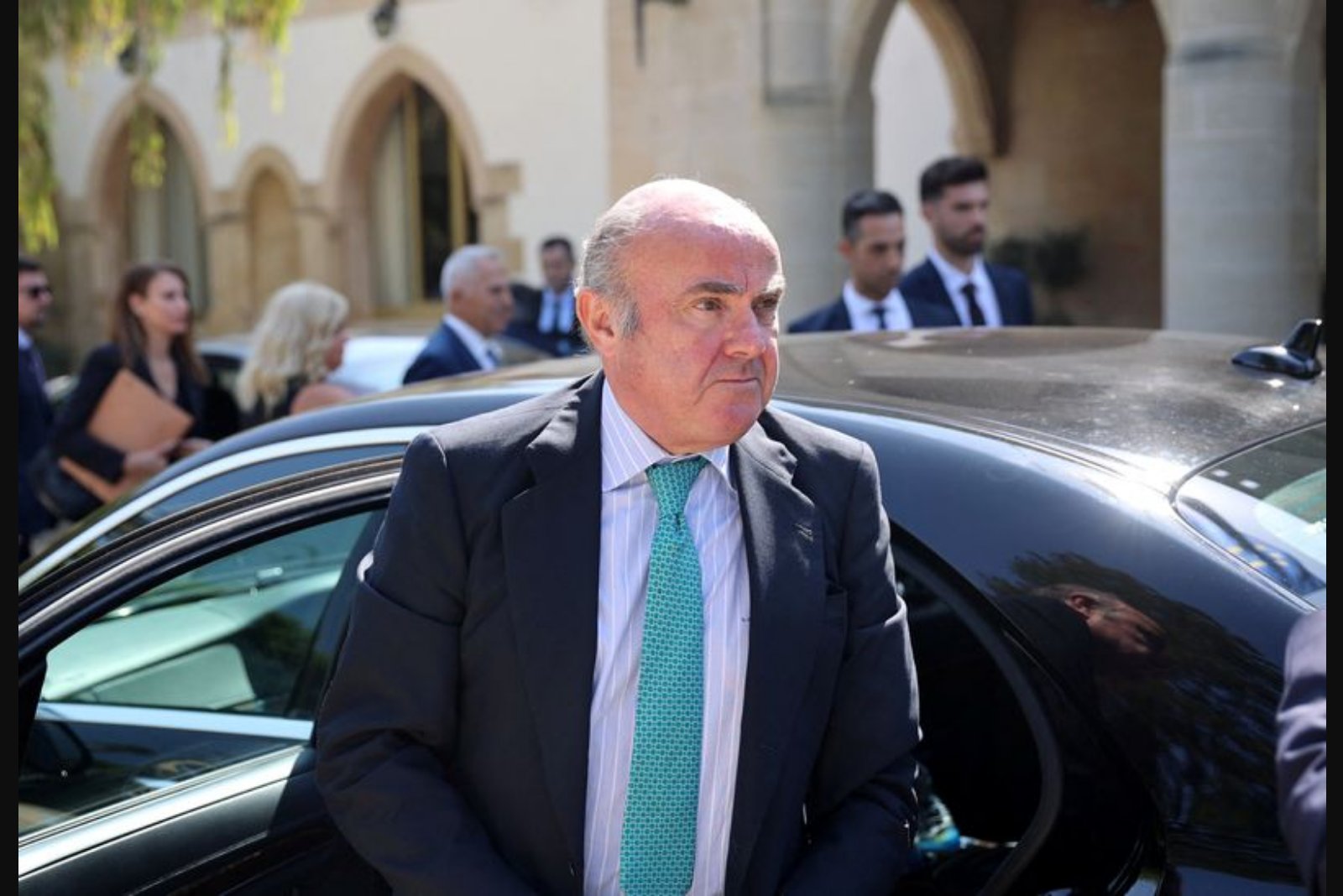
FRANKFURT, April 21 - European Central Bank Vice-President Luis de Guindos said on Tuesday that the ECB must exercise caution when deciding on interest rate policy given the heightened uncertainty stemming from the war in Iran.
With the ECB scheduled to meet next week, policymakers have signalled they lack sufficient evidence to justify a rate rise aimed at countering an energy-fuelled uptick in inflation. President Christine Lagarde and other officials have similarly indicated that the data do not yet support a tightening move. De Guindos echoed that position and stressed the need to monitor whether pricier oil and gas are transmitting into broader price increases.
"I believe we need to be cautious, keep a cool head and analyse the data in a context of tremendous uncertainty," de Guindos said at an event in Spain.
He said energy prices currently sit between the ECB's baseline projections, which envisage only a temporary rise in inflation, and a downside scenario where larger and more persistent spillovers push inflation higher. That middle position suggests policymakers are weighing competing forecasts as they assess near-term policy options.
In addition to the inflation outlook, de Guindos identified three specific threats to financial stability across the euro zone: elevated market valuations, loose fiscal policy in some member countries, and strains in private credit markets. He flagged these areas as vulnerabilities that warrant close attention from regulators and policymakers.
De Guindos is expected to present the final Financial Stability Review of his term on May 27. He will step down from the ECB's governing council at the end of that month.
The comments underline the ECB's current stance of data dependence amid geopolitical volatility and point to a cautious approach in the face of unclear inflation dynamics and several financial-stability risks.