
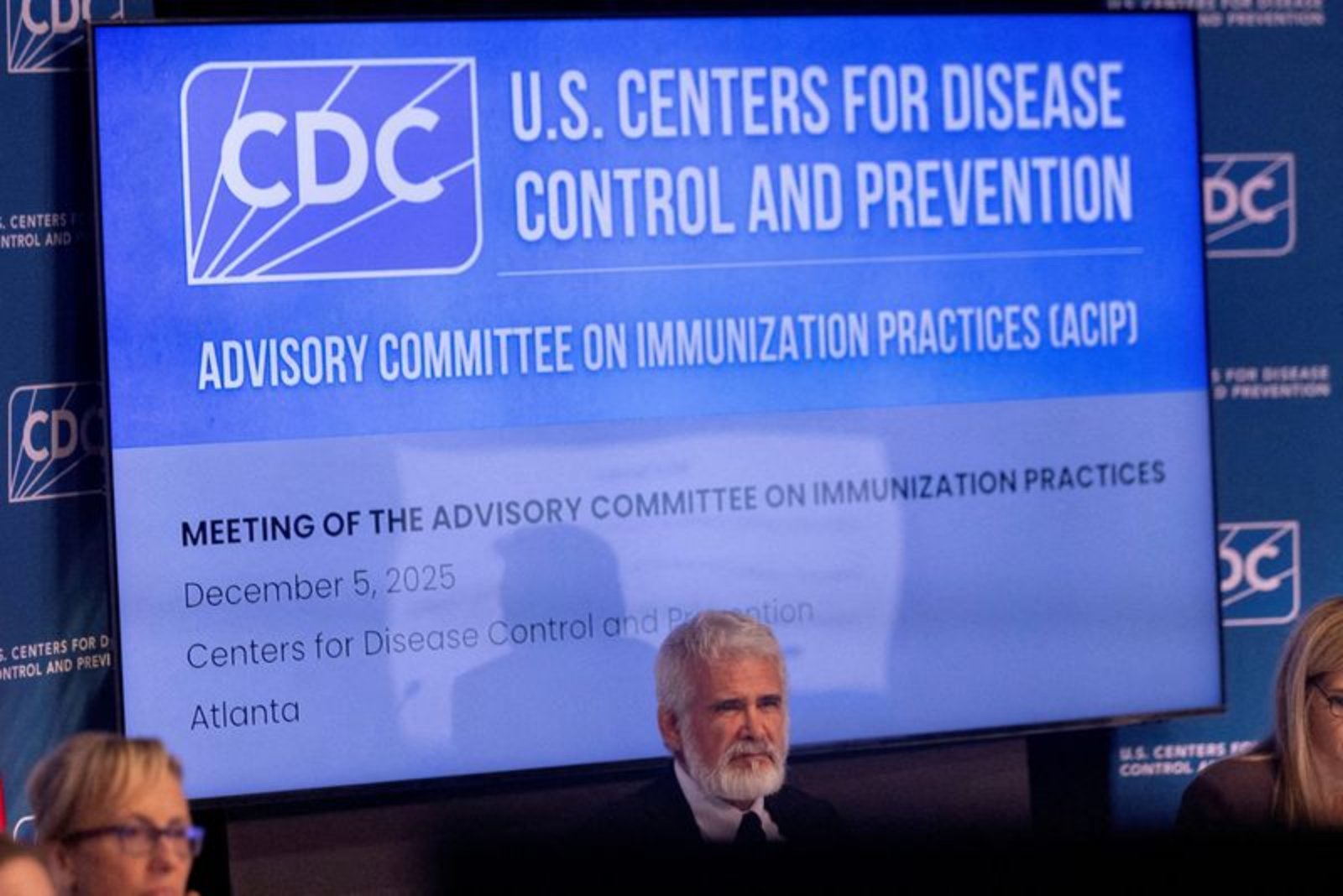
The recent federal court order that suspended the work of the Advisory Committee on Immunization Practices - the panel that advises the U.S. Centers for Disease Control and Prevention on vaccine use - has produced a period of uncertainty for several vaccines and potential policy changes. A U.S. District Judge in Boston determined that most members of a panel appointed last year by Health Secretary Robert F. Kennedy Jr. were not qualified, and he ordered that their votes be placed on hold. The ruling effectively reinstated the prior childhood immunization schedule that the Health Secretary and his allies had been attempting to alter.
With the judge's decision in place, the CDC is left without an active advisory body to weigh in on recommendations for new vaccines or for expanded uses of existing products. That absence has material consequences because ACIP recommendations are often central to insurer coverage decisions and to inclusion of vaccines in federal programs.
"It’s just uncharted territory," said Dr. Demetre Daskalakis, who until last year directed the CDC’s National Center for Immunization and Respiratory Diseases and left the agency in protest over attempts to change U.S. vaccine policies. The practical effect of the court order, health experts say, is to leave some licensed vaccines without the typical federal endorsement that can determine their uptake and payer coverage.
Dr. William Schaffner, an infectious disease specialist at Vanderbilt University and a long-time adviser to ACIP, noted that while newly licensed vaccines and expanded indications remain legal to prescribe, they may not be covered by insurers or automatically available through federal vaccine programs if ACIP does not issue formal recommendations.
It remains unclear whether the Health Secretary will seek to reconfigure the panel using the revised ACIP charter issued earlier this month, appeal the judge's decision, or pursue both options. The Department of Health and Human Services did not respond to requests for comment on the future of ACIP operations or on the status of pending vaccine recommendations.
Autumn COVID and Flu Shots in Question
The suspension of ACIP activity arrives as the committee would typically be preparing to review and update recommendations for seasonal influenza and COVID-19 vaccines at its June meeting. Seasonal flu vaccines have long carried a universal recommendation for everyone aged six months and older, and former CDC officials say that status may mean a new ACIP vote is not required for flu shots this year.
COVID vaccines present a different challenge. These products are modified annually to match circulating variants and have a shorter track record compared with seasonal influenza vaccines. Former CDC officials told colleagues that COVID vaccine recommendations may need fresh ACIP consideration, and absent explicit committee guidance, the coverage environment could become unsettled.
One former CDC vaccine official, who requested anonymity, observed that interpretations vary: "You could argue that it’s recommended because it’s on the (immunization) schedule, or that it’s not because the previous recommendations were for the 2025-26 vaccine." That ambiguity underscores the practical questions payers and providers face ahead of the next respiratory season.
The American Health Insurance Plans trade group has pledged to cover vaccines that had been recommended by the vaccine advisory panel as of September 1, 2025 through the end of 2026 - a period that precedes major proposed changes to the vaccine schedule. Separately, an insurance industry source said health plans will continue to evaluate emerging medical evidence and guidance from professional societies such as the American Academy of Pediatrics, the Infectious Diseases Society of America and the American College of Obstetricians and Gynecologists when determining coverage.
Specific Products and Pending Recommendations
The judge's stay also prompted questions about Merck's monoclonal antibody product Enflonsia, which the Kennedy-appointed ACIP had voted in June to recommend for preventing respiratory syncytial virus, or RSV, infection in infants. Merck stated the product was not a focus of the litigation. Claire Hannan, executive director of the Association of Immunization Managers, said she had not heard of changes to Enflonsia availability.
Several vaccines that have already earned Food and Drug Administration licensure remain awaiting ACIP recommendations. These include three RSV vaccines intended for adults aged 18 to 49 who are at increased risk of severe disease - Pfizer’s Abrysvo, Moderna’s mResvia and GSK’s Arexvy. At present, federal guidance recommends RSV vaccines only for adults aged 75 and older and for adults aged 50 to 74 who are at high risk of severe disease.
ACIP had planned to advise on whether adults 75 and older who previously received an RSV shot will require a second dose. That deliberation, like other agenda items, has been paused.
Other routine ACIP responsibilities have been placed on hold as well. A long-running review into whether fewer doses of the human papillomavirus vaccine could still provide adequate protection against cervical cancer is among the analyses that the committee typically oversees but that may now be derailed. "That’s the type of work the ACIP should be doing," said Dr. Jose Romero, a former ACIP chair.
The paralysis could also ripple forward to vaccines still pursuing FDA approval. ACIP’s updated charter directs the panel to review new vaccines at its first meeting after FDA licensure. If no functioning panel is in place, new products could reach the market without federal recommendations to guide clinician use and payer decisions.
That pipeline includes Moderna’s experimental mRNA-based influenza vaccine, a product that would be the first of its kind authorized for use in the United States if approved. An FDA decision on that application is currently expected by early August. The committee's inability to convene could leave clinicians and payers without ACIP guidance at a critical time.
Pfizer and Valneva’s candidate Lyme disease vaccine is another product that would require ACIP guidance if it wins authorization. The vaccine did not meet its primary trial goal but demonstrated roughly 70 percent efficacy in a late-stage study, and Pfizer has indicated plans to seek FDA authorization. Michael Osterholm, an infectious disease expert at the University of Minnesota, framed the commercial uncertainty plainly: "If the vaccine is not fully recommended and it’s a newer vaccine, will the payers pay? We don’t have any guarantee of that."
The court-ordered suspension of ACIP votes has created procedural and coverage gaps at a moment when multiple respiratory and other vaccine decisions were expected. How the Health Department and the courts resolve the status of the panel and whether ACIP can resume its traditional role in vaccine policy will determine whether recommended schedules and insurer coverage align in time for the coming seasons.