
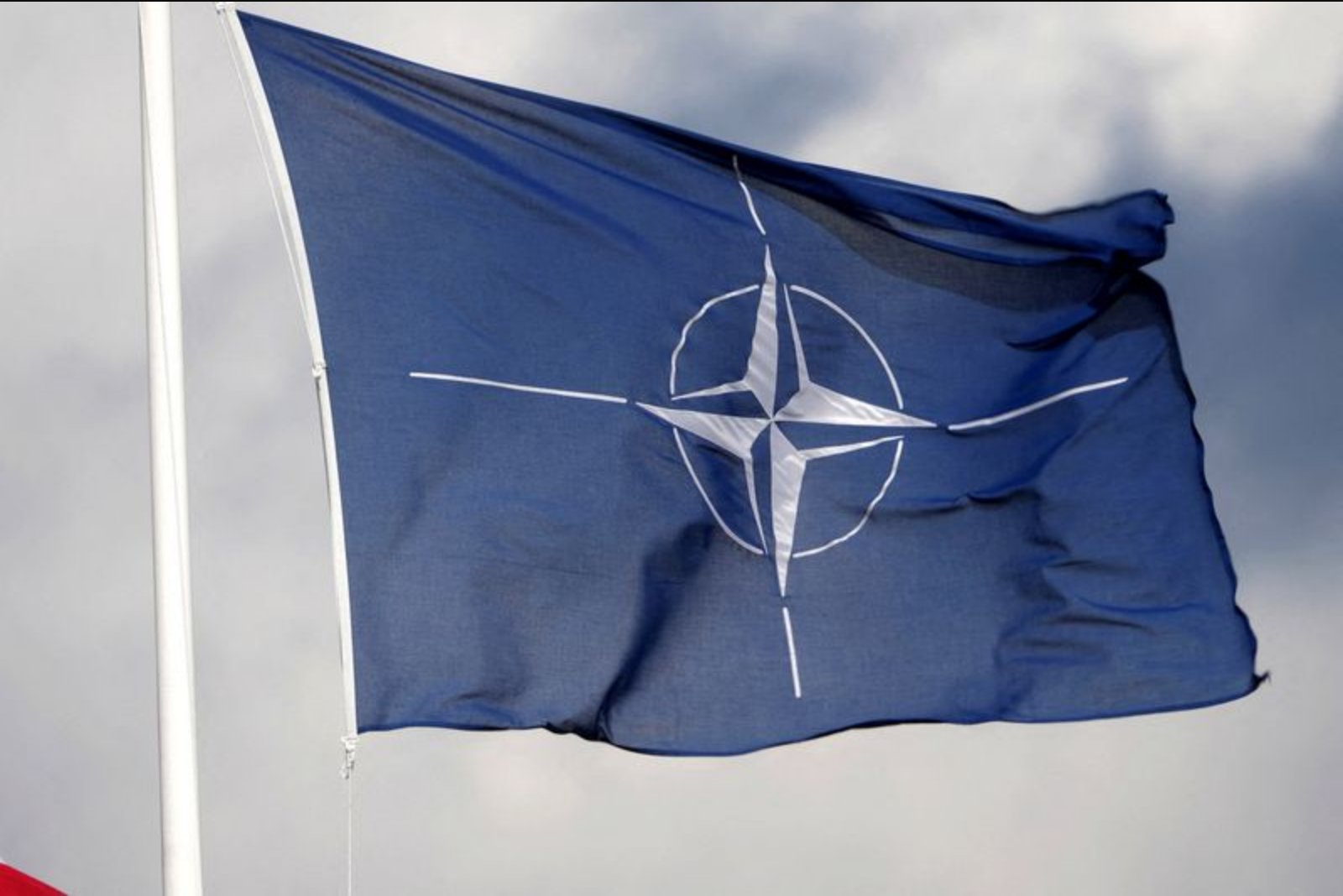
NATO's North Atlantic Council on Tuesday issued a pointed statement condemning aspects of Russian and Chinese nuclear policies and urging both countries to work with the United States to improve transparency and strategic stability at a forthcoming review conference of the Treaty on the Non-Proliferation of Nuclear Weapons (NPT).
The alliance, comprising 32 members, reaffirmed its "strong commitment to the full implementation" of the NPT, the treaty that has formed the backbone of global arms control since it entered into force in 1970. The statement was released in advance of a conference due to begin next week at the United Nations in New York, which will review the operation of the treaty against a backdrop of mounting geopolitical tensions, including Russia's war against Ukraine and the U.S.-Israeli war against Iran.
In its formal remarks, NATO criticised what it described as Moscow's breach of important arms control commitments and the use of what the alliance called "irresponsibly threatening nuclear rhetoric." The statement also accused China of pursuing a rapid expansion and diversification of its nuclear arsenal without sufficient transparency.
NATO added that its members "strongly encourage the United States' pursuit of multilateral strategic stability," signalling support for U.S. efforts to build broader, multilateral frameworks for reducing nuclear risks.
Highlighting specific concerns, NATO Assistant Secretary General Boris Ruge, in an interview with Reuters, pointed to Russia's employment of the Oreshnik intermediate-range ballistic missile - described as nuclear-capable - which he said had been used twice so far in Ukraine. He characterised that conduct as an example of what he called irresponsible "nuclear signalling" from Moscow.
Ruge observed: "Today, we face a Russia that has dropped out of all the important arms control agreements, that has been... developing all sorts of... nuclear delivery systems, and that is engaged in the largest war in Europe since 1945."
Russia, for its part, said in February that it would remain a responsible nuclear power following the expiry of the New START treaty, which had imposed limits on U.S. and Russian missiles, launchers and strategic warheads. The Russian government has also criticised plans by France, a NATO member, to expand its nuclear arsenal, calling that move "highly destabilising" and a potential threat to Moscow.
Responding to that criticism, Ruge defended France's decision, describing it as a "measured, reasonable, and transparent response to the threats that we face." He emphasised NATO's defensive posture: "We're a defensive alliance. We don't brandish our nuclear weapons. We don't engage in irresponsible nuclear rhetoric, which we hear on a very regular basis from Mr. Putin," he said.
China has dismissed Western criticism of the opacity of its nuclear buildup. A Chinese foreign ministry spokesperson, ahead of the conference, stated: "China always keeps its nuclear strength at the minimum level required by national security and will never participate in a nuclear arms race."
The precise numbers of nuclear warheads held by states are not public, but the Federation of American Scientists estimates the size of arsenals as follows: Russia about 4,400 warheads, the United States about 3,700, China about 620, France about 290 and Britain about 225. Other states that possess nuclear weapons include India, Pakistan and North Korea, while Israel is widely believed to have an arsenal but has not publicly confirmed or denied that.
NATO said it hoped the upcoming NPT review conference would culminate in a document agreed to by all parties to the treaty, with a focus on transparency, risk reduction and strategic stability. The treaty has been signed by roughly 190 countries.
However, NATO officials acknowledged a realistic prospect that no consensus might be reached. The alliance noted that the previous two reviews, in 2015 and 2022, did not result in a common statement on outcomes and next steps. As Ruge put it, "Even if we were unable to agree on the document, that - in our view - would not call into question the importance and the validity of the NPT itself."
The review will take place amid heightened international tension and divergent national positions on nuclear posture and transparency. NATO's public remarks and the comments of its assistant secretary general have signalled that the alliance plans to press for renewed commitments to arms control norms while encouraging broader involvement by the United States in multilateral stability efforts.