
World April 21, 2026 08:49 AM

Lula Signals Possible Reciprocity After U.S. Expels Brazilian Federal Police Attache

Brazilian president warns of reciprocal measures if U.S. authorities abused power in detention that involved a former lawmaker

By Priya Menon
Lula Signals Possible Reciprocity After U.S. Expels Brazilian Federal Police Attache

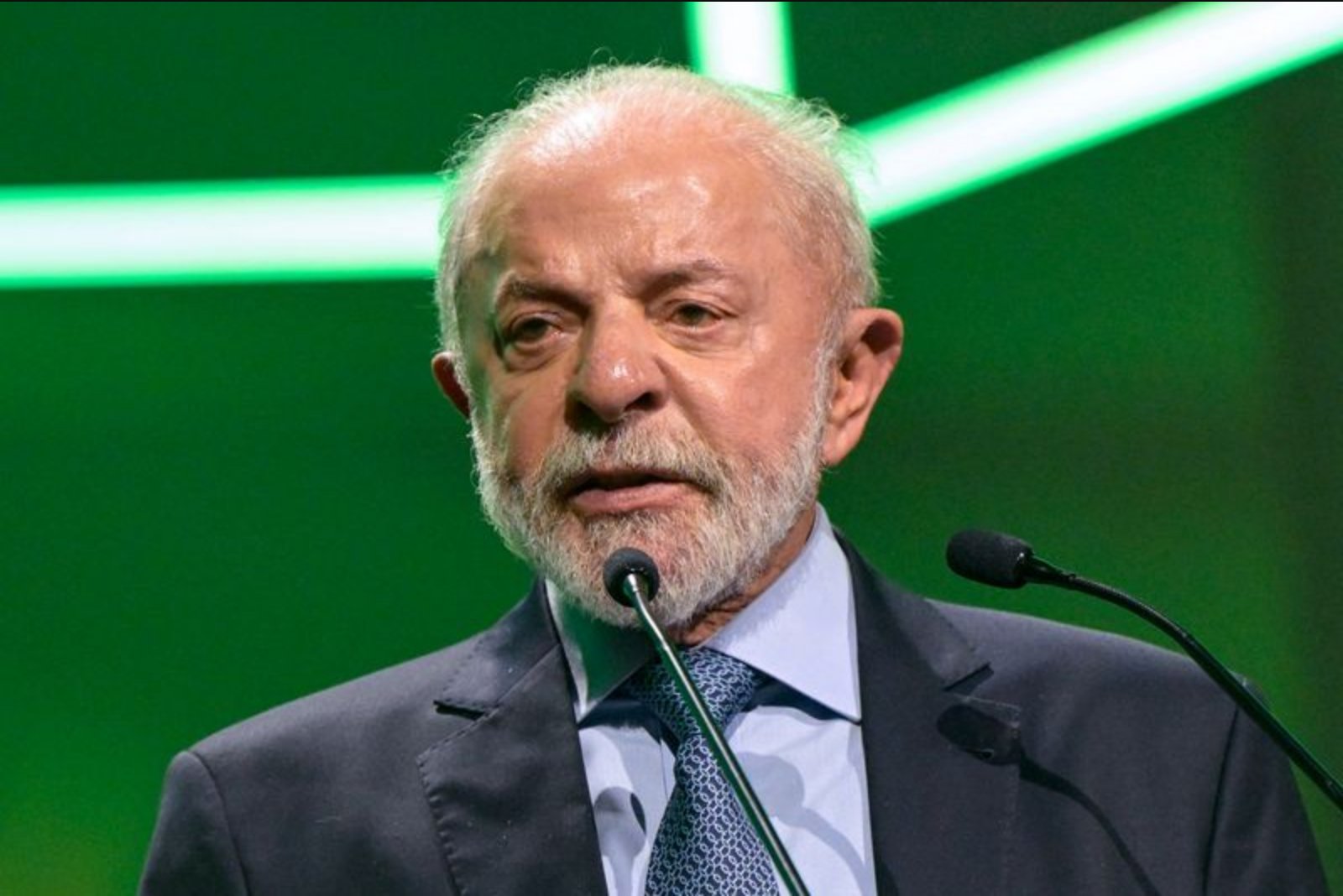
Brazilian President Luiz Inacio Lula da Silva said his government could respond in kind after the United States moved to expel a Brazilian federal police attache. Speaking to reporters in Hannover, Germany, Lula said he did not know all the details but promised reciprocity if U.S. actions amounted to abuse. The U.S. government announced on social media that it would expel a Brazilian official linked to the detention of former lawmaker Alexandre Ramagem by U.S. immigration authorities; the U.S. embassy in Brasilia later identified the official as Marcelo Ivo de Carvalho, the attache in Miami who liaised with ICE. Ramagem was briefly detained and released; he had fled Brazil in September after his conviction for plotting a coup with former President Jair Bolsonaro.

Key Points

  • President Lula said Brazil could reciprocate after the U.S. expelled a Brazilian federal police attache, citing potential abuse by U.S. authorities.
  • The U.S. government announced the expulsion on X of an official allegedly involved in the arrest of former lawmaker Alexandre Ramagem; the U.S. embassy in Brasilia later identified the official as Marcelo Ivo de Carvalho, the attache in Miami and liaison with ICE.
  • Ramagem was briefly detained and released by U.S. immigration police; he fled Brazil in September after being convicted for plotting a coup with former President Jair Bolsonaro.

Brazil may reciprocate after the United States expelled a Brazilian federal police attache, President Luiz Inacio Lula da Silva said on Tuesday. Speaking to reporters in Hannover, Germany, Lula said he did not yet know all the facts but that Brazil would respond if there had been an abuse by U.S. authorities in the incident involving the Brazilian official.

"We cannot accept this interference and abuse of authority that some Americans want to exert over Brazil," Lula told reporters. The U.S. embassy in Brasilia was not immediately available to comment on the matter.


The U.S. government on Monday announced in a post on X that it would expel a Brazilian official allegedly connected to the arrest of former Brazilian federal lawmaker Alexandre Ramagem by U.S. immigration police last week. The initial post did not identify the individual by name.

Subsequently, the U.S. embassy in Brasilia confirmed to Reuters that the official named in the announcement was Marcelo Ivo de Carvalho. Carvalho serves as the Brazilian federal police attache in Miami and acted as the Brazilian government's liaison with the U.S. immigration agency ICE.

Ramagem was detained briefly by U.S. immigration authorities and was later released. He had left Brazil in September after being convicted for plotting a coup with former President Jair Bolsonaro.


In his remarks from Hannover, Lula stressed that Brazil could act in kind if U.S. authorities had overstepped. He said he did not know the full particulars of the case at the time of speaking but framed the potential response as a defense against what he described as interference and abuse of authority.

The situation centers on a Brazilian law enforcement official who maintained a liaison role with U.S. immigration authorities and on the brief detention of a former Brazilian lawmaker who had fled the country following his conviction. Details remain limited in public statements, with Lula acknowledging gaps in his own information while warning of possible reciprocal diplomatic measures.

The development highlights a point of friction between the two countries tied to immigration enforcement and the role of liaison officials. How far either government will go in terms of formal diplomatic actions or further public statements has not been disclosed.

Risks

  • Reciprocal diplomatic measures could escalate tensions between Brazil and the United States - this impacts government-to-government relations and coordination on law enforcement matters.
  • Incomplete public information and Lula's admission of not knowing all details introduce uncertainty about the facts underpinning any response - this uncertainty affects diplomatic communications and public perception.
  • The removal of a liaison figure between Brazil and U.S. immigration authorities could hinder cooperation on immigration enforcement and related operational exchanges.

More from World

Carney forms expanded Canada-U.S. economic advisory committee ahead of USMCA review Apr 21, 2026 Niger and Mali Accuse Neighbours of Backing Terrorism While Saying Some ECOWAS Cooperation Is Possible Apr 21, 2026 Two Palestinians Killed in West Bank Village as Settler Violence and Military Operations Escalate Apr 21, 2026 Indonesian rights agencies document widespread abuses during 2025 protests Apr 21, 2026 NATO Rebukes Russian and Chinese Nuclear Policies, Presses for U.S.-Led Transparency at NPT Review Apr 21, 2026