
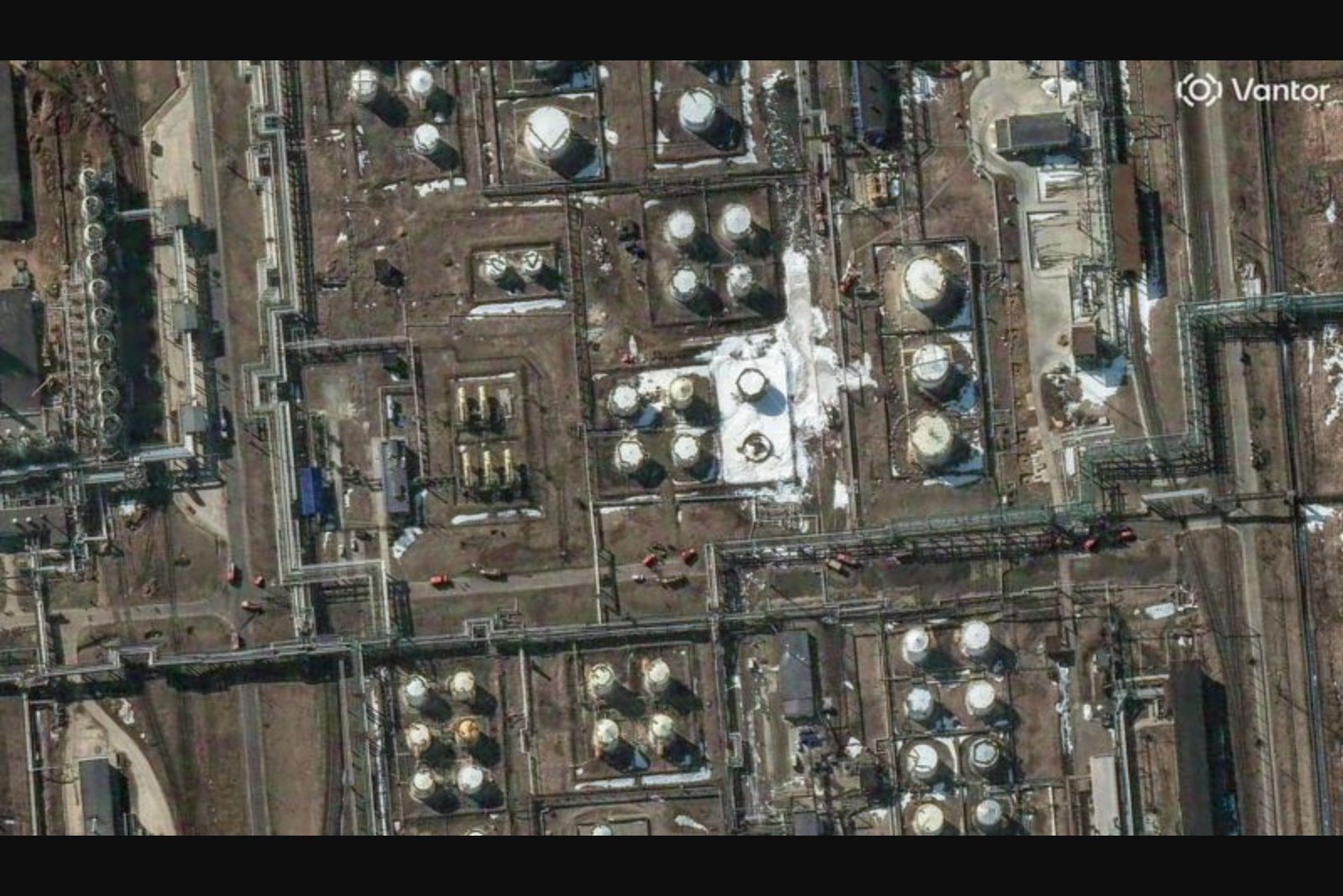
Russia experienced a material fall in oil production in April as Ukrainian drone strikes on export ports and refineries, together with an interruption to crude deliveries via the last operational pipeline to Europe, constrained output, according to five anonymous sources and calculations based on available data. The reduction could be among the largest monthly decreases since the COVID crisis, with sources estimating a cut of about 300,000 to 400,000 barrels per day (bpd) versus the average production recorded in the first months of the year.
Crude for export is largely produced in the Western Siberian basin, and oil revenues underpin a sizeable share of Russia's $3 trillion economy. A decline in pumped volumes therefore directly reduces income for the world's second-largest oil exporter, although higher global prices may offset some fiscal impact. Finance Minister Anton Siluanov said last Thursday that elevated prices would help lower the budget deficit.
One source, speaking on condition of anonymity because of the sensitivity of the issue, highlighted the difficulty of selling oil amid persistent attacks on ports and refineries and noted that spring maintenance shutdowns would add to pressure on placements. The source said: "Against the backdrop of ongoing attacks on Russia's ports and refineries, it will be difficult to place oil without cutting output, especially with upcoming spring maintenance shutdowns."
Russia classified its oil production data shortly after the conflict in Ukraine began in 2022, citing national security concerns. The energy ministry declined to comment on the April output changes.
In addition to the 300,000-400,000 bpd estimate relative to early-year averages, the same sources and calculations indicate the April decline measures between 500,000 bpd and 600,000 bpd when compared with Russian production levels in late 2025. The figures suggest a sharp month-on-month contraction, though a single monthly drop does not automatically imply a fall in annual production.
Ukraine has intensified attacks on critical Russian energy infrastructure in an effort to erode the revenue base that supports the Russian war economy. The infrastructure targeted generates roughly a quarter of Russian budget revenue, according to the reporting contained in the underlying data. In recent weeks drones have struck the Baltic Sea ports of Ust-Luga and Primorsk and the Black Sea port of Novorossiysk, which serve as major western export gateways. Refineries have also been hit, triggering significant fires.
Over the weekend, Ukrainian forces also struck the Baltic Sea port of Vysotsk. The air campaign has been persistent: Russian state RIA Novosti reported that Russia intercepted 11,211 Ukrainian drones in March, a number described as almost double that of February.
Compounding export disruptions, flows through the Druzhba pipeline to Hungary and Slovakia - which transit Ukrainian territory - have remained suspended following attacks on pipeline infrastructure at the end of January. That stoppage has further narrowed avenues for moving crude to European buyers.
International assessments have begun to reflect the ongoing operational strain. The Paris-based International Energy Agency (IEA) revised down its projection for Russia's oil supply by 120,000 bpd for the remainder of the year, citing continued attacks on refineries and port infrastructure. The IEA noted Russia may find it difficult in the near term to boost production above the early first-quarter levels because of the damage to port and energy facilities.
The IEA's data show Russian crude production rose in March to 8.96 million bpd from 8.67 million bpd in February. By contrast, the Organization of the Petroleum Exporting Countries (OPEC) estimated Russian output in March to be steady at 9.167 million bpd.
Market participants and policymakers are watching whether the operational constraints in April will persist and translate into longer-term production declines. For now, the immediate effect is a squeeze on export capacity and state receipts, moderated to some extent by elevated oil prices that, according to government statements, help to reduce the budget shortfall.
Summary
Russian oil output fell sharply in April amid Ukrainian drone strikes on ports and refineries and a halt to crude flows through the remaining pipeline to Europe. Sources and calculations estimate the reduction at roughly 300,000-400,000 bpd versus early-2026 averages and 500,000-600,000 bpd relative to late-2025 levels. The decline hits export capacity and state revenue, though higher global prices provide some budgetary relief.
Key points
- April output likely declined by about 300,000-400,000 bpd from early-year averages and by 500,000-600,000 bpd from late-2025 levels, based on multiple anonymous sources and calculations.
- Ukrainian drone strikes have repeatedly targeted major Baltic and Black Sea export hubs - including Ust-Luga, Primorsk, Novorossiysk and Vysotsk - and refineries, creating significant fires and disruption to exports.
- The IEA has lowered its Russia supply outlook by 120,000 bpd for the rest of the year, and official figures show March production of 8.96 million bpd (IEA) versus an OPEC estimate of 9.167 million bpd for March.
Risks and uncertainties
- Continued attacks on ports and refineries could prolong export constraints and further reduce state oil revenue - impacting the energy sector and government budgets.
- Pipeline shutdowns such as the Druzhba interruption to Hungary and Slovakia limit export routes and increase logistical strain on crude shipments, affecting downstream markets and trading flows.
- Damage to port and energy infrastructure may prevent production from rising above early-quarter levels in the near term, creating uncertainty for oil supply and global market balances.