
Commodities April 21, 2026 08:42 AM

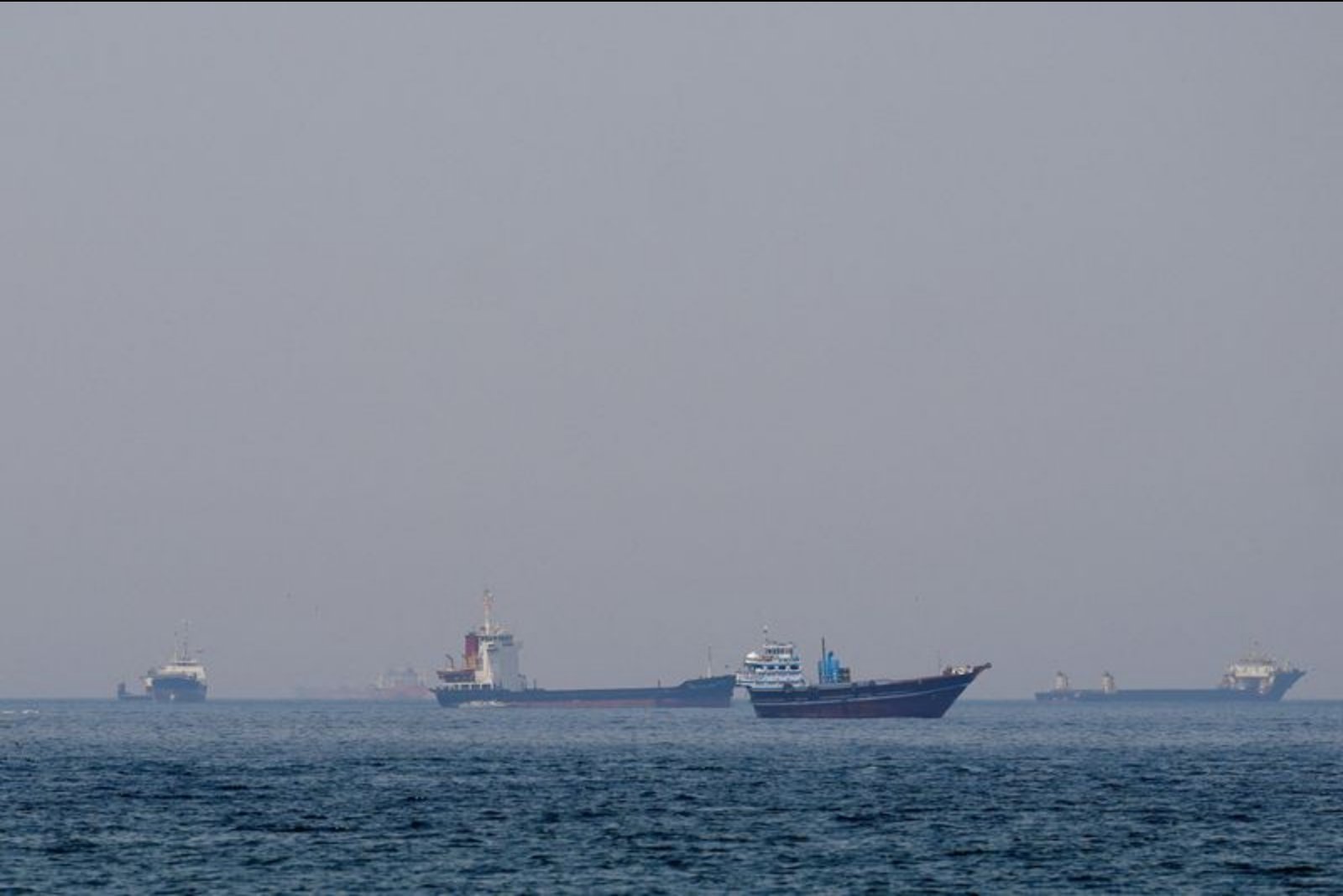
Transit through Strait of Hormuz remains largely suspended as only three vessels pass

A U.S. blockade of Iranian ports and Tehran's retaliatory restrictions leave a critical maritime chokepoint operating well below normal levels

By Sofia Navarro
Transit through Strait of Hormuz remains largely suspended as only three vessels pass

Shipping through the Strait of Hormuz was largely suspended on Tuesday, with just three ships recorded transiting in the preceding 24 hours, shipping trackers and satellite analysts said. The disruption follows a U.S. blockade of Iranian ports and Iran's imposition of its own restrictions on the strait, which ordinarily handles about one-fifth of global oil and liquefied natural gas flows. Tensions between Washington and Tehran intensified after the U.S. seized an Iranian vessel, prompting vows of retaliation and Iran's refusal to engage in new talks.

Key Points

  • Only three ships transited the Strait of Hormuz in the 24 hours to Tuesday, according to shipping data and satellite analysis - impacting global seaborne flows.
  • A U.S. blockade of Iranian ports has provoked Iran to enforce its own restrictions on the strait, which previously handled about one-fifth of global oil and LNG shipments.
  • Tensions rose after the U.S. seized an Iranian vessel; Iran vowed retaliation and declined to participate in new peace talks, putting the ceasefire prospects in doubt.

LONDON, April 21 - Commercial traffic through the Strait of Hormuz remained effectively stalled on Tuesday, with shipping data showing only three vessels passed the waterway in the previous 24 hours.

The reduced movement follows a U.S. blockade of Iranian ports that has angered Tehran, prompting Iranian authorities to sustain restrictions on navigation through the strait. That waterway typically handled roughly one-fifth of the world's oil and liquefied natural gas supply before the current disruptions.

Ship tracking information on the MarineTraffic platform showed the Ean Spir, a products tanker, transited the strait on Tuesday after a previous call at an Iraqi port. The Lianstar, a cargo ship, was also recorded sailing through the strait from an Iranian port, according to the same tracking data.

Satellite analysis from data analytics specialists SynMax indicated that the Meda, a liquefied petroleum gas tanker, successfully crossed the strait on Monday on its second attempt to leave the Gulf after having turned back on an earlier departure attempt.

Those three transits represent a small fraction of the roughly 140 ships that used to pass through the strait on an average day before the outbreak of war between the U.S. and Israel on Iran on February 28.

There was a brief resurgence in traffic after Iran momentarily declared the passage open on Friday, when more than a dozen tankers moved through the strait. However, that respite appeared short-lived.

On Tuesday, prospects for a lasting ceasefire between the U.S. and Iran looked uncertain after Iran vowed to retaliate for the U.S. seizure of one of its vessels and indicated it would not participate in newly proposed peace talks.

Iran's army reported that an Iranian tanker entered its territorial waters from the Arabian Sea on Monday, aided by the Iranian Navy, despite what the army described as repeated warnings and threats from the U.S. naval task force operating in the area.


Context limits

The information in this report is based on ship tracking platforms and satellite analysis cited by maritime data providers and statements attributed to Iran's military. Where specific timing is provided, it reflects the relative days identified in those sources.

Risks

  • Sustained restrictions and retaliatory actions could further curtail shipments through the strait, posing risks to energy supply chains and shipping-dependent trade.
  • Escalating tensions between the U.S. and Iran, including vessel seizures and naval confrontations, increase the uncertainty for maritime insurance and shipping operations.
  • Intermittent openings followed by renewed closures create volatile conditions for tanker routing and scheduling, affecting sectors tied to oil, LNG and global freight.

More from Commodities

Federal Judge Halts Enforcement of Permitting Policies Said to Hamper Wind and Solar Projects Apr 21, 2026 European Natural Gas Rises as Future of U.S.-Iran Ceasefire Talks Remains Unclear Apr 21, 2026 IEA Head: Iran-U.S.-Israel Conflict Has Sparked Largest Energy Crisis on Record Apr 21, 2026 Trump Says He Opposes Extending Ceasefire With Iran, Warns Military Is Ready Apr 21, 2026 EU Readies Guidance on Jet Fuel Shortages, Pushes Cleaner Fuels as Hormuz Tensions Escalate Apr 21, 2026