
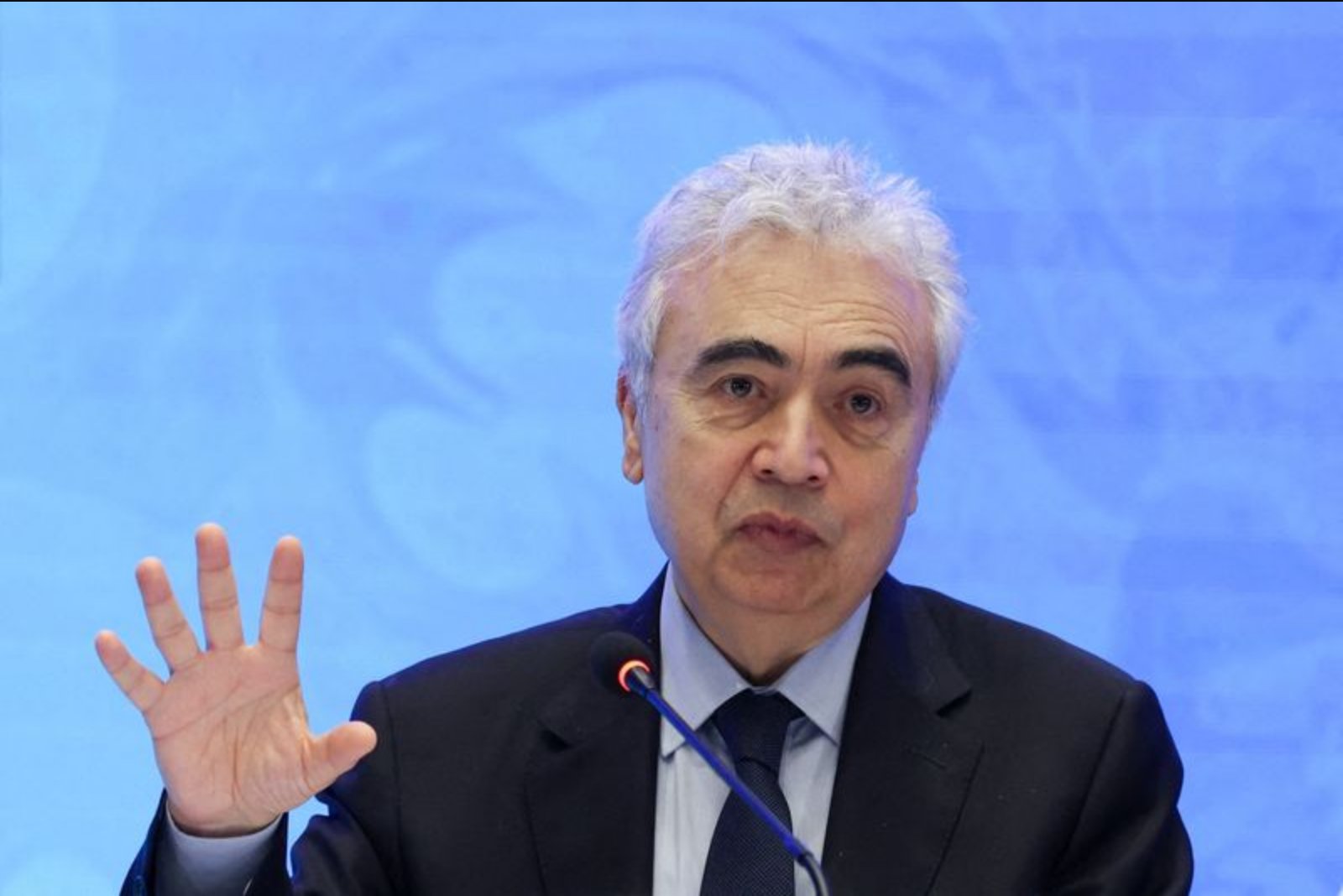
PARIS, April 21 - The head of the International Energy Agency characterized the current confrontation involving Iran, the United States and Israel as the most severe energy crisis the world has ever faced.
"This is indeed the biggest crisis in history," the IEA director said in an interview broadcast on France Inter radio on Tuesday. He added that the situation is already substantial when the petrol-related disruption is combined with the gas-related effects tied to Russia.
The conflict has constrained maritime traffic through the Strait of Hormuz, a critical channel responsible for roughly one-fifth of global crude oil and liquefied natural gas shipments. That shipping congestion has occurred at the same time Europe remains affected by the cessation of Russian gas deliveries linked to Russia's war with Ukraine.
Earlier in April, the IEA chief had assessed the present condition of global energy markets as more severe than the combined impact of the 1973, 1979 and 2022 crises. As part of the response to rapidly rising oil prices connected with the U.S.-Israeli war with Iran, the IEA in March agreed to release a record 400 million barrels of oil from strategic stockpiles.
The director's remarks underline the simultaneous pressure points in both oil and gas segments of the market - the former driven by constrained tanker movements through a key chokepoint, and the latter exacerbated by previously interrupted Russian gas flows to Europe. Those dual strains are central to the IEA's assessment of the current market emergency.
The emergency release of strategic oil reserves was framed by the agency as a direct action to counteract the price pressures that emerged amid the conflict. The IEA's description emphasizes the scale and simultaneity of shocks affecting supply channels and market functioning.
Given the agency's characterization, the energy outlook remains closely tied to developments in maritime transit through the Strait of Hormuz and the status of existing disruptions to European gas supplies. The IEA's statements reflect the convergence of these factors in producing what it calls the largest energy crisis in history.