
The recent spike in jet fuel prices amid the U.S.-Israeli war on Iran has forced airlines around the world to take rapid, often stark actions to protect cash flow and margins. With jet fuel rising from about $85-$90 per barrel to a range of $150-$200 per barrel in recent weeks, the cost shock has hit an industry where fuel can represent as much as a quarter of operating expenses.
This report catalogs how individual carriers are reacting, arranged alphabetically by carrier name, and preserves the precise measures announced or reported. The responses include ticket price increases, the imposition or adjustment of fuel surcharges, reductions in capacity including cancelled or combined flights, requests for emergency funds, suspension or withdrawal of profit guidance, and other steps to preserve liquidity.
AEGEAN AIRLINES - The Greek carrier expects that suspended flights to and over the Middle East and an accompanying surge in fuel costs will have a "notable impact" on its first-quarter results.
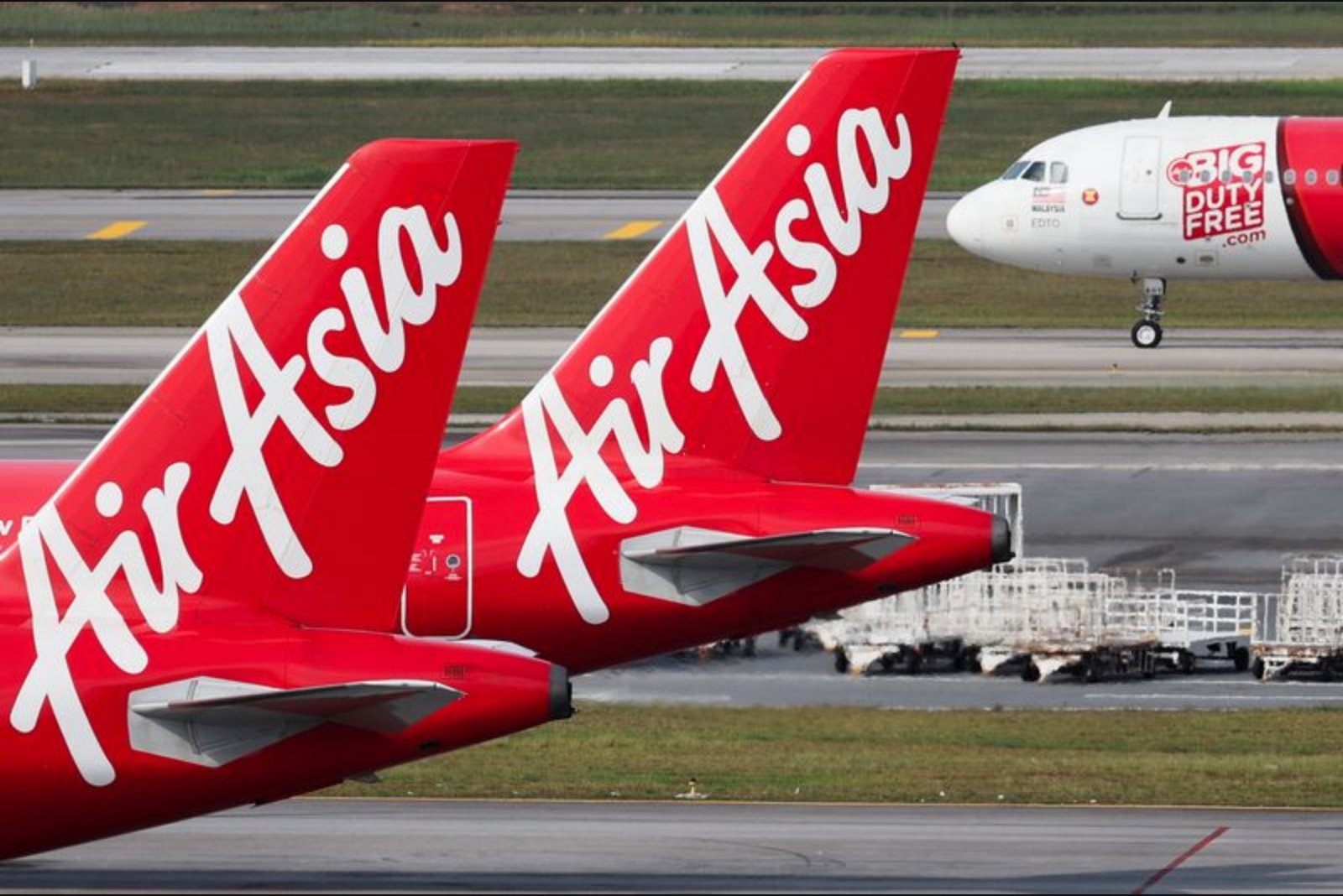
AIRASIA X - Executives at the Malaysian group said they had cut about 10% of flights across the group. The company also implemented a general fuel surcharge of roughly 20%.
AIR CANADA - Canada’s largest airline plans a reduction of its New York service, trimming four of 38 daily flights to John F. Kennedy International Airport. Those four flights are scheduled to be cut from June 1 to October 25, 2026, as a direct response to higher jet fuel costs.
AIR FRANCE-KLM - The group announced plans to raise long-haul fares, setting cabin ticket increases at 50 euros per round trip to address rising fuel costs. KLM, the group’s Dutch arm, stated on April 16 that it would cancel 160 intra-European flights in the coming month, citing higher fuel costs.
AIR INDIA - Air India said it would move from a flat domestic fuel surcharge to a distance-based grid. The carrier noted that surcharges on its international routes were not adequate to offset the exponential rise in fuel prices.
AIR NEW ZEALAND - The airline announced on April 7 that it would reduce flights through May and June and raise ticket prices. It was among the first carriers to roll out broad ticket-price increases when the conflict began. The airline also suspended its full-year earnings forecast, citing volatility in fuel markets.
AKASA AIR - India’s Akasa Air said it would introduce a fuel surcharge ranging from 199 to 1,300 Indian rupees (about $2 to $14) on domestic and international services.
ALASKA AIR - The carrier withdrew its full-year profit forecast as sharp jet fuel inflation put pressure on profit margins.
AMERICAN AIRLINES - The U.S. carrier announced increases to checked baggage fees on domestic and short-haul international flights: an added $10 for each of the first and second checked bags and $150 for the third checked bag. American also said it trimmed some benefits for economy-class passengers.
ASIANA AIRLINES - Newsis reported that the South Korean airline would cut 22 flights scheduled between April and July because of the higher fuel bill.
CATHAY PACIFIC - The Hong Kong-based airline group is aiming to raise approximately HK$2 billion (about $255 million) through a one- or two-tranche fixed-rate Hong Kong dollar bond, according to two sources with direct knowledge.
CEBU AIR - The Philippines-based carrier said the sharp rise in fuel prices was a principal concern and that it would continue to review pricing and network strategies to mitigate the impact.
CHINA EASTERN AIRLINES - The airline said it raised fuel surcharges for domestic flights effective April 5: routes of 800 km and below will carry a 60 yuan surcharge (about $9) while flights over 800 km will see a 120 yuan surcharge.
DELTA AIR LINES - Delta indicated it would reduce planned capacity by around 3.5 percentage points from its original plan for the quarter. It also said it would raise fees for checked bags - an additional $10 on the first and second checked bags and a $50 increase on the third - as part of efforts to offset surging jet fuel costs. The airline pulled all planned capacity growth for the current quarter and forecasted profit below Wall Street expectations.
EASYJET - EasyJet warned of a larger half-year pre-tax loss, forecasting a loss in the range of 540 million to 560 million pounds. The company said that included an extra 25 million pounds in fuel costs in March alone.
FRONTIER AIRLINES - The U.S. low-cost carrier said it is reviewing its full-year forecast in light of significant increases in fuel prices since the outlook was issued.
GREATER BAY AIRLINES - The Hong Kong-based operator said it would raise fuel surcharges on most routes from April 1 while leaving surcharges unchanged on routes to mainland China and Japan.
HONG KONG AIRLINES - The carrier stated it would raise fuel surcharges by up to 35% from March 12. The sharpest increases apply to flights between Hong Kong and the Maldives, Bangladesh and Nepal, where charges will rise to HK$384 from HK$284.
IAG - IAG, the owner of British Airways, said in March that it did not intend to raise ticket prices immediately because it had hedged much of its fuel exposure for the short- to medium-term.
INDIGO - India’s largest carrier said it would introduce fuel charges on domestic and international services from March 14. The charge was set at 900 rupees for flights to the Middle East and 2,300 rupees for flights to Europe.
JETBLUE AIRWAYS - In a memo seen by Reuters, JetBlue CEO Joanna Geraghtz told employees the carrier would not consider filing for bankruptcy this year, even amid rising jet fuel costs that threaten its financial recovery. In addition, the company disclosed a $500 million debt financing agreement in an SEC filing.
KOREAN AIR - A source familiar with the matter told Reuters that Korean Air planned to move into emergency management mode from April as rising oil prices weighed on costs.
LUFTHANSA - The airline group said it would retire 27 planes servicing its CityLine short-haul unit earlier than planned, citing the combined impact of elevated jet fuel prices and costs associated with industrial action. Lufthansa also said it would withdraw four older Airbus A340-600 long-haul aircraft at the end of the summer and reduce short- and medium-haul offerings by five aircraft in the winter 2026/2027 season.
PAKISTAN INTERNATIONAL AIRLINES - The carrier said it would raise domestic fares by $20 and increase international fares by up to $100, citing higher fuel surcharges.
QANTAS AIRWAYS - Qantas delayed a planned A$150 million buyback and raised its estimated jet fuel bill for the second half of 2026 to between A$3.1 billion and A$3.3 billion, up from a previous A$2.5 billion estimate.
SAS - The Scandinavian carrier said it would cancel 1,000 flights in April because of high oil and jet fuel prices, after it cancelled a "couple hundred" flights in March.
SPIRIT AIRLINES - The U.S. low-cost carrier reportedly asked the Trump administration for hundreds of millions of dollars in emergency funding to help offset rising fuel prices and to avoid potential liquidation, according to Air Current, which cited people familiar with the matter.
SPRING AIRLINES - The Chinese budget carrier said it would raise fuel surcharges on domestic flights from April 5, with further details to be announced later.
SOUTHWEST AIRLINES - Southwest said it would increase checked baggage fees by $10 for the first and second checked bags, taking the first-bag fee to $45 and the second to $55.
TAP - The Portuguese airline said that its price increases would partially compensate for the impact of higher fuel prices on revenue.
THAI AIRWAYS - The Thailand-based carrier said it would raise fares by 10% to 15% as a direct response to rising fuel costs.
TURKISH AIRLINES, LUFTHANSA - SunExpress, a joint venture between Turkish Airlines and Lufthansa, said it would impose a temporary fuel surcharge of 10 euros per passenger from May 1 on routes between Turkey and Europe. The surcharge applies to bookings made on or after April 1 for departures on or after May 1. Turkish Airlines, meanwhile, said on April 10 that it would not distribute any dividend from its 2025 net profit and would retain earnings to preserve cash.
T’WAY AIR - The South Korean low-cost carrier said it planned to furlough some cabin crew without pay in May and June as part of measures to manage the war’s impact on its operations.
UNITED AIRLINES - United said it is cutting unprofitable flights across the next two quarters as it prepares for oil prices to remain above $100 per barrel until the end of 2027, according to CEO Scott Kirby. United also said it would increase first- and second-checked bag fees by $10 for customers traveling within the U.S., Mexico and Canada, and Latin America.
VIETJET - The Vietnamese budget carrier said it had adjusted flight frequency on selected routes because of potential fuel shortages.
VIETNAM AIRLINES - Vietnam’s aviation authority said the carrier planned to cancel 23 flights per week across domestic routes from April after the airline requested government assistance to remove an environmental tax on jet fuel.
VIRGIN ATLANTIC - Virgin Atlantic said it is adding fuel surcharges to fares but that the carrier will still struggle to return to profitability this year, CEO Corneel Koster told the Financial Times.
VIRGIN AUSTRALIA - The airline said it expects jet fuel costs to rise by around A$30 million to A$40 million for the second half of the fiscal year and flagged a 1% capacity reduction in the fourth quarter.
VOLOTEA - The Spanish low-cost airline introduced a pricing policy that links ticket prices to fuel costs and could add a post-purchase surcharge of up to 14 euros per passenger, per flight.
WESTJET - The Canadian airline has cut seat capacity for June as costs rise. The carrier will add a C$60 fuel surcharge to some bookings and combine flights as costs escalate, according to prior reporting.
The pattern of responses includes immediate revenue measures such as surcharges and fee increases, operational adjustments including capacity reductions and flight cancellations, and corporate liquidity or guidance actions such as suspended forecasts, bond plans and requests for emergency funding. Many airlines have signaled that current measures are temporary and tied directly to ongoing fuel price volatility.
Currency conversion references cited by carriers in their public statements or reporting were provided as follows in company disclosures: ($1 = 0.8557 euros) ($1 = 92.6520 Indian rupees) ($1 = 6.8306 Chinese yuan renminbi) ($1 = 7.8319 Hong Kong dollars) ($1 = 1.3834 Canadian dollars) ($1 = 1.4118 Australian dollars) ($1 = 0.7389 pounds) ($1 = 7.8302 Hong Kong dollars).
See the trade on EZJ, but can't pull the trigger?Most traders can read a chart. The hard part is the moment: entry window open, pattern forming, and you're still waiting for more confirmation. That's the conviction gap - and our chart analysis closes it. Unlike other AIs that just read data, our Vision AI literally "sees" your charts and hands you a complete trading plan: entry, stop-loss, and profit target in under 60 seconds. Know exactly what to do next, every time.Flash Sale - Price Goes Up Soon