
Wrapped in bloodied bandages and in fragile condition, seven-year-old Aline Saeed survived an Israeli strike on her family home in the village of Srifa, south Lebanon, only to lose her infant sister and other relatives in the same attack. Aline had been at her father’s grave to pray when the strike hit, according to family members.
The assault on the Saeed household occurred on Wednesday, the first day of a U.S.-Iran ceasefire that many in Lebanon had hoped would extend to their country. Instead, the strike formed part of a wave of Israeli operations that killed more than 350 people across Lebanon that day and left the Saeed family with four additional relatives to bury. The attack came roughly 10 days after Aline’s father was killed in a separate Israeli strike.
"They said it was a ceasefire. Like all these people, we went up to the village. We went to the casket to read the prayers and walk home... suddenly we felt like a storm was landing right on us," said Nasser Saeed, the girl’s 64-year-old grandfather, who also survived the strike.
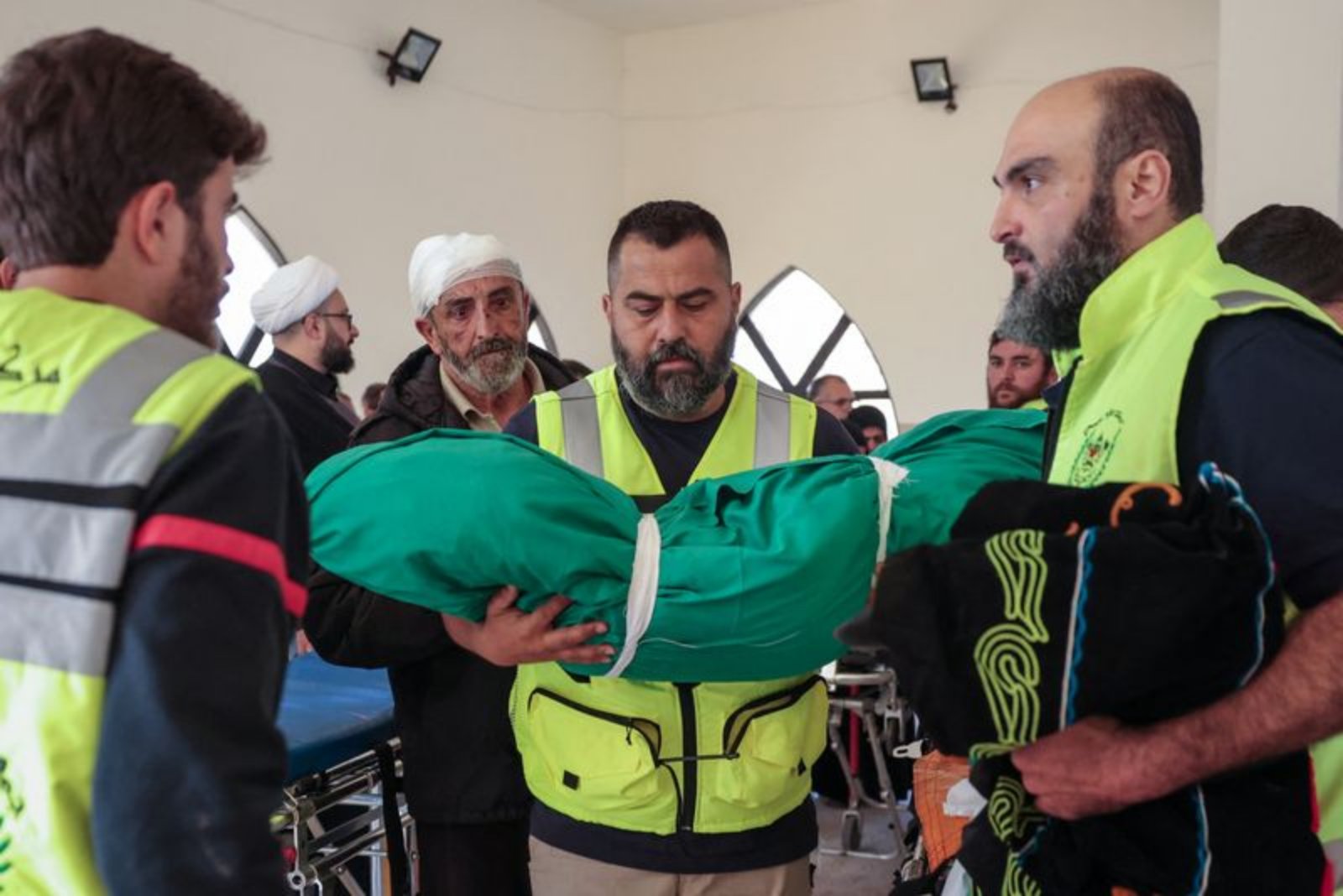
On Sunday, relatives gathered in the southern port city of Tyre to receive the bodies, wrapped in green cloth. One of the bundles, much smaller than the others, contained the body of Taleen, the infant sister of Aline, who had not yet reached her second birthday. The family said Taleen was born in 2024 during a prior round of fierce clashes between Hezbollah and Israel; "She was born in the war and died in the war," said Mohammed Nazzal, the child’s maternal grandfather.
At the hospital where Aline’s mother, Ghinwa, remained under treatment, Nasser Saeed mourned silently with bandages on his head and right hand and scratches across his face while relatives and others expressed their grief aloud.
The Israeli military said it did not have sufficient details to open an investigation into the incident, while adding that it takes measures intended to reduce harm to civilians in its strikes that target Hezbollah militants.
Casualties and wider toll
The current round of conflict in Lebanon began on March 2 after Hezbollah fired on Israeli positions, an action described by local sources as in support of its patron Iran. Israel has since expanded an air and ground campaign in Lebanon that, according to reported figures, has killed more than 2,000 people in the country, including 165 children and nearly 250 women.
Wednesday was among the deadliest recent days in Lebanon’s conflict, with the Saeed family’s losses among many civilian deaths. Heavy bombardment continued over subsequent days; nearly 100 people were reported killed on Saturday as strikes persisted.
Pope Leo, speaking in his weekly address in St. Peter’s Square on Sunday, expressed a sense of closeness to the Lebanese population and called for a ceasefire, arguing there is "a moral obligation to protect the civilian population from the horrific effects of war."
Voices from the scene
At Tyre’s Jabal Amel hospital, where many of the wounded were treated, doctors described unprecedented surges of casualties arriving within short windows of time. Dr. Abbas Attiyeh, head of emergency operations, said the scale and timing of arrivals posed major logistical challenges for medical staff.
"The challenges we’re facing now are the numbers of wounded that come at the same time, within the same 30 minutes or hour," Attiyeh told reporters, noting that many of the patients seen last week were children.
Family members criticized the international community and the rules applied to civilian protection. "This isn’t humanity. This is a war crime," Nasser Saeed said at the hospital, speaking while his daughter was being treated. He questioned why the reactions to wounded children appeared different depending on where they lived.
Diplomatic status and continuing bombardment
Diplomatic efforts around a ceasefire have produced fragmented outcomes. Iran sought a ceasefire for Lebanon as part of talks with the United States, negotiations that concluded on Sunday without a breakthrough. Israel has indicated it prefers to pursue negotiations with Lebanese officials via a separate track.
In the meantime, bombardment in Lebanon has continued despite diplomatic activity, compounding civilian suffering and maintaining heavy pressure on hospitals and emergency services in the south.
What remains clear
The Saeed family’s losses illustrate the immediate human cost of continuing strikes in southern Lebanon. Aline remains hospitalized, her grandfather and mother among those physically wounded, while the family copes with the loss of a child born during a previous round of violence. Medical facilities in the region report being overwhelmed by the pace and concentration of casualties arriving after intense bombardment.
As diplomatic initiatives proceed without a resolved accord applicable across the region, families such as the Saeeds are left to bury their dead and care for the injured amid ongoing strikes.