
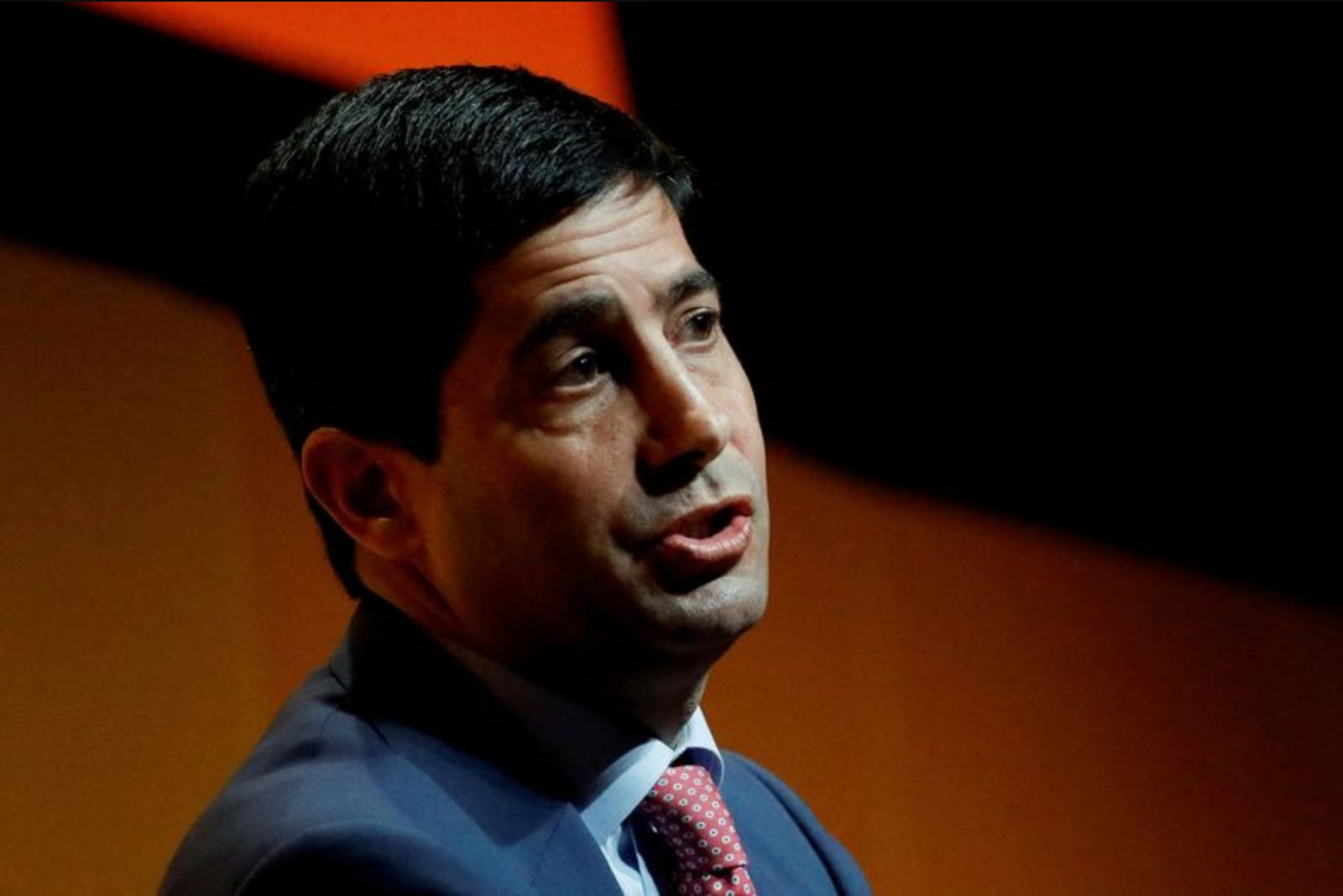
Kevin Warsh wants the Federal Reserve to pare back its large portfolio of Treasury and mortgage securities, but he has not laid out the mechanics for how that reduction would be achieved if he is confirmed at the upcoming Senate Banking Committee hearing. In the absence of a detailed plan from the nominee, economists and Fed officials are advancing analytical work aimed at providing practical options for trimming the central bank's market presence.
Across several recent academic and internal Fed studies, a common theme has emerged: if the Fed intends to reduce the size of its balance sheet without disrupting interest-rate control, the central lever is lowering financial institutions' ongoing need to hold sizable balances of reserves. That goal, these studies say, would most directly be addressed by regulatory adjustments that reduce banks' demand for reserves, coupled with tweaks to the central bank's operational toolkit.
Market analysts also point to this same direction. In a client note, analysts at Wrightson ICAP said the Federal Open Market Committee's discussion about balance-sheet size has evolved in recent months and that there is broad agreement on the regulatory options for lowering the basic level of reserve demand.
Regulatory changes at the center of recent proposals
Fed Governor Stephen Miran, in a recent research paper, quantified the potential impact of regulatory reform on the central bank's balance sheet. Miran argued that the Fed's approximately $6.68 trillion in assets could be reduced by as much as $2 trillion if liquidity regulations were loosened, bank stress-testing were adjusted, and usage of existing Fed liquidity facilities were increased.
Dallas Fed President Lorie Logan, who played a key role developing the Fed's monetary operations during her tenure at the New York Fed, has similarly signaled that rule changes around liquidity and other adjustments could lower bank reserve holdings and create scope for a smaller central-bank balance sheet.
Reserves serve as a proxy for market liquidity and are central to how the Fed manages short-term rates. The balance between too little and too much reserves is delicate: when reserves are scarce, short-term money-market rates can spike and threaten the Fed's ability to control its target interest rate; when there is excess cash in the banking system, the Fed will trim its bond holdings to withdraw liquidity.
The Fed is currently restoring liquidity levels after the most recent cycle of balance-sheet reduction and has maintained firm control over the federal funds rate range, a primary concern for policymakers.
Operational implications and limits
Since the global financial crisis in 2007-2009, the Federal Reserve has periodically expanded its holdings through large-scale purchases of Treasuries and mortgage-backed securities to stabilize markets and support the economy. Those expansions have later been followed by passive reductions and the development of a more complex set of tools to manage interest rates.
Most analysts do not expect a reversion to the pre-crisis regime of 'scarce' reserves that existed when Warsh first served as a Fed governor. Instead, the recent work aims to identify ways to maintain an ample-reserves framework while lowering the day-to-day demand for reserves by banks, particularly through more reliable access to central-bank liquidity on demand.
That distinction matters because a reduced balance sheet could act as a form of economic restraint. Miran contends a smaller Fed footprint would likely exert downward pressure on aggregate demand, which could in turn lower long-term interest rates and create scope for lower short-term policy rates as a countervailing move.
New York Fed President John Williams explained the logic in public comments: trimming the balance sheet would probably reduce aggregate demand, push up long-term interest rates and therefore could allow for somewhat lower short-term interest rates in response. However, Williams emphasized that the extent to which these effects would manifest in measurable economic outcomes remains uncertain.
Timing and implementation challenges
Even advocates of these reforms concede there is no expectation of rapid change. Former senior Fed staffer Ellen Meade, now a research professor at Duke University, said she expects some of the proposals to be actively considered but warned they will require time to put into practice. Meade suggested the ideas could lessen the Fed's need to purchase bonds in times of market stress, while preserving a framework of ample reserves in a system where banks rely more on central-bank liquidity facilities as needed.
Proponents argue the mix of regulatory adjustments and operational tweaks could permit the central bank to pursue a smaller balance sheet without sacrificing control of short-term rates. Opponents and cautious observers note that reducing incentives for financial institutions to hoard cash could introduce new vulnerabilities to the broader financial system.
For now, the debate centers on balancing two objectives: shrinking the Fed's market footprint and preserving a stable, well-functioning financial system. As the confirmation process for Warsh advances, expect the questions from lawmakers and stakeholders to focus less on the goal of a smaller balance sheet than on the practical steps, trade-offs and timeframes associated with delivering it.