
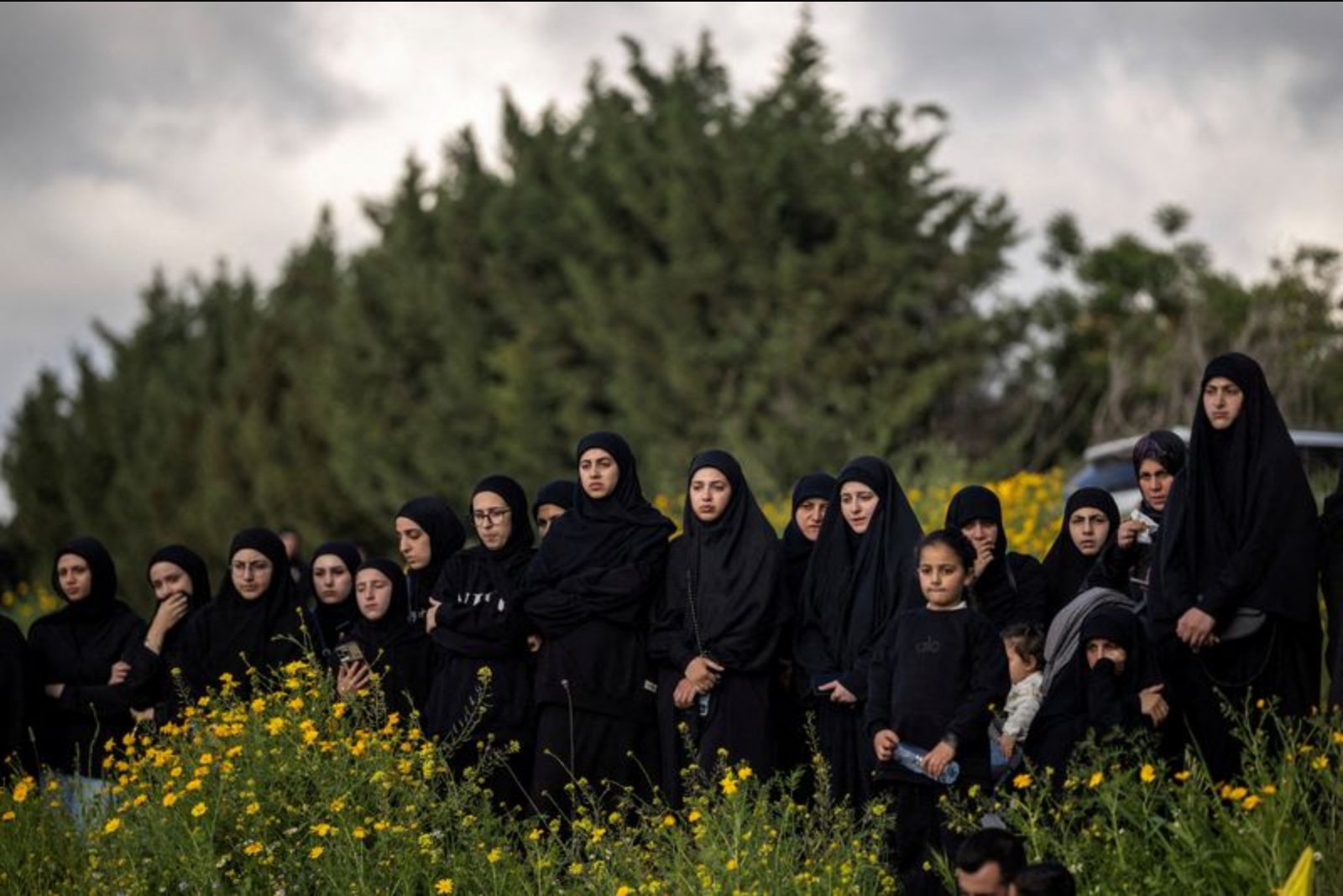
The U.S. will host a second round of talks on Thursday between envoys from Lebanon and Israel, with Beirut making an explicit push to extend a U.S.-mediated ceasefire that is due to expire on Sunday. The meeting comes after a day of renewed violence in which Israeli strikes killed at least five people, among them Lebanese journalist Amal Khalil, according to a senior Lebanese military official and her employer, the Al-Akhbar newspaper.
Officials say the temporary truce, which took effect on April 16, has produced a marked decrease in overall violence across the border. Yet attacks have persisted in southern Lebanon, where Israeli troops have taken control of a self-declared buffer zone. Iran-backed Hezbollah has defended continued resistance, saying it has "the right to resist" forces it describes as occupiers.
Wednesday was reported as the deadliest day in Lebanon since the ceasefire began. Hezbollah also said it conducted four operations in south Lebanon on that day, characterizing those actions as retaliatory responses to Israeli strikes.
Hostilities between Hezbollah and Israel were reignited on March 2, when Hezbollah opened fire in support of Tehran in the regional war. Lebanese authorities report that nearly 2,500 people have been killed in Lebanon since Israel launched its offensive in response to Hezbollah's March 2 attack.
Israel is occupying a strip of southern Lebanon that stretches 5 to 10 km (3 to 6 miles) north from the border, saying the move is intended to protect northern Israel from attacks by Hezbollah, which has fired hundreds of rockets during the wider conflict.
Diplomatic track and Beirut’s objectives
The Lebanese government has established direct contact with Israel despite strong objections from Hezbollah, which the article states was established by Iran's Revolutionary Guards in 1982. President Joseph Aoun has indicated that Lebanon's envoy to Thursday's Washington meeting, Nada Moawad, the Lebanese ambassador to the United States, will press for two immediate outcomes: an extension of the current ceasefire and a halt to Israeli demolitions in villages across southern Lebanon.
A Lebanese official told reporters that Beirut views a ceasefire extension as a precondition for elevating negotiations beyond the ambassadorial level. If talks advance, Lebanon intends to press for an Israeli withdrawal from the south, the return of Lebanese detainees held in Israel, and a formal delineation of the land border.
From Israel's perspective, officials say their objectives in talks with Lebanon include seeking the dismantlement of Hezbollah and creating conditions that could lead toward a peace agreement. Israel has attempted to align with the Lebanese government on the threat posed by Hezbollah, and Lebanon has for the past year been seeking to disarm the group through peaceful means.
U.S. role and representation
U.S. representation at the Thursday meeting will include U.S. Secretary of State Marco Rubio, who is set to attend according to official accounts. Israel will be represented by its ambassador to Washington, Yechiel Leiter. Mr. Rubio hosted the first meeting between Leiter and Moawad on April 14, a session described as the highest-level contact between Lebanon and Israel in decades. Washington has denied any connection between its mediation on Lebanon and its diplomacy related to the wider Iran conflict.
Hezbollah, for its part, has argued that the Lebanon ceasefire was secured because of Iranian pressure rather than U.S. mediation. President Aoun has emphasized goals for the diplomatic track that include stopping Israeli attacks on Lebanese territory and ensuring the withdrawal of Israeli troops from the occupied belt in the south.
This article presents the developments as reported by officials and parties involved. Where statements were attributed to named individuals or institutions, those attributions are noted. No new facts beyond those reported by sources in the original accounts have been introduced.