
Overview
Brazil’s government expects its export volumes to expand by 13% by 2038 under a scenario in which the free trade agreement between the Mercosur bloc and the European Union is fully implemented, Vice President Geraldo Alckmin said in an interview. Alckmin told international news agencies that industrial exports alone could rise by 26% over the same period as tariff barriers between the two trading blocs are progressively dismantled.
Implementation timeline and immediate effects
The agreement, which was signed by the blocs in January, begins a gradual process of tariff removal that starts immediately and is expected to be completed within 12 years. Alckmin highlighted that, as of May 1, duties on close to 5,000 products will be reduced to zero. He described the initial phase of cuts as gradual but said the May 1 measures will create a meaningful impact on trade flows.
Alckmin pointed to several sectors that could feel immediate effects from the tariff changes, naming sugar, fruits, beef and poultry as areas where exporters could see near-term changes in market access. He also noted that imports into Brazil are expected to grow as a consequence of the deal.
Safeguards and legal uncertainty
The deal includes safeguard provisions that apply to both Mercosur and EU members. According to Alckmin, these mechanisms allow either side to request a temporary suspension of tariff concessions in the event of a sudden spike in imports, a feature he described as evidence of the agreement’s balance. At the same time, some EU members, including France, have lodged challenges at the bloc’s top court, meaning the deal’s tentative entry into force on May 1 carries legal uncertainty.
Trade context and partner relationships
Trade between Brazil and the European Union amounted to about $100 billion last year, with a modest European surplus of roughly $500 million. The EU is Brazil’s second-largest trading partner after China, and the vice president signalled expectations that the agreement will alter the composition of bilateral flows.
Beyond relations with the EU, Brazil is pursuing broader trade engagement with the United States. Alckmin said the government continues to seek progress on both tariff and non-tariff issues with U.S. counterparts, noting recent diplomatic activity related to a U.S. probe into potential unfair trade practices by Brazil.
Last week, a Brazilian delegation held talks in Washington tied to that investigation. Alckmin said the delegation provided clarifications and that Brazil will offer further information if required. He also pointed to the positive interpersonal dynamic established last year between Brazil’s president and the U.S. president as a basis for expanding cooperation, without elaborating on specific negotiation outcomes.
Implications for logistics and markets
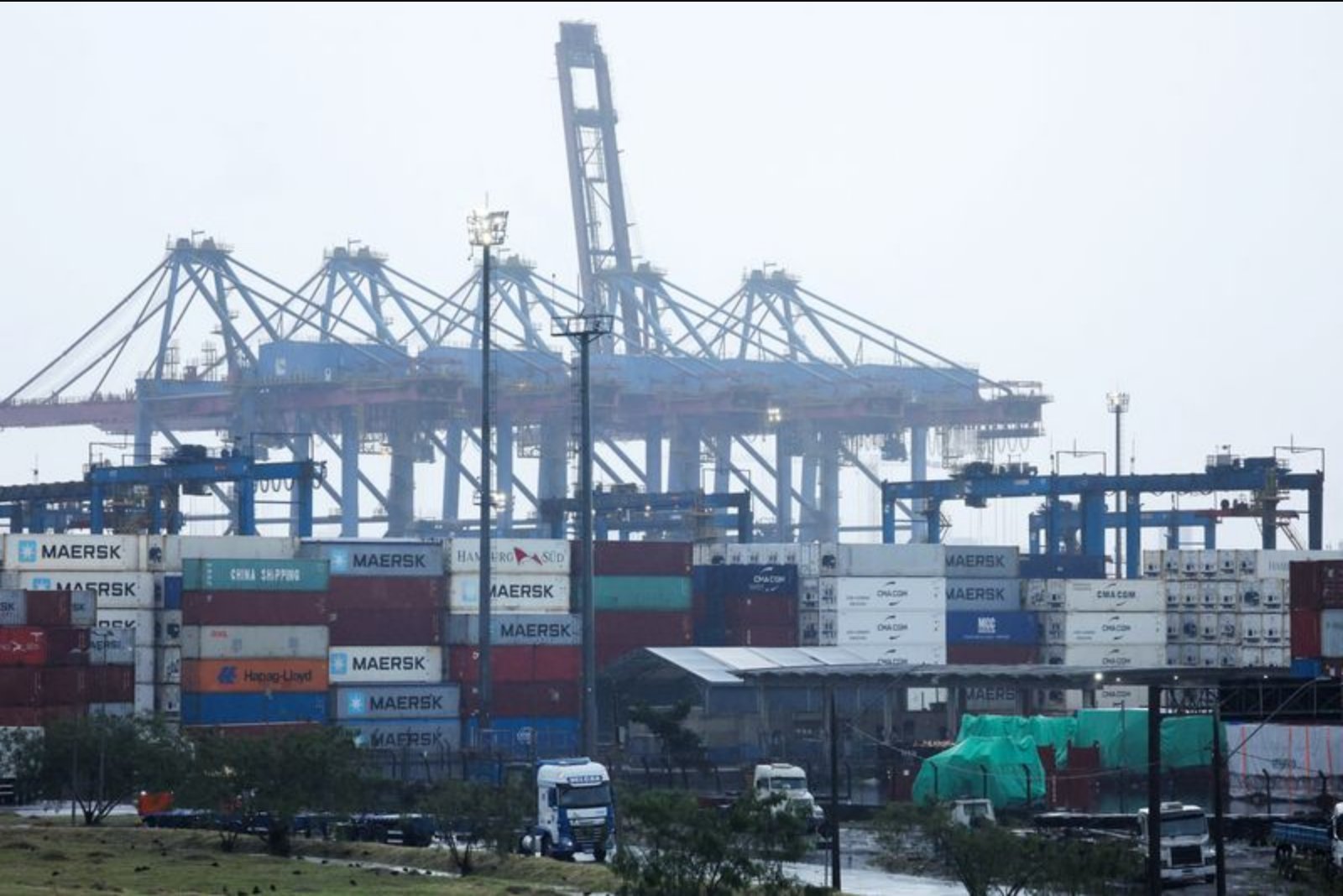
The vice president’s projections imply shifts in demand that will influence transport and logistics networks, particularly in sectors tied to agricultural exports cited by Alckmin. Growth in industrial shipments could also change freight flows and capacity needs over the coming decade, while an increase in imports may affect port throughput and inland distribution.