
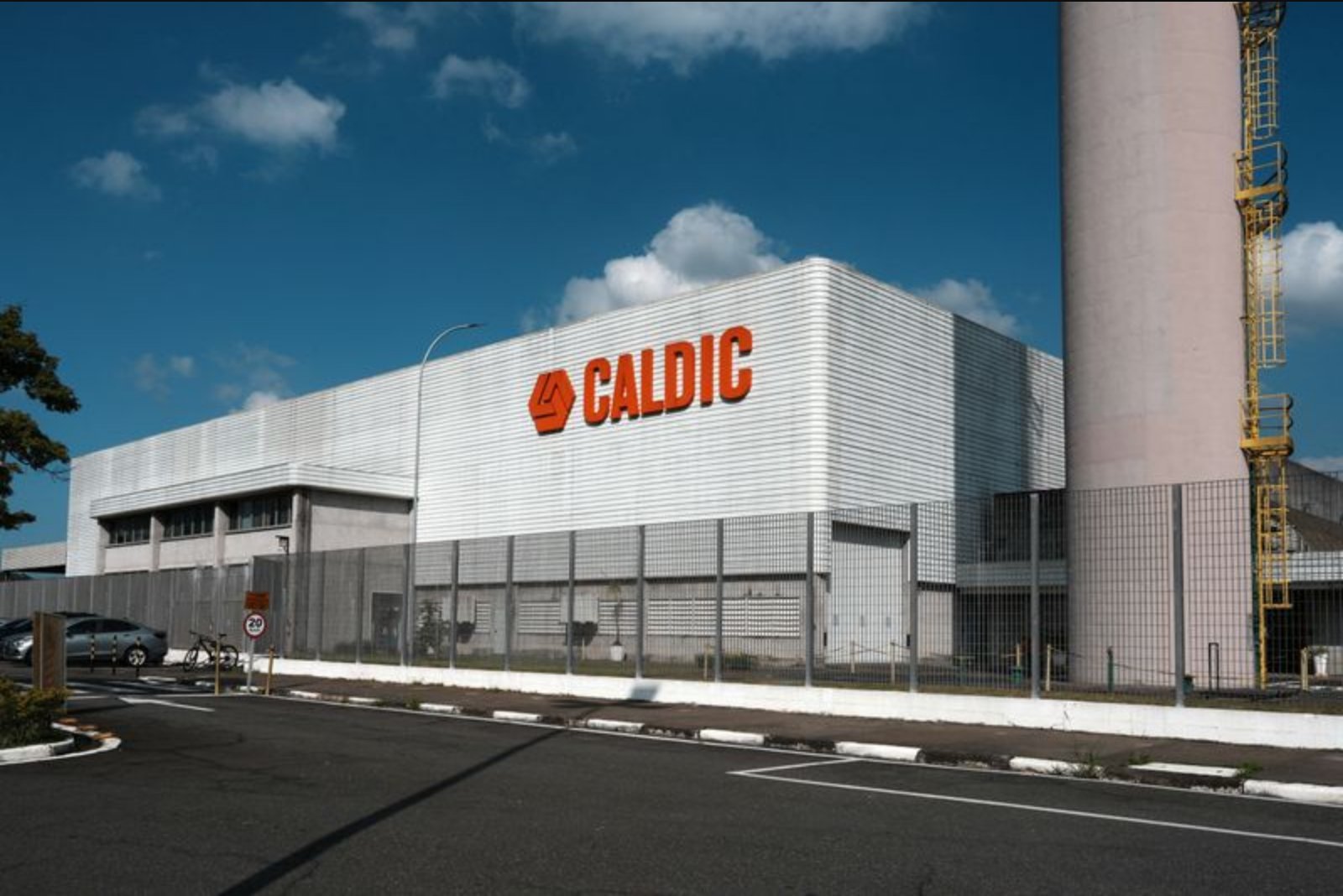
Authorities in Brazil are investigating the role of a Netherlands-based chemicals distributor majority-owned by a U.S. private equity firm in supplying methanol used in an alleged large-scale fuel fraud operation, according to company statements and official documents reviewed as part of the probe. The distributor's Brazilian arm, Quantiq, is accused in sealed documents of being a main source of methanol that prosecutors say was diverted into an illicit market that sold methanol-mixed fuel.
The criminal investigation follows a law enforcement operation last year targeting what prosecutors described as a multibillion-dollar scheme in which gas stations connected to the First Capital Command - known by the Portuguese acronym PCC - sold methanol-adulterated fuel. Prosecutors and the regulator say that methanol, which is controlled in Brazil because it is hazardous to vehicles and lethal to humans, was acquired and moved through commercial channels in ways that prompted concern.
Investigators allege the PCC, which documents say was founded about three decades ago in a Sao Paulo prison and has since developed a money laundering arm that penetrates formal sectors of the economy, purchased methanol to adulterate fuel. The alleged operation was described by investigators as involving both the acquisition of methanol and its onward diversion to gas stations and distributors that sold it illegally.
Officials involved in the inquiry have told investigators that Quantiq was the principal supplier under scrutiny. The probe has not established that the parent company or its U.S. backer had prior knowledge that methanol sales would be misused, according to sources familiar with the investigation. Nonetheless, prosecutors in Sao Paulo are examining the firm to determine the extent and nature of its involvement and whether civil or criminal charges are warranted.
Prosecutors aim to file charges in the methanol case by June and are continuing to evaluate Quantiq's role, the source said. The inquiry could lead to civil action against the company, and individuals associated with the distributor could face criminal charges depending on the findings of the ongoing probes.
Company response and internal review
In response to inquiries about the criminal probe, Quantiq stated it is cooperating with investigators and asserted its commitment to compliance and integrity. The company said an internal audit identified no wrongdoing by its management. Quantiq declined to provide the audit documentation or the identity of those who carried it out, and the audit's findings could not be independently verified by investigators cited in related documents.
Another distributor, GPC Quimica, which is also under scrutiny for methanol sales according to the same line of inquiry, emphasized that it conducts business in accordance with applicable laws and regulations. Officials say the volumes under review at GPC Quimica are smaller than those attributed to Quantiq.
Regulatory action and sealed documents
Brazil's national fuel regulator, the Agencia Nacional do Petroleo - ANP, has opened an administrative proceeding linked to the criminal probe and has restricted Quantiq's ability to sell methanol while its inquiry proceeds. ANP documents made reference to correspondence between Quantiq employees and individuals tied to the PCC, according to prosecutors' preliminary findings cited in the regulator's sealed file.
ANP records reviewed by investigators indicate that regulators flagged prior compliance concerns in 2023 and moved in November to bar Quantiq from selling methanol pending further investigation. In February the regulator allowed the firm to resume some methanol sales to designated buyers under new safeguards while it completes its administrative probe.
Patterns that raised red flags
ANP's sealed documents show it identified multiple indicators of potentially irregular trade. Between January and August of last year, Quantiq is reported to have sold roughly 190 million liters of methanol. Financial tracking and shipping records examined by ANP officials allegedly showed that hundreds of those shipments, imported through the Paranagua port in southern Brazil, did not reach the buyers listed on paperwork or were delivered to entities that were not operational or had no obvious use for the volumes.
In one instance cited by regulators, Quantiq purportedly sold about 25 million liters over an eight-month period to a buyer that told ANP it uses roughly 630,000 liters per month. The discrepancy between the buyer's declared consumption and the volumes sold raised questions about the disposition of the surplus methanol. Investigators have not established what happened to the remainder.
ANP officials also flagged that nearly a quarter of Quantiq's methanol sales exhibited irregularities, including buyers who did not physically receive the shipments, buyers who were not operational, and buyers without an evident legitimate use for the amount purchased. The regulator's documents assert that the company did not apply minimum compliance protocols in some cases, contributing to an irregular methanol trade with potential risks to public health and to the regular supply of fuels.
Quantiq told investigators it maintains compliance and due diligence procedures in line with regulatory recommendations and declined to comment on selectively disclosed materials or unnamed sources cited in sealed documents.
Employees under scrutiny and coordination allegations
As part of the wider criminal operation that authorities targeted in August, warrants included two individuals who had worked at Quantiq for more than a decade. Those employees were not senior managers, according to documents in the ANP probe. Prosecutors' preliminary findings, as cited in the regulator's sealed administrative file, include email exchanges in which these individuals coordinated methanol shipments with people allegedly connected to the PCC.
Quantiq's internal audit, according to the company's statement, found no indication that the company's representatives or management were involved in the alleged smuggling. The company did not provide the audit report to external parties, and independent verification of the audit conclusions was not available in the records reviewed by investigators.
Sector context and potential impacts
Methanol and ethanol are components of Brazil's biofuels industry. Methanol is used in limited quantities for biodiesel production, while ethanol is widely used as an additive and substitute for gasoline in Brazilian vehicles. Industry representatives have noted methanol's lower price relative to ethanol can make it attractive to bad actors seeking to increase margins by mixing fuels.
Regulatory changes in 2024 assigned greater responsibility to distributors for preventing improper use of methanol by their customers. These rules have placed distributors under increased scrutiny, and the ANP's actions illustrate how regulatory oversight can intersect with criminal investigations when irregular trade patterns are detected.
The sealed nature of the criminal and administrative inquiries means prosecutors and regulators are still determining whether formal charges against the company or its personnel are appropriate. If charges are brought as planned by June, potential outcomes could include civil suits against the firm and criminal charges for implicated employees; however, investigators have not yet concluded these matters.
What remains unclear
Documents and statements in the sealed probes include claims that Quantiq shipped substantial volumes of methanol that were not accounted for, and that some buyer entities were inactive or lacked a clear legitimate use for their purchases. Reuters and investigative officials have not independently verified all of the alleged irregularities cited in the sealed files. Quantiq has maintained its cooperation and said its compliance and due diligence processes are in place, while declining to provide the underlying audit materials.
As investigators and regulators continue to review financial tracking data, shipping manifests and internal communications, the full scope and implications of the alleged methanol diversion remain under evaluation. Authorities plan to press charges by June as they determine what role, if any, company personnel and corporate policies played in facilitating the irregular trade.
Reporting for this article is based on company statements and official documents reviewed in connection with ongoing criminal and regulatory investigations.