
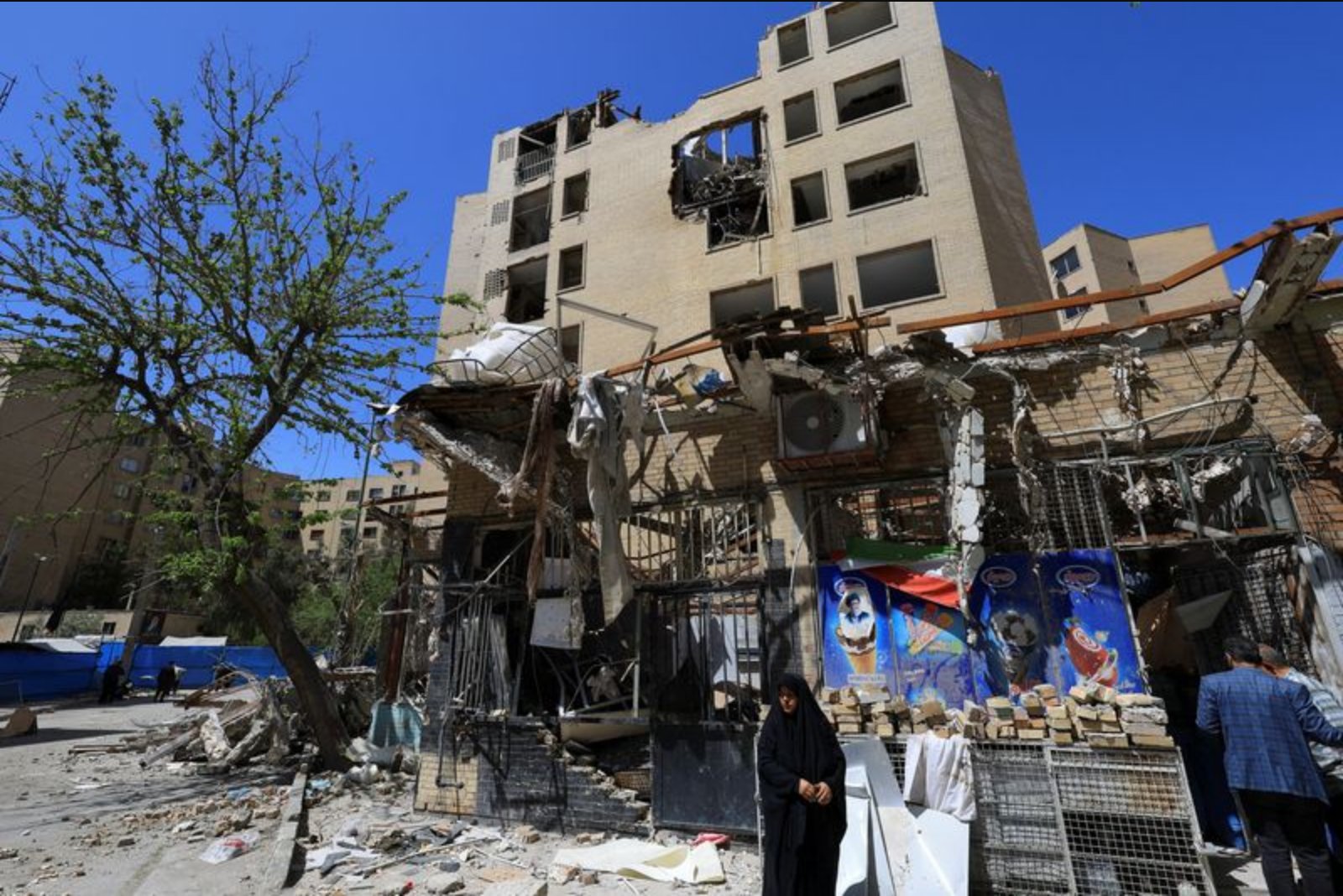
The economic repercussions of the conflict involving Iran are becoming more visible across the global economy, with firms reporting larger cost burdens and weakening demand in areas that had so far shown resilience. Recent readings from major purchasing managers' surveys and corporate commentary this week paint a deteriorating picture: inflationary pressures are rising, prospects for food and energy supplies are drawing concern, and growth forecasts have been trimmed.
Survey data compiled by S&P Global and released on Thursday pointed to a broader downturn than many markets had expected. The headline manufacturing and services indices for the 21-country euro zone moved decisively in a negative direction, with the region's preliminary composite manufacturing reading falling from 50.7 in March to 48.6 in April - a figure below 50 that signals a contraction in activity.
At the same time, the euro zone input price index jumped to 76.9 from 68.9, underlining the sizeable increase in production costs being recorded by factories. Services activity in the bloc also weakened markedly, with the services PMI sliding to 47.4 from 50.2, below a Reuters poll expectation of 49.8.
"The euro zone is facing deepening economic woes from the war in the Middle East," said Chris Williamson, chief business economist at S&P Global. "Increasingly widespread supply shortages meanwhile threaten to damp growth further while adding more upward pressure to prices in the coming weeks."
Counter-intuitively, some countries reported a temporary uptick in output. Purchasing managers in Japan, India, Britain and France noted higher production levels, a pattern S&P Global in some cases linked to firms stepping up output to get ahead of anticipated supply-chain disruptions. Japan, in particular, recorded its strongest expansion in factory output since February 2014 even as input costs there rose at their fastest rate since early 2023.
That behaviour - often described as "front-loading" - mirrors patterns seen in prior corporate responses to policy or trade shocks. If companies are accelerating shipments and production now to mitigate future interruptions, that activity could be followed by a pullback later, implying lower output ahead once inventories and deferred orders are worked through.
The PMI data were consistent with a series of cautious statements from major listed firms about first-quarter results. Companies across sectors signalled disruptions to shipments and logistics: French food group Danone and elevator-maker Otis Worldwide both cited war-related shipment disruption in their earnings commentary.
Not all sectors are suffering. Investment tied to artificial intelligence continues to buoy technology activity, and market turbulence is supporting trading revenues for financial firms. South Korea posted its fastest growth in nearly six years in the prior quarter, driven by a surge in chip exports. In the United States, the technology sector is expected to lead gains in first-quarter corporate earnings. London Stock Exchange Group said it now anticipates annual revenue growth at the upper end of its guidance after reporting record first-quarter revenue aided by a jump in trading activity.
Despite these pockets of strength, the overall macro outlook has been revised downward. The International Monetary Fund last week reduced its global growth forecast to 3.1% for this year, and cautioned that the world is drifting toward a more adverse trajectory - including the possibility of outright recession if the disruptions persist.
Oxford Economics produced its own review of the likely longer-run effects of energy shocks, comparing the current situation to previous episodes from the early 1970s Yom Kippur War to the 2022 invasion of Ukraine. Jamie Thompson, head of macro scenarios at Oxford Economics, said the exercise highlighted how earlier energy shocks left lasting scars on inflation, investment and energy production years later. Oxford's survey work also found that one-in-four businesses now expect disruptions to extend beyond the end of this year.
"This evidence highlights the risk of an abrupt adjustment in sentiment," Thompson concluded.
With no clear resolution in sight for the conflict triggered by U.S. and Israeli strikes on Iran, economists and corporate planners say the trajectory of the global economy will hinge on how long shipping remains impaired through the Strait of Hormuz and how persistent supply constraints prove to be. For now, the signals from manufacturing and services surveys, combined with companies' cautious earnings commentary, suggest the energy shock is starting to penetrate wider parts of the economy and is likely to keep upward pressure on prices even as demand softens.
Sectors highlighted in recent data:
- Manufacturing - rising production costs and falling activity in parts of the euro zone.
- Services - notable weakening in euro zone services activity.
- Technology - continued strength tied to AI investment and solid earnings performance in the sector.
- Financials/Trading - higher market volatility supporting trading revenues and exchange activity.
- Trade/Exports - disrupted shipping and logistics affecting food and industrial goods shipments for some multinational firms.