
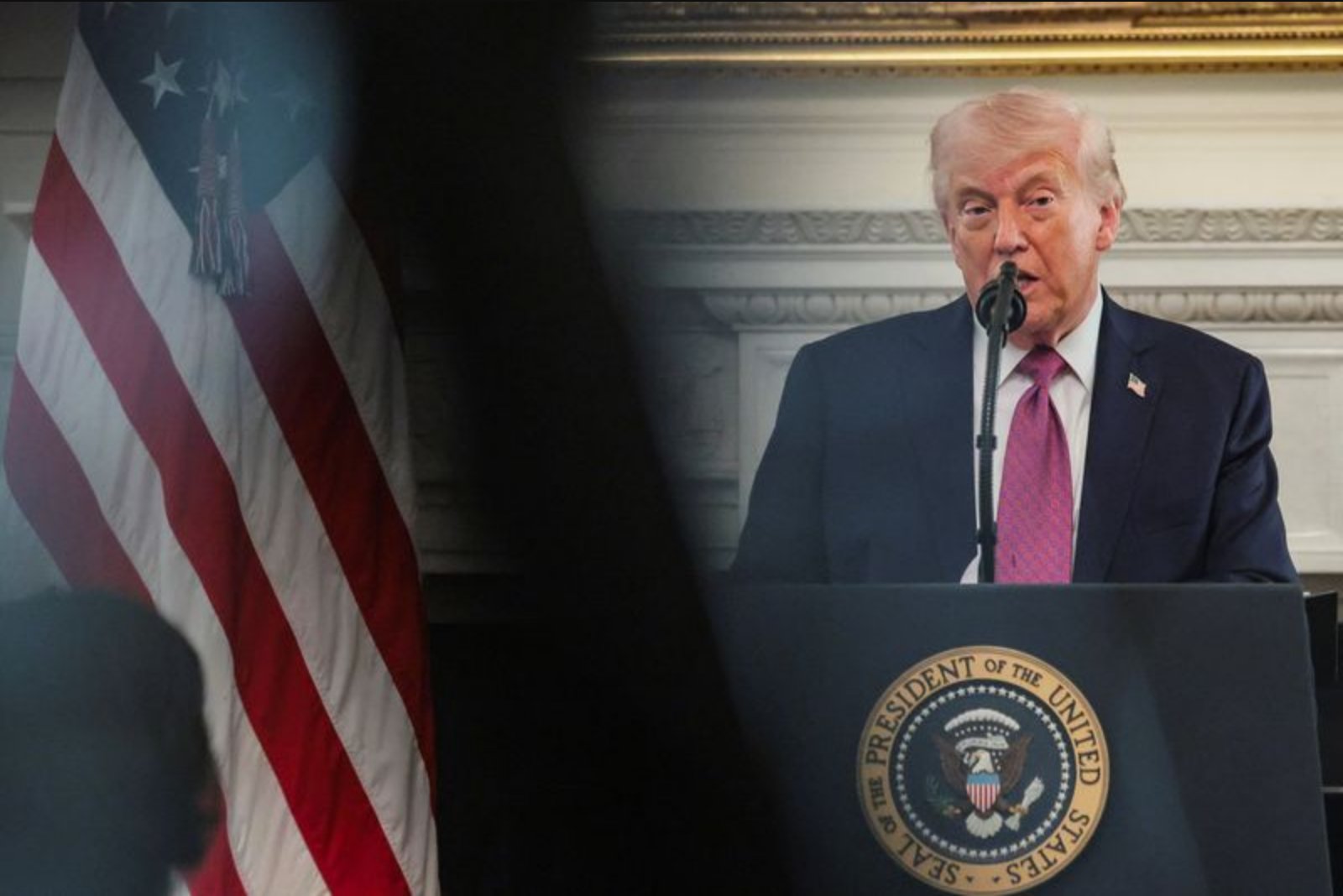
U.S. officials are considering a significant expansion of refugee admissions specifically aimed at allowing more white South Africans to qualify for U.S. refugee status, according to people with direct knowledge of internal planning. The discussions would more than double the current refugee ceiling for the fiscal year, with planners examining an increase of 10,000 on top of the 7,500-person limit already in place.
When President Donald Trump took office in January 2025, his administration halted refugee admissions globally. Within weeks, he signed an executive order that gave priority to European-descended Afrikaners, citing claims that they faced race-based persecution in majority-Black South Africa - assertions that South Africa's government strongly rejects.
The U.S. Refugee Admissions Program, created by statute in 1980 to provide haven for people fleeing the wars in Vietnam and Cambodia, has since been used to resettle persecuted individuals worldwide. Under the current administration, the program has been employed predominantly to bring white South Africans into the United States, marking a significant shift in how refugee protections are being applied.
Those familiar with internal planning say discussions have centered on lifting the 7,500-person refugee cap by an additional 10,000 places to allow more Afrikaners to be admitted. The people who described the discussions spoke on the condition of anonymity because they were sharing non-public government deliberations. The White House directed inquiries to the U.S. State Department.
A State Department spokesperson declined to confirm or deny that officials were actively negotiating an increase to the admissions ceiling. "If the president decides to raise the FY 2026 refugee admissions cap, he will do so at the appropriate time, and any numbers discussed at this point are only speculation," the spokesperson said.
Context and demographics in South Africa are often invoked in U.S. discussions of eligibility. During the apartheid era - which formally ended with South Africa's first democratic elections in 1994 - the country maintained legally enforced racial separation across schools, neighborhoods and public facilities. Census data from 2022 indicate Black South Africans constitute 81% of the population, while Afrikaners and other white South Africans make up about 7%.
State Department statistics show that roughly 4,500 South Africans were admitted as refugees in the first six months of the current fiscal year, a pace that would surpass the administration's existing caps if continued. Aside from white South Africans, only three Afghan refugees are recorded as having entered the United States this fiscal year, according to those figures.
President Trump set a record-low refugee ceiling of 7,500 for fiscal year 2026, which began on October 1, 2025. That level marks a sharp reduction from the 125,000-person annual ceiling set under the previous administration.
Officials are also considering broader use of the refugee program beyond South Africans. One person involved in planning said the administration has examined whether religious minorities from Iran and from countries that were formerly part of the Soviet Union could be eligible under the so-called "Lautenberg" program. That provision traces back to a 1989 budget amendment introduced by then-Senator Frank Lautenberg, designed to ease resettlement for Jewish refugees.
At the same time the administration contemplates admitting more South Africans, an internal government email reviewed by U.S. officials shows that at least four people resettled in the United States through the program have since returned to South Africa. Case notes detailed in the email indicate several reasons for the returns.
One South African who arrived in Minneapolis in late January left the United States in under a month after plans for his daughter and grandchildren to join him "fell through," according to case notes. A pair of South Africans who were resettled in Twin Falls, Idaho, in late January returned to South Africa about a week later because a parent fell ill. Another individual resettled in Moline, Illinois, in mid-March went back to South Africa weeks afterward. Case records state the resettlement "occurred quickly," that the individual had not fully considered the process, and that her family in South Africa decided not to proceed with their own resettlement. The notes also reference concerns about the client's age - 66 - and her ability to provide for herself.
Those internal returns come amid an administration narrative portraying South Africa as perilous and repressive for white residents. Yet, officials note, thousands of white South Africans living abroad have returned to the country in recent years. Meanwhile, U.S. planning documents from earlier in the year indicated an operational aim to process large numbers of white South Africans through the refugee pipeline - reporting a target of roughly 4,500 individuals per month - and described logistical steps such as installing more than a dozen trailers on embassy grounds in Pretoria to conduct interviews.
As deliberations continue inside the government, the trajectory of any change to the refugee ceiling remains uncertain. Officials have framed the question of expanding admissions as one that requires presidential action and further administrative determination, and public confirmation from the State Department has been limited to noting that discussions and numbers remain speculative until a formal decision is announced.