
Economy April 21, 2026 06:27 AM

Hong Kong moves to seize HK$127 million from jailed media tycoon Jimmy Lai

High Court writ lists company shareholdings, factory units and dozens of bank accounts as government seeks asset forfeiture under national security rules

By Jordan Park
Hong Kong moves to seize HK$127 million from jailed media tycoon Jimmy Lai

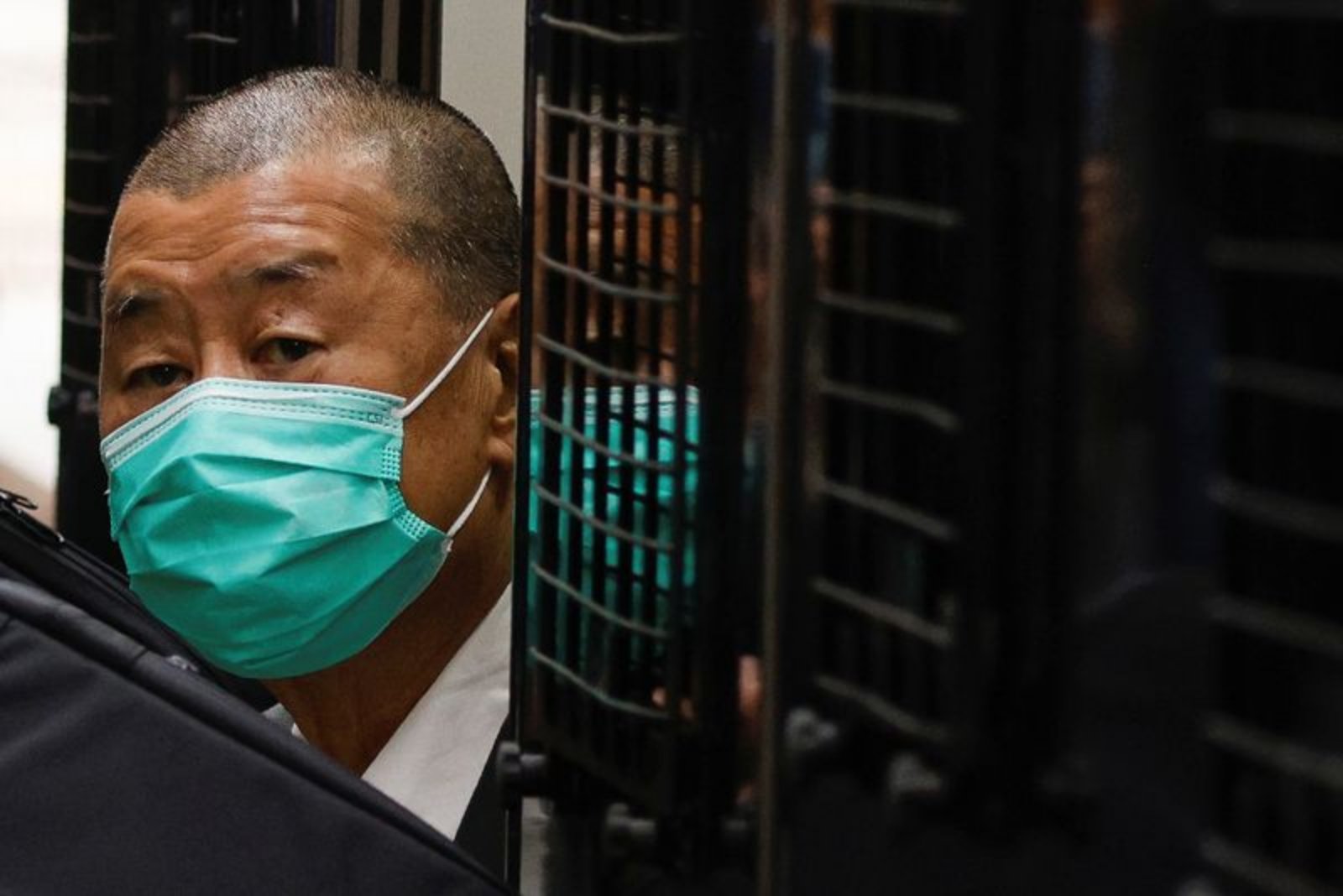
A High Court writ released on Tuesday shows the Hong Kong government is seeking to seize more than HK$127 million in assets linked to jailed media proprietor Jimmy Lai. The filing enumerates company shareholdings, multiple small factory properties and deposits across more than 50 bank accounts, and relies on implementing rules under the national security law imposed in 2020. The case is scheduled for hearing on July 8.

Key Points

  • Hong Kong government seeks to seize more than HK$127 million in assets tied to Jimmy Lai; seizure hearing set for July 8 - impacts legal and media sectors.
  • Largest single valuation relates to shareholdings in Comitex Holdings and Dico Consultants, assessed at over HK$71.3 million - affects private corporate holdings and property ownership.
  • Authorities cite implementing rules under the 2020 national security law to justify asset freezes and forfeiture, with deposits in more than 50 bank accounts also targeted - relevant to banking and financial services.

The Hong Kong government has filed to confiscate upwards of HK$127 million from jailed media figure Jimmy Lai, according to a court document made public on Tuesday. The writ, issued by the High Court, identifies a collection of assets tied to Lai including bank balances, several small factory properties and stakes in privately held companies.

The seizure proceeding is listed for a hearing on July 8. A spokesperson for Lai's legal team said they had no comment for now.

Lai, a long-standing pro-democracy advocate and a prominent critic of Beijing, was sentenced in February to 20 years' imprisonment after being convicted on two counts of conspiracy to collude with foreign forces and one count of publishing seditious materials. His prosecution drew international attention in part because he founded the outspoken and now-closed Apple Daily newspaper.

Pro-Beijing media outlets and officials have repeatedly characterised Lai as a pro-American traitor and as the architect of the widespread pro-democracy demonstrations that took place in 2019.


Breakdown of assets listed in the writ

  • The single largest item named in the writ is Lai's shareholdings in two private companies, Comitex Holdings and Dico Consultants. The document values those holdings at more than HK$71.3 million, a figure derived from the firms' property and bank holdings.
  • The government is seeking to recover HK$12 million in bail funds that were provided by Lai.
  • The remaining amount comprises deposits held across more than 50 bank accounts associated with Lai and several privately held companies, the writ states.

According to the document, the government's application to seize these assets is made under the implementing rules of the national security law that Beijing imposed on Hong Kong in 2020. Lawyers cited in the filing say those rules grant authorities broad powers to first freeze and subsequently seize property and financial assets connected to national security cases.

Some foreign governments and international rights organisations have criticised the national security law and its effects on the former British colony. Hong Kong and Chinese officials, as noted in the filing, have defended the legislation as necessary to restore stability following the sometimes-violent protests of 2019.

All monetary amounts in the writ are expressed in Hong Kong dollars; the document includes the conversion rate of $1 = 7.8309 Hong Kong dollars.

Risks

  • Legal uncertainty over asset forfeiture proceedings - outcome depends on the July 8 hearing and the application of national security implementing rules; this affects property owners and corporate shareholders.
  • Potential reputational and operational impact for firms linked to the frozen assets - banks and private companies named in the writ could face transactional constraints while accounts are targeted.
  • Criticism from foreign governments and rights groups over the national security law creates ongoing political and regulatory uncertainty for Hong Kong's market environment.

More from Economy

Economists See Bank of England Keeping Rates Unchanged Through 2026 Amid Inflation Upside Apr 21, 2026 Beijing Sets 100 Trillion Yuan Goal for Services Sector by 2030 in Drive to Boost Jobs and Consumption Apr 21, 2026 Equifax Q1 Profit Climbs on Strong U.S. Mortgage Activity; Revenue Outlook Held Steady Apr 21, 2026 Moody's: Extended energy disruption could widen India's trade deficit and pressure public finances Apr 21, 2026 Europe's jet fuel stocks face critical squeeze as Strait of Hormuz disruption persists, J.P. Morgan warns Apr 21, 2026