
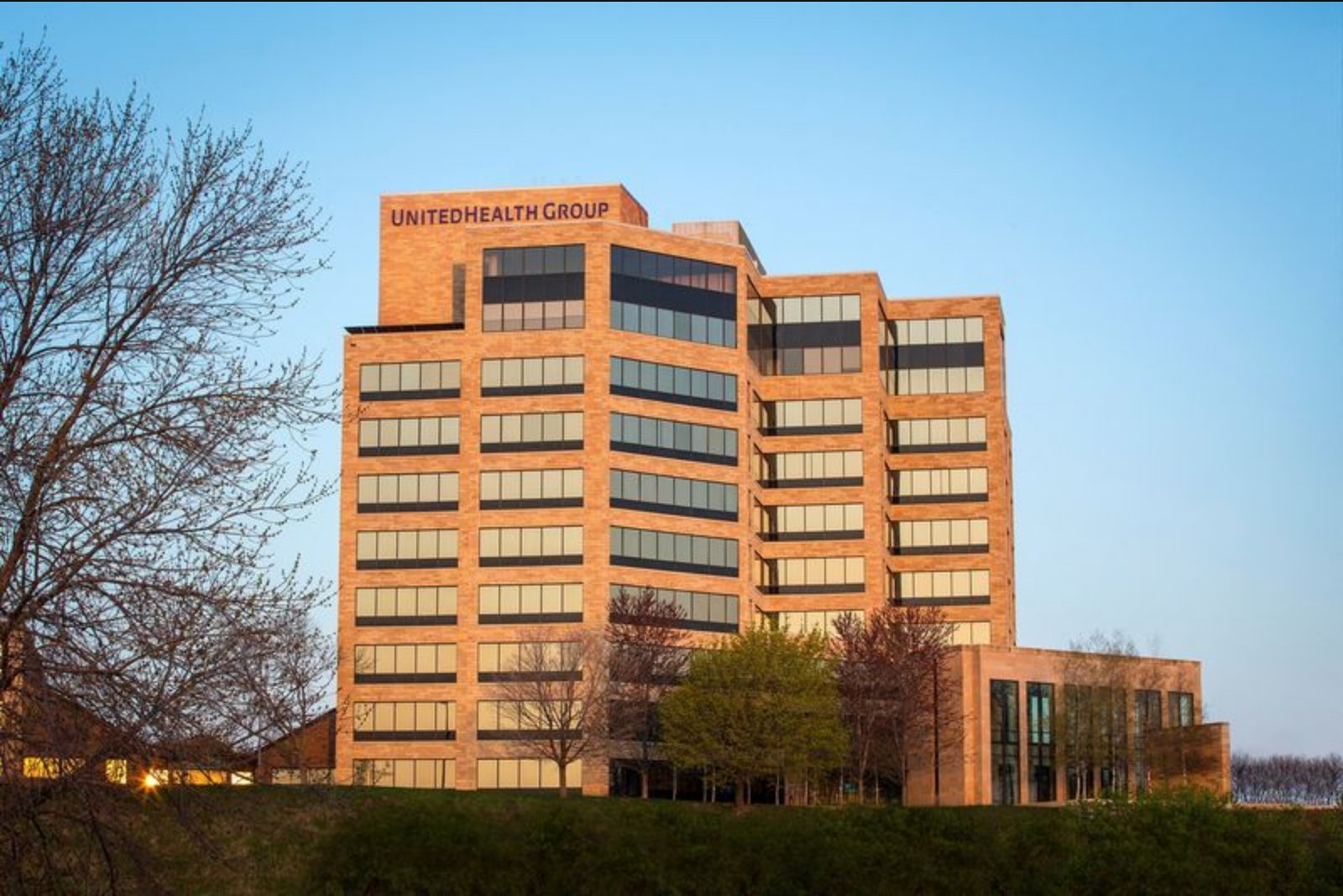
UnitedHealth delivered an adjusted profit for the first quarter that exceeded analyst expectations and subsequently raised its 2026 profit outlook, the company said on Tuesday. The healthcare conglomerate cited controlled costs and stronger government payments to its insurance operations as drivers of the better-than-expected result, prompting a near 6% rise in its shares in premarket trading.
The company now expects adjusted earnings per share for 2026 to be greater than $18.25, an upward revision of $0.50 from its prior projection of greater than $17.75 per share. Analysts had been modeling 2026 adjusted EPS of $17.86, according to data compiled by LSEG.
For the quarter, UnitedHealth reported adjusted earnings per share of $7.23, versus the consensus analyst estimate of $6.57, a positive surprise of $0.66 per share based on LSEG figures.
Management stance and guidance approach
CFO Wayne DeVeydt described the company’s posture on its 2026 outlook as cautious and focused on preserving trust and transparency. He acknowledged that the company could have increased its guidance by more given the scale of the quarterly beat, but said management prefers to observe whether current trends persist into April and May before committing to a larger revision.
"You may say 'it looks like you beat the quarter by more than that. Why not raise by more?'" DeVeydt said. "We like to believe our execution is the primary driver, but we want to see if any of these trends change in April and May."
Cost trends and membership shifts
The company reported a first-quarter medical cost ratio - the share of premiums spent on medical care - of 83.9%, below analysts’ estimates of 85.70%. Management attributed part of the improvement to a combination of cost discipline and somewhat better-than-expected retention among Medicaid enrollees.
DeVeydt said the company now expects to lose 1.3 million Medicaid members, and that while membership is still being lost, the pace of attrition is less severe than previously anticipated. "We actually think we’re going to do a little bit better than we anticipated," he said.
UnitedHealth had warned in January that 2026 revenue would decline for the first time in decades - a setback for CEO Stephen Hemsley’s efforts to restore investor confidence after a difficult stretch that included the killing of a top executive, an unexpected jump in medical costs, a federal probe and public anger directed at insurance industry practices.
The broader industry has been confronting higher costs since mid-2023. That pressure has been driven in part by increased utilization under Medicare plans for older adults and people with disabilities, as well as shifts in Medicaid enrollment that have left insurers with a higher share of members who require more medical care.
Optum performance and investments
UnitedHealth’s Optum health services division weighed on overall results. Optum’s operating income fell 15% to $3.3 billion, a decline the company attributed to elevated medical costs and continued investment to reconfigure Optum’s operations.
Optum’s revenue edged down 0.2% in the quarter to $24.1 billion, a decline the company tied to fewer patients enrolled in its coordinated care plans. DeVeydt said that the reduction in enrollment was intentional, reflecting a deliberate exit from less favorable contracts.
The company previously disclosed that Optum faced regulatory and cost challenges, representing an $11 billion impact to the unit over a three-year period. Despite the headwinds, UnitedHealth said Optum implemented operational changes designed to boost patient access to primary care. Those changes included adjustments to scheduling that led to a 12% increase in visits during the first quarter.
UnitedHealth also reported that Optum invested in deploying professionals into hospitals to coordinate care at home, aiming to reduce readmissions which are typically more costly than discharging patients to a nursing facility.
At the pharmacy benefit manager level, Optum Rx posted revenue of $35.7 billion, up 2% year over year.
Market reaction and outlook
The company’s combination of a quarterly beat and a raised profit projection for 2026 triggered a positive market response, with shares climbing nearly 6% in premarket trade. Management’s decision to adopt a measured stance on further guidance increases reflects a preference for confirming early-quarter trends before revising full-year expectations further.
Investors and market participants will likely watch April and May data closely for signs that the trends cited by management - including controlled medical costs, membership dynamics in Medicaid and the outcomes of Optum’s operational investments - are sustained.