
Uncertainty grew on Tuesday about whether fresh negotiations between the United States and Iran will take place before a temporary ceasefire expires later this week. The pause in hostilities, announced two weeks earlier, is approaching its end and officials and intermediaries have provided mixed signals about whether a follow-up diplomatic round is imminent.
The ceasefire was announced on April 7. U.S. authorities said the arrangement would run for two weeks from that announcement, and reporting from a Pakistani source placed the end of the halt to fighting at 8 p.m. Eastern on Wednesday - or at midnight GMT on Thursday - though no single, formal deadline time has been universally confirmed.
Pakistan, which has frequently acted as an intermediary between Washington and Tehran in the recent crisis, has been working to clear a path for renewed discussions in Islamabad. Officials and intermediaries are handling arrangements amid a flurry of public statements that point in different directions about whether Iran will participate.
U.S. officials have expressed confidence that talks scheduled to take place in Pakistan will proceed, and a Pakistani source has said Tehran will join the meeting. Those assertions, however, sit alongside public remarks from the U.S. president suggesting a lower probability of an extension to the temporary halt.
The president said on Monday that he was "highly unlikely" to renew the ceasefire. He also stressed that any agreement he would consider needs to calm disturbances in financial markets and include an Iranian commitment not to pursue a nuclear weapon.
Complicating matters further, the identity of the U.S. delegation leadership has been subject to mixed messages from the White House. Media accounts have supplied differing accounts about who might head the American side, and parallel coverage has offered varying indications of whether Iran will attend even after Tehran indicated it would skip a second round of talks.
Iranian state television also issued an alert saying that no Iranian delegation had visited Islamabad so far, adding another layer of ambiguity to public reporting about attendance and timing.
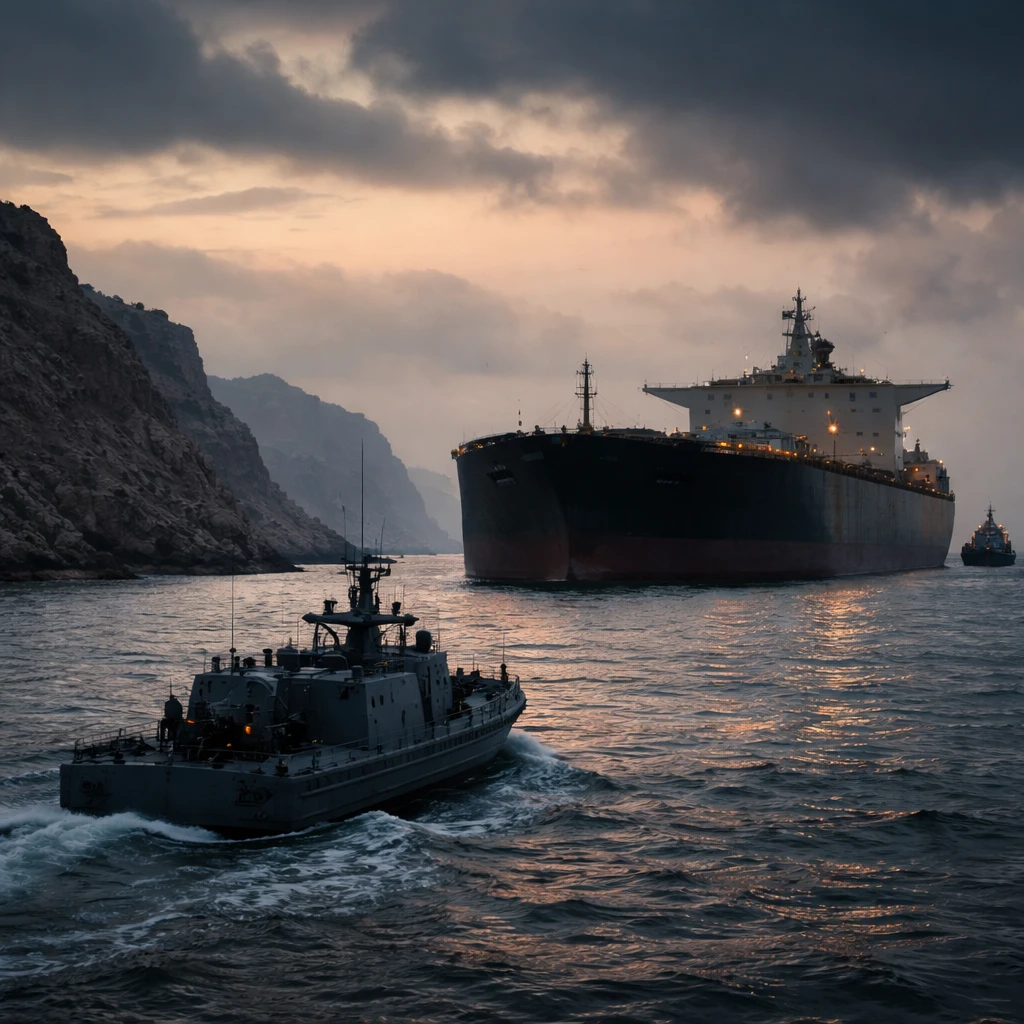
Underlying the diplomatic uncertainty is the strategic leverage Iran has exercised over global energy flows. Tehran closed the Strait of Hormuz - the narrow maritime corridor off Iran's southern coast through which roughly a fifth of the world's oil moves - and that action pushed oil prices higher while raising concerns about inflationary pressure and slower global growth.
Applying that leverage, Iran has reportedly sought an arrangement that would avoid renewed U.S. strikes while easing sanctions tied to its nuclear activities. Last week, Iranian authorities said the strait had been reopened to commercial shipping traffic, a development that briefly buoyed hopes for a durable settlement, sent equity markets sharply higher and triggered a steep drop in crude prices.
Those market moves, however, proved fragile. Over the weekend the United States seized an Iranian-flagged cargo ship, an action that prompted threats of retaliation from Iran. Tehran subsequently said the Strait of Hormuz was once again closed, citing an ongoing U.S. blockade of Iran's ports and coast.
By Monday, gains in U.S. stock markets had cooled, and crude oil prices retraced some of last week's losses while remaining notably above pre-conflict levels. The combination of unclear negotiation outcomes, episodic maritime closures and recent maritime seizures has left markets particularly sensitive to next steps by both capitals and to signals from the Pakistani mediation track.
The near-term picture remains unsettled: a temporary ceasefire is set to expire, mediators are attempting to convene talks, and official statements from both Washington and Tehran contradict one another on participation and intent. Against that backdrop, market participants and regional stakeholders are watching for concrete confirmations of attendance, delegation leadership and any formal extension of the pause in hostilities.