
Commodities April 16, 2026 04:50 AM

Iran, U.S. Narrow Gaps Under Pakistani Mediation but Major Divides Persist, Tehran Says

Tehran credits Pakistani army chief's visit with easing some differences while nuclear questions remain unresolved amid ceasefire talks

By Leila Farooq
Iran, U.S. Narrow Gaps Under Pakistani Mediation but Major Divides Persist, Tehran Says

A senior Iranian official said meetings mediated by Pakistan produced incremental progress toward extending a two-week truce with the United States, but significant disagreements - notably over Iran's highly enriched uranium and the length of nuclear restrictions - remain. Pakistan's army chief visited Tehran after Islamabad hosted the first round of talks; no date has been set for a follow-up meeting.

Key Points

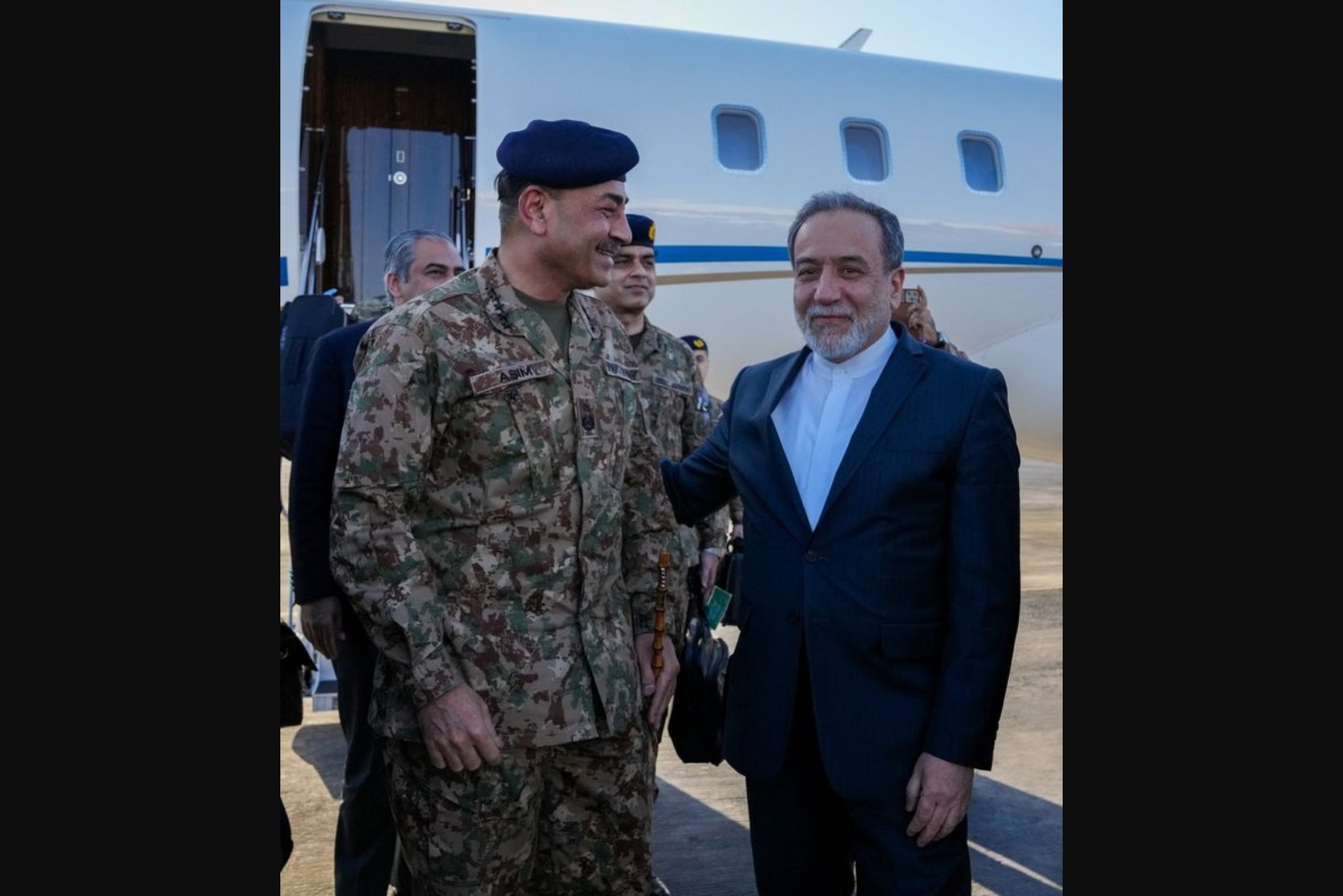
  • Pakistan's army chief visited Tehran and the trip helped reduce differences in some areas, increasing hopes of extending the ceasefire and holding another round of talks.
  • Major disputes remain between Iran and the United States regarding the handling of Iran's highly enriched uranium and the duration of nuclear restrictions.
  • No date has been set for a second round of talks; Pakistan hosted the first round of peace talks and continues to mediate.

Iran and the United States have achieved limited progress in negotiations conducted under Pakistani mediation, a senior Iranian official said on Thursday, but key disputes remain unresolved more than halfway through a two-week truce.

The Iranian official described the visit to Tehran by Pakistan's army chief as having helped reduce differences in select areas, while stressing that foundational disagreements persist in the nuclear domain. "The trip of the Pakistani army chief to Tehran was effective in reducing differences in some areas, but fundamental disagreements still remain in the nuclear field," the official said.

According to the same official, the talks have nevertheless improved prospects for prolonging the current ceasefire and for convening a second round of negotiations. "More hopes have been created for extending the ceasefire and holding a second round of talks," they added.

Despite that relative progress, Tehran said that several core issues remain highly contested. Among those singled out were the disposition of Iran's stockpile of highly enriched uranium and the proposed duration of restrictions on Iran's nuclear activities. "The fate of Iran's highly enriched uranium and the duration of Iran's nuclear restrictions are among the highly disputed issues for which no solution has yet been found," the official said.

Field Marshal Asim Munir, Pakistan's army chief, traveled to Tehran on Wednesday in a diplomatic effort to reduce the risk of renewed hostilities. Pakistan had earlier hosted the initial peace talks over the weekend.

A spokesperson for Pakistan's Foreign Ministry said on Thursday that no dates have been set for a second round of discussions between the United States and Iran.

The two countries did not reach agreement during last weekend's talks on ending the conflict that began with a surprise attack on February 28, which U.S. President Donald Trump launched alongside Israel. That attack prompted Iranian retaliatory fire directed at Gulf states and contributed to a parallel escalation of hostilities in Lebanon.


Context note - The comments quoted above reflect the statements of a senior Iranian official and the public remarks by Pakistan's Foreign Ministry spokesperson concerning the status of talks and the remaining points of disagreement.

Risks

  • Uncertainty over the fate of Iran's highly enriched uranium - this unresolved nuclear issue could impede any agreement to extend the ceasefire or to cement longer-term arrangements.
  • No confirmed schedule for further negotiations - the absence of agreed dates for a second round keeps the diplomatic process uncertain and raises the risk of renewed hostilities.
  • Fundamental disagreements in the nuclear field remain - persistent, unresolved disputes on core nuclear restrictions may limit prospects for a comprehensive settlement and sustain regional tensions.

More from Commodities

Bank of America Model Finds Euro Area Twice as Vulnerable to Oil Shocks as U.S. Apr 16, 2026 CFTC Chair to Assure Congress of Enforcement as Insider-Trading Concerns Grow Apr 16, 2026 Gold Climbs as Dollar Weakens; Markets Watch U.S.-Iran Talks Apr 16, 2026 Second U.S.-Sanctioned Supertanker Transits Strait of Hormuz Despite U.S. Blockade Apr 15, 2026 Iran conflict drives U.S. perilously close to becoming a net crude exporter for first time since WWII Apr 15, 2026