
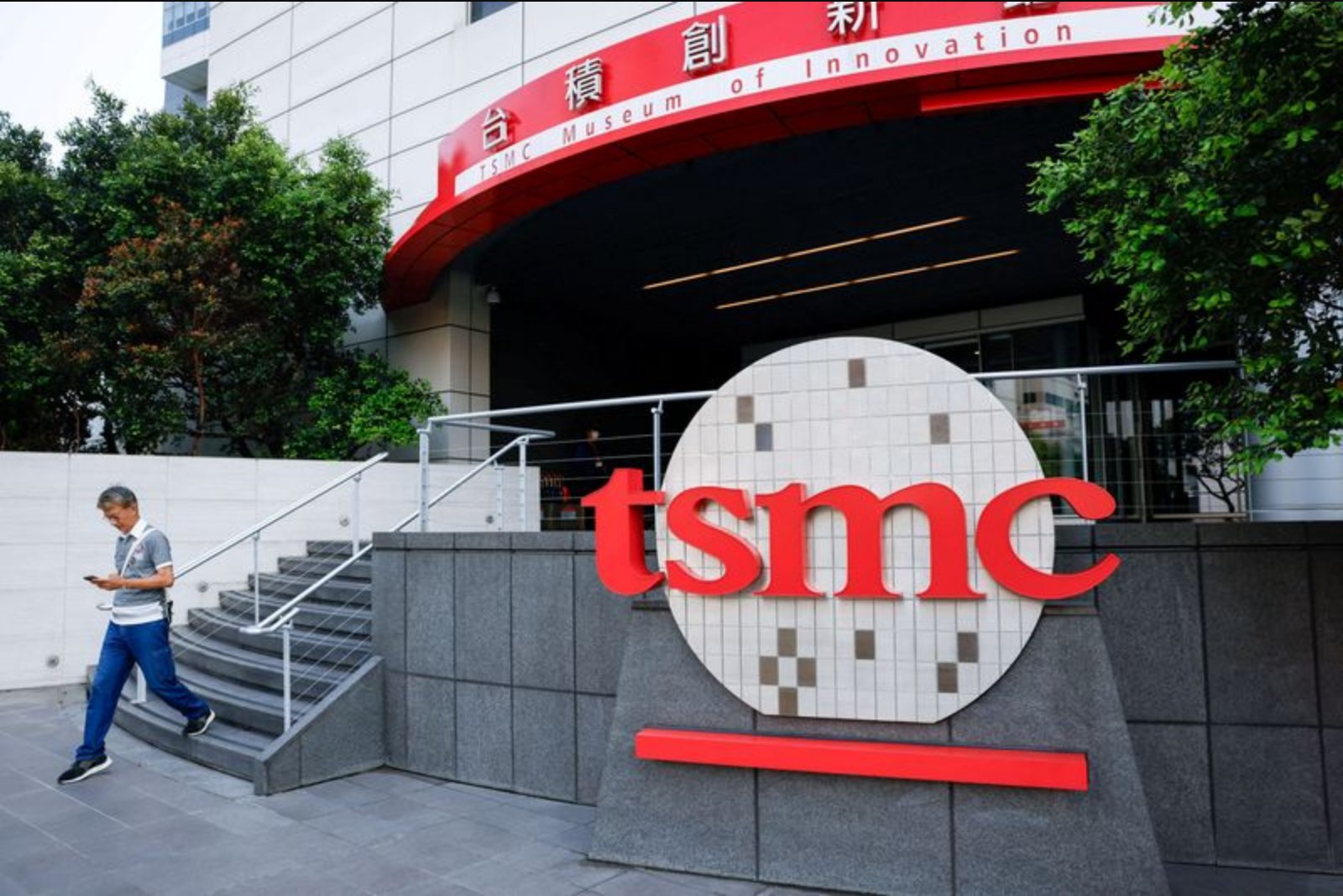
Forecast upgrades from two of the semiconductor supply chain's most important companies - ASML and Taiwan Semiconductor Manufacturing Co (TSMC) - point to continued heavy investment in processors needed to power artificial intelligence. The results and management commentary this week indicate cloud-computing customers are maintaining aggressive purchase plans as they secure advanced chips for AI deployments.
TSMC said on an analyst call that demand remains very strong across its customer base. As Chief Executive C.C. Wei put it: "AI (demand) is so strong ... Our customers, and customers of customers - who are mainly the cloud service providers - continue to provide us with their very strong signal and positive outlook." The company raised its annual revenue forecast and confirmed it is accelerating capital spending this year to expand production for AI chips.
ASML, the largest supplier of semiconductor manufacturing tools, also raised its full-year revenue outlook earlier in the week. The firm’s stronger guidance was read by market watchers as broadly supportive of the semiconductor sector, even as some investors voice concern about an overextended AI thematic.
Those upgrading signals are consistent with continued strong demand for AI chip designers such as Nvidia, Advanced Micro Devices and Broadcom, each of which depends on TSMC's leading-edge manufacturing. Analysts and executives say market appetite is shifting toward more advanced processors required both to train large language models and to run them in a production setting - the latter often referred to as inference.
Investor scrutiny of large technology firms - including Microsoft, Meta and Amazon - has intensified, with calls for clearer returns on AI investments. That scrutiny has raised questions about the durability of the current chip spending cycle. Nevertheless, the companies that provide the cloud platforms are still projected to spend more than $600 billion this year on data centers, underscoring a large and ongoing capital outlay across the sector.
Industry participants point to a structural constraint that could temper growth: a concentration of capability among a small set of suppliers. With production capacity limited at the firms that make the most advanced chips and the machines to build them, chipmakers and cloud providers have moved to secure long-term capacity commitments.
ASML Chief Executive Christophe Fouquet warned that demand will exceed supply for the foreseeable future, creating tightness across markets ranging from AI workloads to smartphones and personal computers. TSMC executives reiterated capacity limits on Thursday and said the company is working aggressively to expand manufacturing capability so it can meet large-scale AI chip orders.
"Capacity is very tight, but we are working hard to make sure that we can meet customers' demand ... we are stepping up our capex investment to increase our capacity," Wei said, pointing to the company's efforts to scale production.
While the week's guidance from ASML and TSMC underscores robust demand dynamics across the AI hardware stack, it also highlights the practical constraint of limited manufacturing throughput. That combination - strong, concentrated demand alongside constrained supply - is shaping multiyear capacity agreements and increased capital expenditure across the semiconductor ecosystem.