
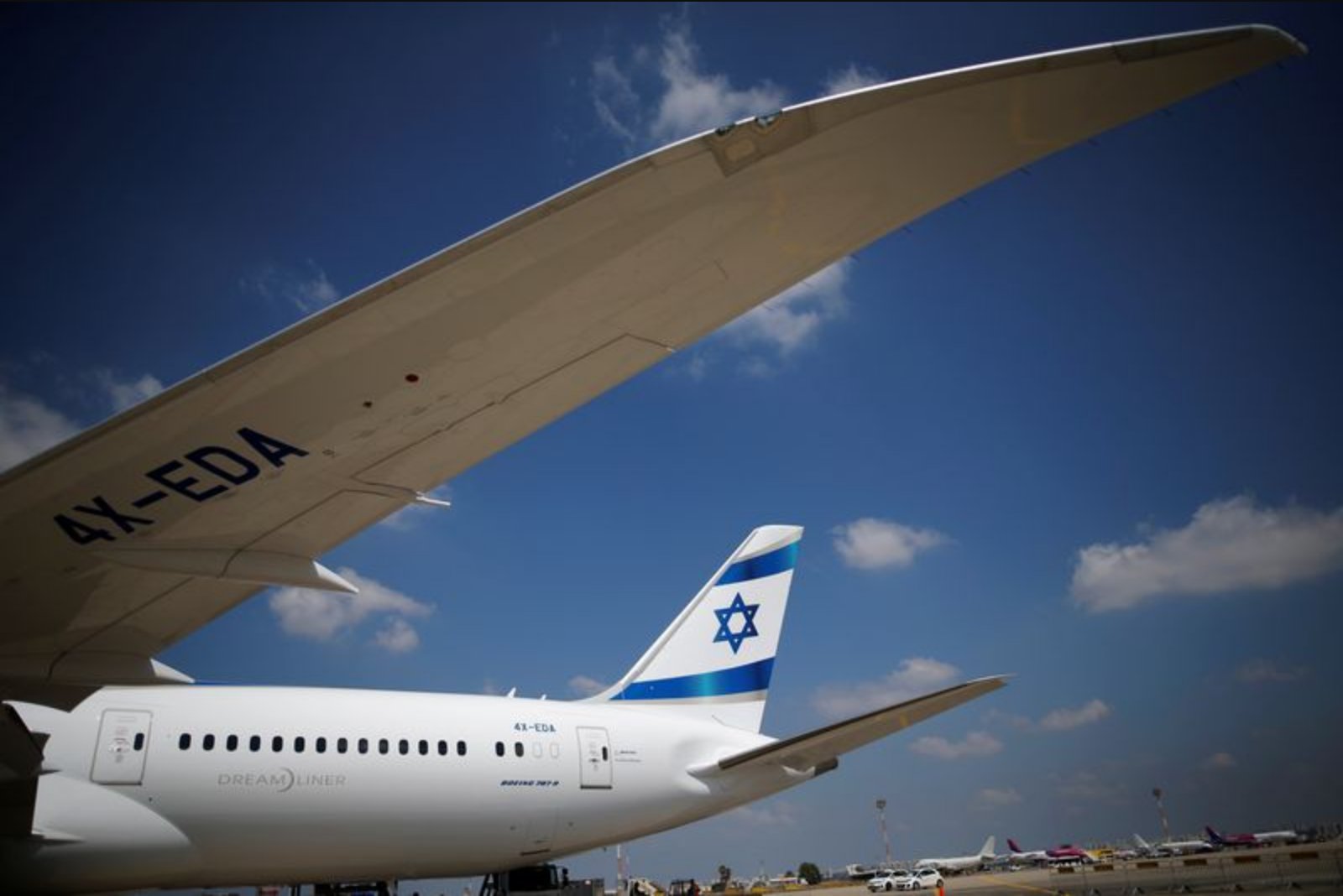
El Al Israel Airlines announced on Thursday that it will buy as many as 12 additional Boeing 787 Dreamliners in a transaction with a headline value of $1.5 billion. The agreement amends existing arrangements with the U.S. aircraft manufacturer and restructures several of El Al’s previously held options.
Under the updated agreement, El Al is exercising an option to purchase six more 787-9 aircraft. In addition, the airline is converting an option to buy four 787-9s into an option for the larger, more fuel-efficient 787-10 models. Those converted units are scheduled for delivery between 2030 and 2032.
Beyond those commitments, the carrier secured additional options to acquire up to six more 787 aircraft, intended for delivery between 2033 and 2035. El Al said it will assess financing structures closer to the respective delivery windows rather than locking in financing terms now.
"Expanding the 787 fleet allows us to increase capacity (and) improve efficiency," said chief executive Levy Halevy. "This is a key step in our strategy to build a modern, profitable and market-leading airline." The company currently operates 17 Boeing 787s and has set a target of 28 by the end of the decade, with a potential eventual fleet size of up to 34 Dreamliners.
The Dreamliners are expected to play a central role on El Al’s long-haul routes, including flights to the United States and Asia that the carrier views as high-yield. The announcement underlines El Al’s continued preference for Boeing aircraft; the airline has maintained an all-Boeing fleet since its founding in 1948.
The company’s longstanding Boeing relationship traces back to an earlier order tied to the 787 program. In 2016, El Al committed to an initial 15 787 aircraft in a deal worth $1.25 billion. More recently, in 2024, the airline purchased three 787-9s and retained an option for six more. That same year it signed a separate agreement for up to 30 Boeing 737 MAX short-haul jets, a deal valued at up to $2.5 billion.
Industry observers and company partners say the all-American fleet choice carries political signaling in addition to commercial considerations. "By choosing an all American fleet, it’s a strong sign to the Trump Administration," said Mark Feldman, CEO of Ziontours.
El Al’s expansion occurs against a backdrop in which foreign carriers have curbed or halted services into Israel during periods of conflict. With many international airlines reducing operations through the Gaza conflict and following the onset of hostilities with Iran, El Al rebounded to near monopoly status on routes to and from the country. The company’s financial results have reflected that rebound: El Al reported a net profit of $410 million in 2025, following net income of $545 million in 2024 and $117 million in 2023.
Nevertheless, some passengers have pushed back against ticket prices, voicing anger at elevated fares in the absence of competing foreign carriers. Feldman warned that foreign carriers would eventually resume services and that El Al must expand its North American and Asian networks to remain competitive once market dynamics normalize.
In the domestic market, El Al’s shares were trading down 1.9% in afternoon trade in Tel Aviv following the announcement.
Operational and market context
- El Al is converting selected 787-9 options into 787-10s to capture the efficiency gains of the larger model while confirming purchases of additional 787-9s.
- The aircraft are intended for long-haul, high-yield routes to the United States and Asia.
- Financing for the new deliveries will be considered closer to their scheduled arrival dates in 2030-2035.