
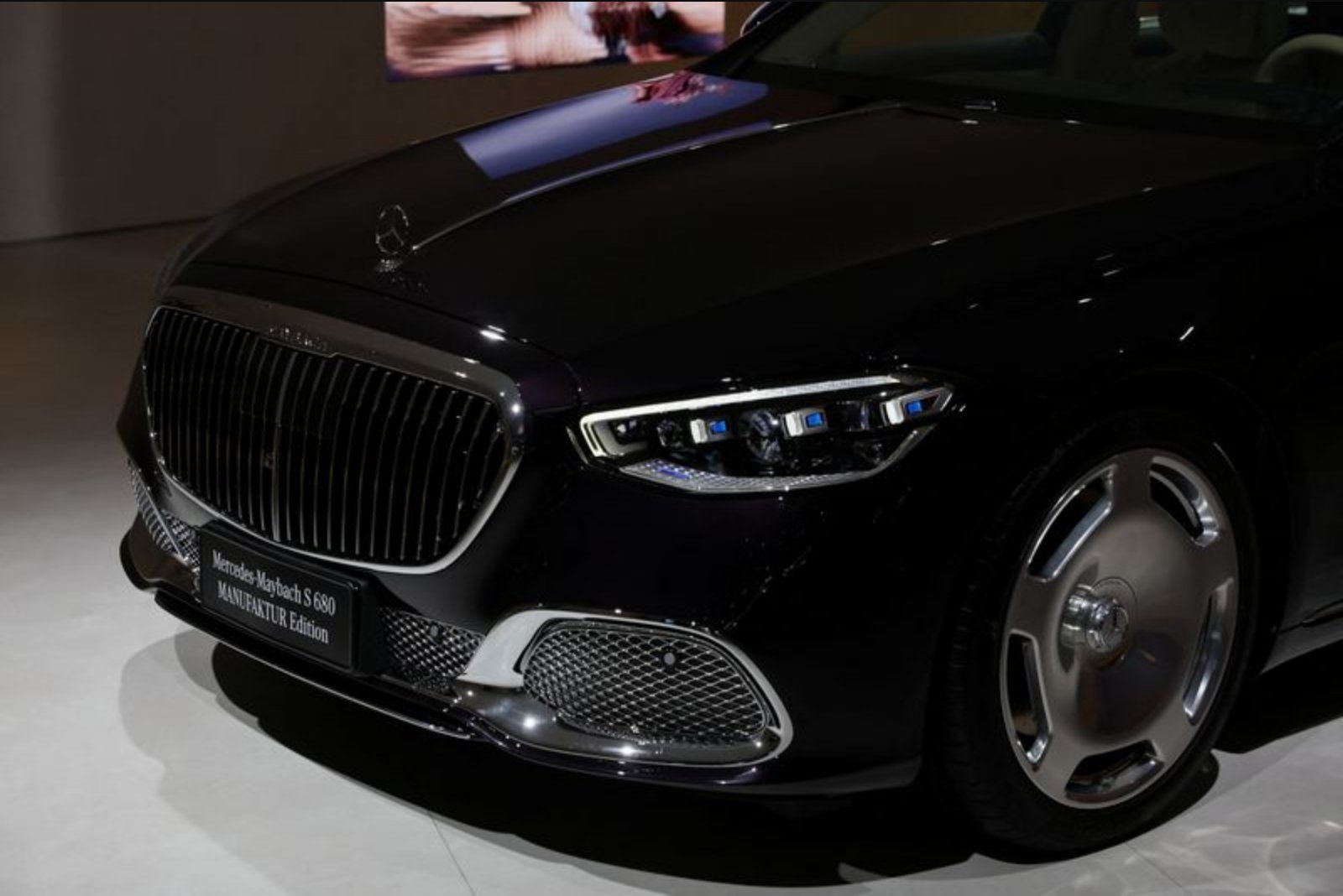
Investors used Mercedes-Benz’s annual shareholders’ meeting to press the Stuttgart-based automaker on its roadmap for regaining traction in China, warning that an emphasis on luxury models could limit its ability to recapture customers after a notable sales slump.
Like peers BMW and Audi, Mercedes has ceded ground in China’s massive auto market, struggling to match the pace of local manufacturers such as BYD, NIO and Li Auto. Those domestic rivals have been gaining share by offering feature-rich premium vehicles at lower price points, challenging the traditional European premium brands.
At the meeting, shareholders raised questions about whether Mercedes is moving quickly enough to align its technology strategy with Chinese consumer preferences. Moritz Kronenberger of Union Investment, a top-20 shareholder with roughly $276 million of Mercedes stock, argued that Chinese customers prioritise technical innovation over heritage. He said: "Customers in China today buy innovation, not tradition. Anyone who isn’t a technological leader there becomes a status symbol of a bygone era."
Kronenberger also criticised Mercedes’ product development direction, noting the company’s practice of expanding from its high-end S-class range downward rather than pursuing a broader, mass-market approach similar to that used by Chinese competitors.
Tanja Bauer of Deka Investment, which holds about $191 million of Mercedes shares, echoed those concerns during her remarks, highlighting what she called "the risk of an overly narrow focus on luxury" for the brand in China.
Mercedes has announced a significant lineup refresh for China, promising seven new models by 2027 and the rollout of advanced driving assistance systems developed in partnership with Chinese technology firm Momenta. CEO Ola Kaellenius described the initiative as the company’s largest product and technology offensive to date and said it is supported by local development and strategic partnerships. He added: "This enables us to accelerate innovations tailored to the needs of Chinese customers."
The urgency of the strategy is underscored by recent sales figures. Mercedes’ vehicle deliveries in China dropped 19% last year to 552,000 units, with the decline accelerating to 27% in the first quarter of 2026.
Addressing investor concerns on financial targets, finance chief Harald Wilhelm told shareholders: "We have clearly defined, ambitious yet realistic goals for China. In the medium term, we are aiming for annual sales of 500,000 to 600,000 vehicles in China."
Summary - Shareholders warned that Mercedes’ luxury-centric strategy might hamper its efforts to regain Chinese customers following sizable sales declines. Mercedes outlined plans for seven new models by 2027 and new driving assistance systems developed with Momenta, while reaffirming medium-term sales targets of 500,000 to 600,000 vehicles per year in China.
Key points
- Investors cautioned that a narrow focus on luxury could weaken Mercedes’ standing with Chinese consumers, affecting automotive and luxury goods sectors.
- Mercedes plans seven new models by 2027 and advanced driving assistance systems co-developed with Momenta, signaling a major product and technology offensive in China.
- Company sales in China fell 19% last year to 552,000 vehicles, with a 27% decline in Q1 2026; management targets 500,000-600,000 annual sales in the medium term.
Risks and uncertainties
- Risk that persisting emphasis on luxury reduces appeal to Chinese buyers seeking technology-driven value - impacting automakers and related suppliers.
- Competitive pressure from local brands offering tech-rich premium cars at lower prices could further erode market share - affecting automotive market dynamics in China.
- Continued sales declines could challenge the company’s ability to meet its medium-term sales objectives in China, with implications for revenue and regional operations.