
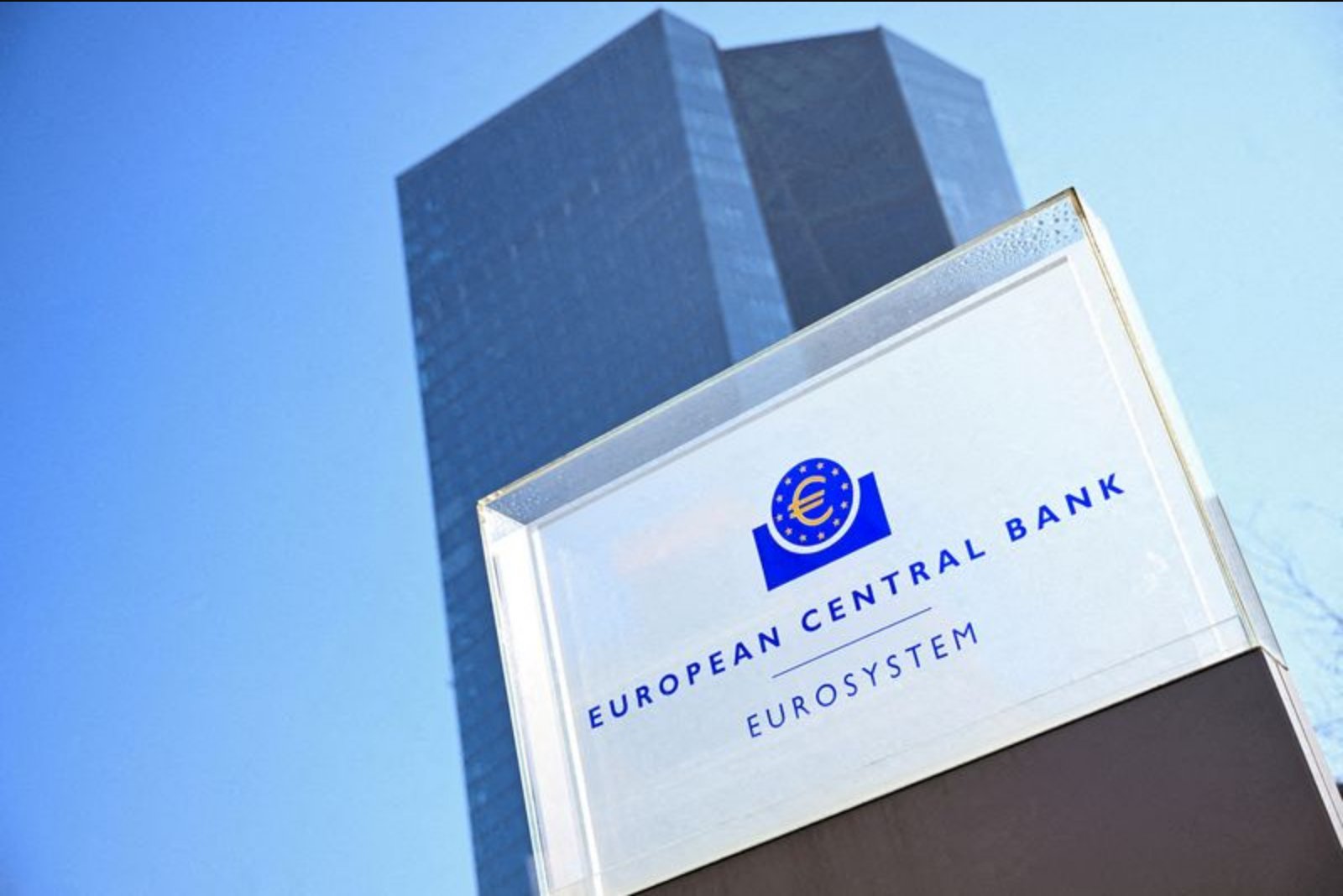
European Central Bank policymakers cannot categorically rule out raising interest rates at the April 30 policy meeting, Latvia's central bank chief Martins Kazaks said, even as energy costs track close to the bank's baseline projection and the feared secondary inflation effects have not yet appeared.
Speaking on the sidelines of an international finance meeting in Washington, Kazaks framed each policy gathering as "live," noting there are still two weeks until the April 30 date and that "quite a lot can happen until then and it’s not appropriate to provide calendar-based forward guidance." That comment underscores the ECB's insistence on preserving flexibility in the face of volatile energy markets following a sharp rise in costs after the war in Iran.
Kazaks downplayed the practical significance of choosing between the April and June meetings, saying the six-week interval between them "would not make much of a difference" and that the bank already has the flexibility it needs to act if conditions warrant. Still, he acknowledged a shifting market view: policymakers speaking publicly and privately in recent days have appeared to steer markets away from expecting a move in April, while financial investors currently assign about a one-in-five chance to an April hike.
On the question of whether the recent energy shock has generated broader, second-round inflationary dynamics, Kazaks said the ECB has "not seen large second-round impacts materialise up to this point." He added, however, that this observation should not be read as reassurance that such effects will not emerge. "But this doesn’t mean it won’t happen and when it does, we need to be ready to act," he said.
Markets have largely abandoned the idea of an April increase, with a policy move by July fully priced in by investors and a further step expected by December. Kazaks described those market expectations as "reasonable," and said a 25 basis point increase would serve mainly as a signal: "One move of 25 basis points wouldn’t do much more than signalling."
Energy prices, Kazaks noted, are not far from the ECB’s baseline forecast, but they remain volatile and the outlook is "far too uncertain," necessitating vigilance. That volatility has prompted concern not only about direct impacts on consumer prices but about behavioural responses from firms and labour.
Kazaks flagged an additional risk that could speed the inflation cycle: firms and labour unions reacting more quickly to the energy shock than in previous episodes. "Given the recent experience with inflation, firms may respond more quickly in adjusting pricing, and workers are likely to be quicker in demanding wage adjustments," he said. "This could make the whole inflation cycle ignite quicker."
The policymaker's remarks highlight the balancing act facing the ECB: weighing current data that do not yet show strong second-round effects against the possibility that rising energy costs and faster price-setting or wage demands could accelerate inflation and prompt a policy response.
Context for markets and policymakers
- The bank's key policy rate target remains the 2% benchmark, which is the focal point for any decision on tightening.
- Market pricing shows lower odds of an April move but expects a hike by July and a subsequent action by December.
- Kazaks emphasised the importance of being prepared to act should second-round effects or faster wage-price dynamics emerge.