
ASML Holding NV's valuation standing among U.S. chip-equipment makers has tightened to the lowest level observed in about a decade. The Amsterdam-listed company is currently trading at roughly 37 times projected earnings for the next 12 months, compressing its premium to U.S. rivals.
Specifically, ASML's multiple is about 17% higher than that of Applied Materials Inc., a gap that has narrowed to the smallest level recorded since 2014. At the same time, ASML's forward price-to-earnings ratio is approximately 5% below Lam Research Corp., a relationship that has not been seen in 14 years. The firm's forward P/E also sits just beneath KLA Corp.
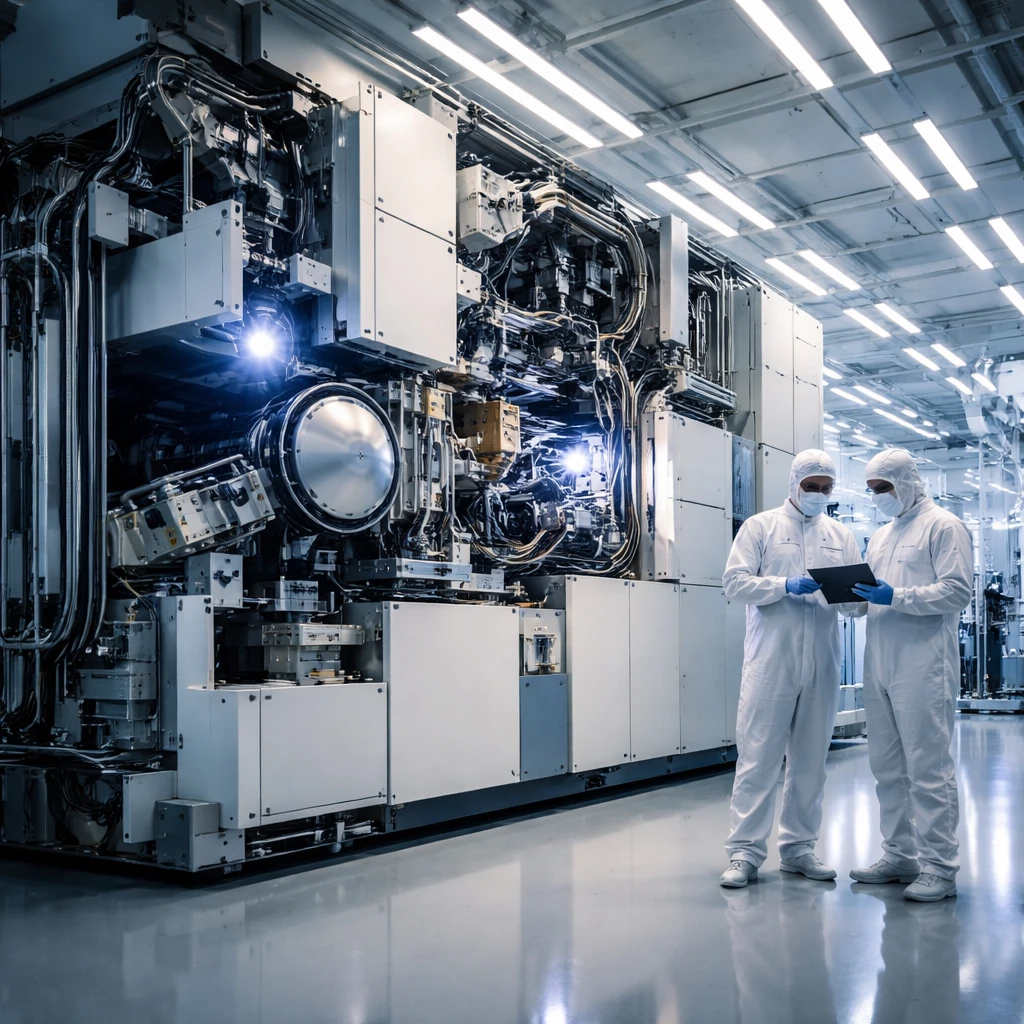
These valuation dynamics are unfolding against a backdrop in which ASML remains the only provider of extreme ultraviolet (EUV) lithography machines, hardware that is essential to advanced semiconductor fabrication. That exclusive supply position continues to distinguish the company within the equipment segment.
On performance, ASML's stock has climbed 36% year-to-date on investor optimism tied to AI-driven demand in data centers. However, U.S. equipment peers have posted larger gains over the same period: Applied Materials and Lam Research have each risen by more than 50% year-to-date.
Looking at slightly different horizons, ASML is trading at about 31 times next fiscal year's earnings, a level above its five-year average of 22 times. The company also updated its outlook during the week by raising its sales guidance for the year.
Market context
The narrowing valuation premium means ASML's lead over U.S.-listed equipment makers has diminished even as the company retains its technological exclusivity in EUV systems. The relative moves in share prices of Applied Materials and Lam Research have contributed materially to this shift in comparative valuation.
What to watch
- How the adjusted sales guidance affects investor expectations for ASML's near-term growth.
- Whether the stronger gains in U.S. peers continue to close valuation gaps further.
- The degree to which AI-driven data center demand sustains momentum for equipment makers.