
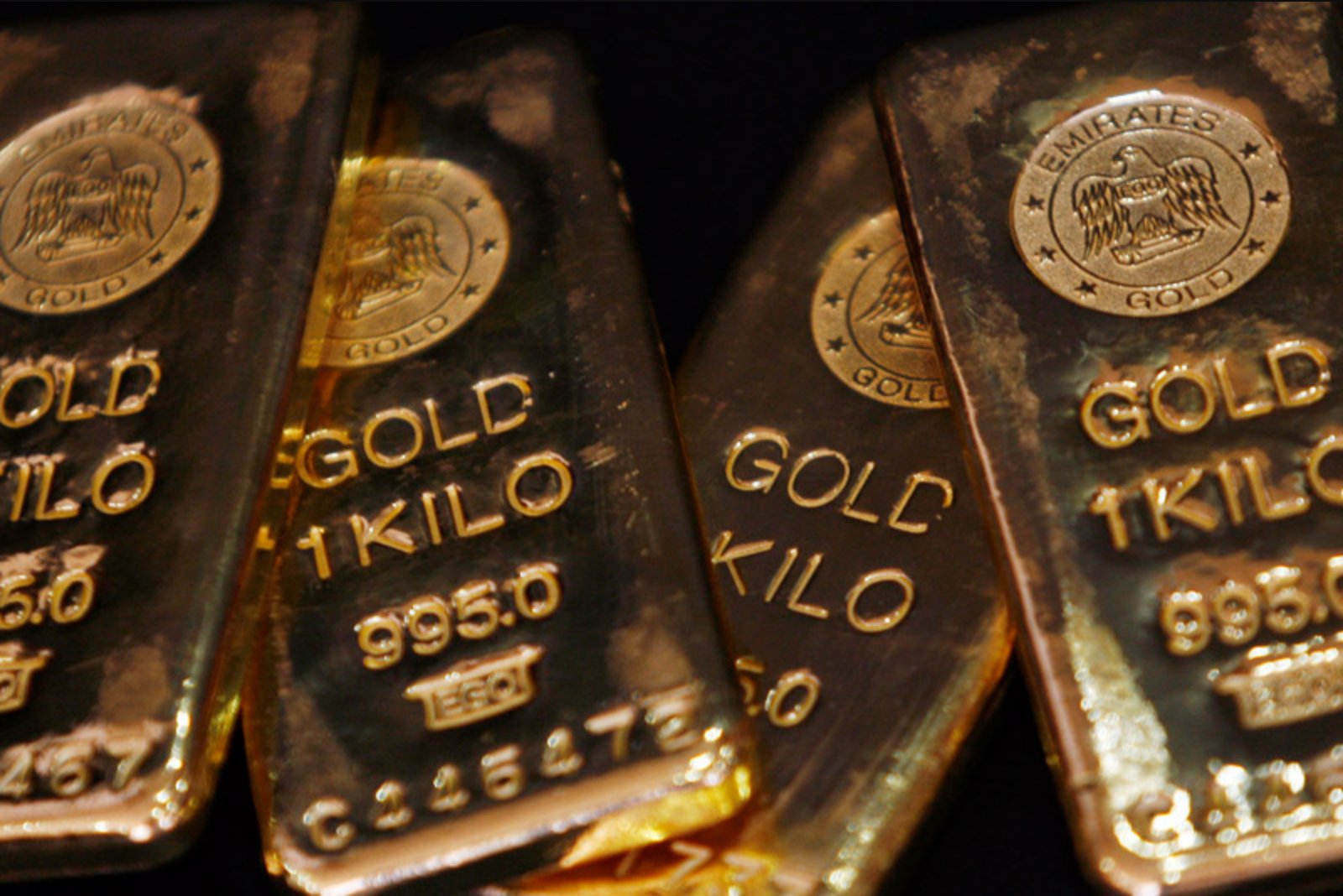
Gold moved higher in Asian trading on Thursday as a sustained weakening of the U.S. dollar supported metal markets, with attention fixed on the prospect of further ceasefire discussions between Washington and Tehran.
The metal lingered near a nearly one-month peak reached on Wednesday amid growing hopes that de-escalation in the Iran conflict could improve risk appetite and ease worries about persistent inflation pressures.
Market moves
XAU/USD increased 0.9% to $4,835.09 an ounce, while gold futures rose 0.7% to $4,857.05/oz by 01:21 ET (05:21 GMT). Other precious metals also gained ground: spot silver jumped 2.4% to $80.8165/oz, and spot platinum climbed 1.6% to $2,147.21/oz. Both silver and platinum remained close to one-month highs.
Dollar dynamics and risk sentiment
Broad metals benefited from continued dollar weakness, as improving risk appetite sapped demand for traditional safe-haven assets. The dollar fell for a ninth consecutive session and hit a six-week low on Thursday. The currency’s slide was also underpinned by softer producer inflation data released earlier in the week, which weighed on market expectations for monetary tightening.
Geopolitical developments in focus
Political comments and military movements kept traders on edge. U.S. President Donald Trump signaled this week that extended talks with Iran may be possible in the coming days and suggested that an end to the Middle East war was near. He also said separate talks between Israel and Lebanon would be held in Washington on Thursday.
Those statements came amid reports that the U.S. was deploying thousands of additional troops to Iran, and that a naval blockade against the country took full effect this week. Despite the build-up and the blockade, a ceasefire between the two sides appeared to be holding for the moment.
Markets are awaiting further negotiations between Washington and Tehran, particularly because the current ceasefire is scheduled to expire on April 21.
Industrial metals: copper reacts to Chinese GDP
Copper prices were positive on Thursday after China, the world’s largest copper importer, reported first-quarter gross domestic product that surpassed expectations. Benchmark copper futures on the London Metal Exchange rose 0.5% to $13,350.33 a tonne, while COMEX copper futures increased 0.8% to $6.1250 a pound.
Official data showed China’s economy expanded 5% in the first quarter, indicating a robust start to 2026. The growth was driven chiefly by exports, reflecting continued overseas demand for Chinese manufactured goods. Market participants said that sustained external demand is likely to keep local appetite for copper firm in the coming quarters.
However, the report noted that China’s economy still faces headwinds linked to the Iran conflict. Higher fuel prices are expected to temper already fragile local consumer spending, while potential disruptions to global shipping could weigh on export volumes and, in turn, industrial metals demand.
Outlook
For now, the combination of a softer dollar, hopes for further diplomatic engagement, and encouraging Chinese GDP figures has supported commodity prices across precious and industrial metals. Yet the situation remains fluid: markets are closely monitoring whether talks between the U.S. and Iran progress and whether the ceasefire holds beyond its April 21 expiration date.