
Overview
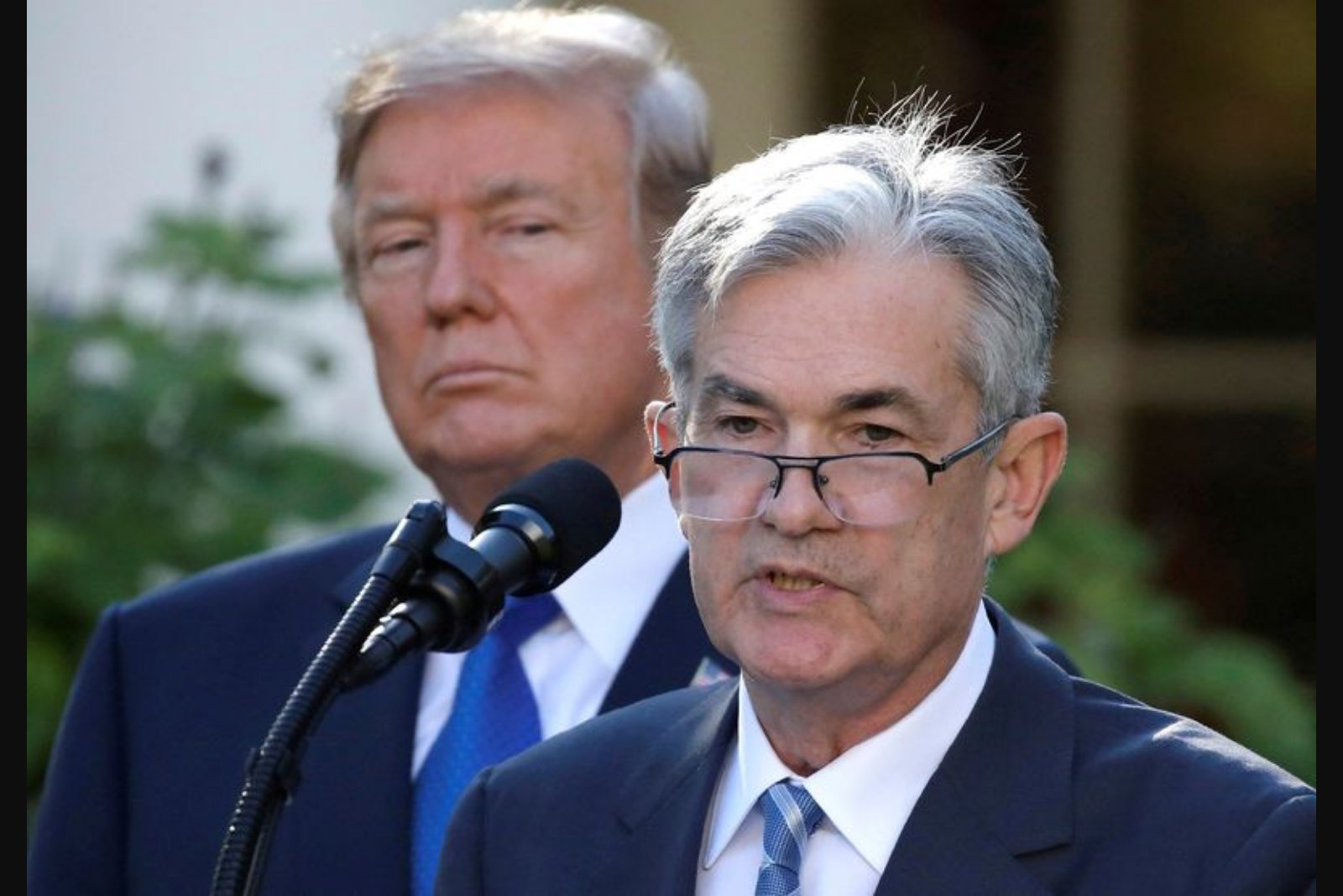
The anticipated, orderly handoff of Fed leadership to President Trump’s nominee Kevin Warsh is coming under growing strain as the confirmation timetable confronts political and legal roadblocks. Senator Thom Tillis has publicly pledged to stall the process until the Department of Justice completes an inquiry into how Fed Chair Jerome Powell managed renovations at the central bank’s Washington headquarters. That obstruction raises the prospect that Warsh may not secure full Senate confirmation before Powell’s term expires on May 15.
Immediate timeline and procedural friction
The Senate Banking Committee has scheduled a hearing on Warsh’s nomination for next Tuesday. Committee chairman Senator Tim Scott, a Republican, expressed confidence that the Justice Department would finish its probe in the coming "several weeks," but there is no evident path yet to reconcile Tillis’s stated blockade with Scott’s optimism. Should the Senate fail to confirm Warsh by May 15, Powell has said he will remain as the pro tem chair of the Fed’s seven-member Board of Governors, citing the law and precedent.
President Trump has indicated he would remove Powell if the chair stayed on after that date. Any attempt by the White House to fire Powell would be without modern precedent and would likely trigger litigation. The administration’s prior effort last summer to oust Fed Governor Lisa Cook resulted in a case that is currently pending before the U.S. Supreme Court, and Cook remains in her post.
Justice Department probe and recent developments
The dispute centers on a DOJ investigation into Powell’s role in overseeing renovations at the Federal Reserve’s headquarters. A federal judge recently quashed subpoenas issued by the government, describing them as little more than an effort to pressure Powell to reduce interest rates. The White House has said it wants the probe to proceed despite that judicial rebuke.
U.S. Attorney for the District of Columbia Jeanine Pirro, described in reporting as a close ally of the president, has pledged to appeal the judge’s decision. In a recent episode underscoring tensions, two government prosecutors and an investigator attempted to tour the Fed renovation site but were turned away. The visit prompted an email rebuke from a Fed attorney and drew public ridicule from Senator Tillis, who tweeted a photograph of the Three Stooges in response to the incident.
Possible White House options and legal boundaries
Analysts note the White House could pursue alternative paths if Warsh is not confirmed in time, such as naming another Fed governor to lead, with Stephen Miran cited as one possible candidate. Whether such a substitution would withstand judicial scrutiny is uncertain. Historical precedent offers limited guidance: in 1978 President Jimmy Carter appointed Arthur Burns to serve as acting Fed chief while his nominee awaited confirmation, but that action predated later statutory changes. The Federal Vacancies Reform Act of 1998 now constrains a president’s ability to designate acting leaders for multi-member boards, further complicating potential maneuvers.
Derek Tang of forecasting firm LH Meyer observed that the White House can choose whether to challenge existing limits, noting such legal escalation could unsettle market confidence in the Fed. Even so, markets have so far shown little visible reaction to the unfolding political dispute.
Policy backdrop and market considerations
The Fed’s policy choices are unfolding against a backdrop of elevated energy prices related to the Iran war, which are contributing to higher inflation and squeezing household budgets. Given those pressures, the central bank is widely viewed as unlikely to cut interest rates in the near term. Krishna Guha, vice chairman at Evercore ISI, warned that political pressure on the Fed amid an energy-price shock is not risk-free: even if legal challenges ultimately fail, there is at least a marginal risk that inflation expectations could rise on concerns the Fed may be constrained in its ability to steer inflation back toward target over the medium term.
Senate dynamics and confirmation odds
At next week’s hearing, Warsh is expected to encounter a Republican-majority panel that may be inclined to support him, while Democratic members are likely to press aggressively, arguing that confirming the president’s choice could jeopardize the Fed’s institutional independence. The White House has reiterated its objective of securing Warsh’s confirmation quickly. A spokesman said the administration remains focused on working with the Senate to effect a rapid confirmation.
Practical hurdles remain: the Senate has historically moved from hearing to confirmation in under a month only once, and that instance concerned a routine Fed governor nomination rather than the appointment of the central bank’s leader. The compressed timeframe and the added complication of the DOJ inquiry make a sub-month confirmation for Warsh a steep challenge.
Political calculus and reputational risks
As some inside and outside the White House weigh the apparent benefits of installing an ally at the Fed’s helm, others point to the potential reputational risk of having a new chair take the blame for persistently high inflation. Derek Tang cautioned that with inflation likely to remain elevated over the coming months, the political cost of appointing an ideological appointee could be significant if that individual becomes associated with maintaining restrictive rates.
Conclusion
The path to a smooth transition at the Federal Reserve is narrowing. With the subpoena fight unresolved, Senate opposition from a key Republican, and legal constraints on temporary appointments, policymakers and markets face an unusual degree of uncertainty about who will lead the central bank after May 15. How the White House and Senate choose to proceed - whether through litigation, alternative appointments, or conceding to statutory processes - will determine whether the Fed confronts an orderly handoff or a protracted leadership dispute.
Contact the newsroom for follow-up on committee schedules or statements referenced in this report.