
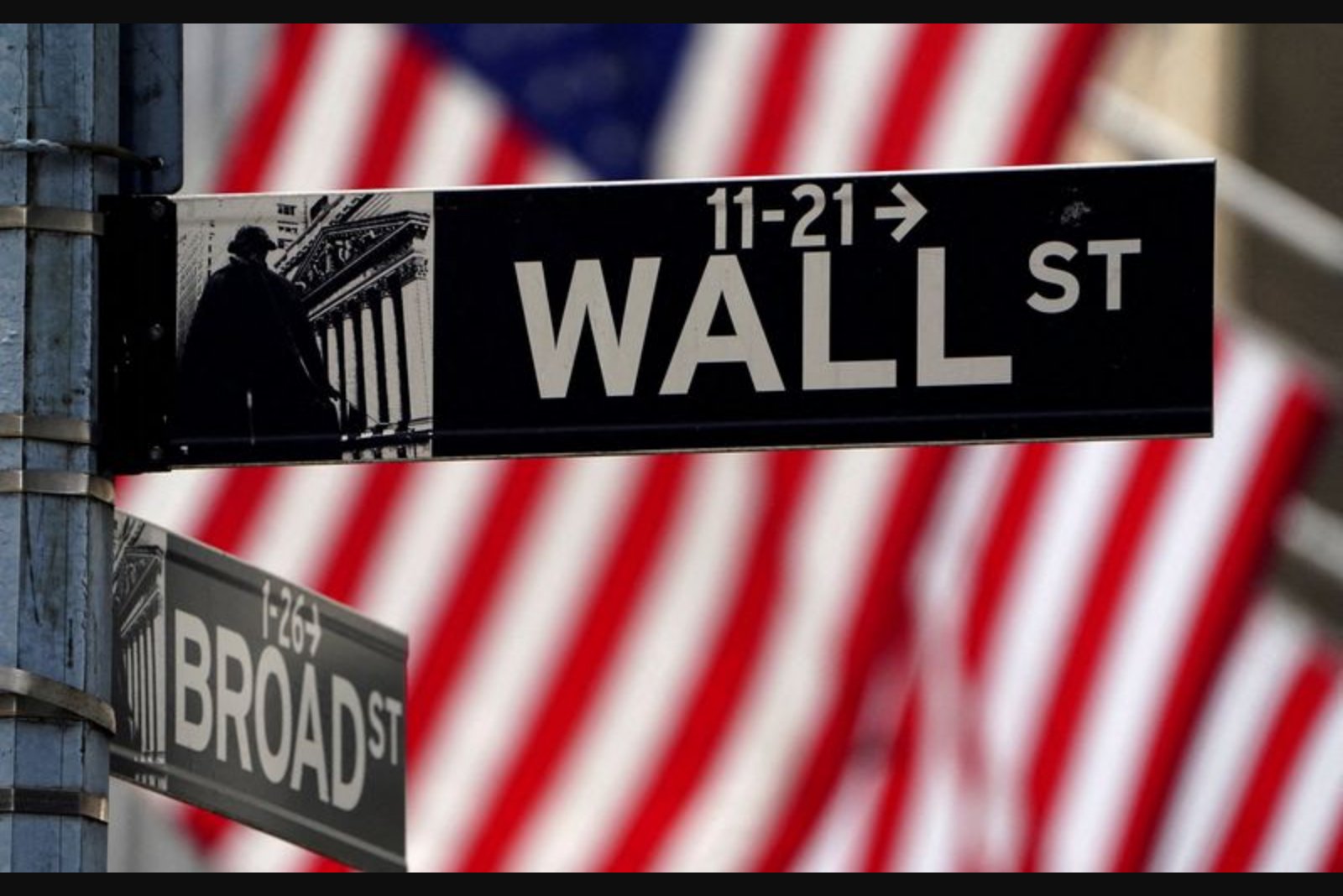
Major U.S. banks reported divergent outcomes for the first quarter, with market turbulence linked to the Middle East and sector-specific selloffs helping trading operations while casting doubt on the pace of dealmaking. The quarterly results provide an immediate gauge of how households and businesses are coping with higher borrowing rates, constrained spending and economic uncertainty.
Trading desks post outsized gains
Markets were highly unsettled during the quarter, driven by a selloff in global technology stocks amid concerns over AI-driven disruption, conflict in Iran and anxiety around the private credit market. The turbulence extended across asset classes, affecting equities, fixed income and commodities, and proved especially lucrative for bank trading units. Traders on Wall Street emerged as the primary beneficiaries of the market dislocation, delivering a significant portion of the profit beats reported by large banks.
Dealmaking outlook remains fragile
Banks had been hoping for a stronger rebound in deal activity this year, and some signs of that recovery appeared in 2026 with a number of larger transactions and the expectation of a major initial public offering slated for the summer. Nevertheless, the recent market swings have dampened that optimism. Analysts cautioned that if the regional conflict persists, the path for investment banking could be uneven. "The banks were understandably reticent to be too bullish in their outlook statements, given the range of possible outcomes to the Middle Eastern conflict and the peace talks," said Russ Mould, investment director at AJ Bell.
Loan demand and credit trends
Interest income increased across the four largest U.S. lenders in the quarter as loan demand picked up. Borrowers appeared more willing to take on new debt, which supported net interest income at the biggest institutions. At the same time, banks signaled caution: lingering weaknesses in labor markets and an unpredictable Federal Reserve rate path are likely to temper lending enthusiasm. Overall credit quality held broadly steady, with only modest changes noted by banks, though investors are paying close attention to potential stress in private credit exposures. "Private credit is still just a smaller part of the overall credit spectrum. While there are some major headlines, the banks are in great shape to weather what’s going on," said Macrae Sykes, portfolio manager at Gabelli Funds.
Profit performance versus expectations
All six major banks covered delivered profit increases that topped analysts' forecasts, a result largely driven by strength in trading and some gains from deal activity. That outperformance reflects how market volatility can translate into higher revenues for trading operations even as other business lines face headwinds.
Equity market reaction
An index tracking large-cap bank stocks has fallen 1.8% year-to-date through the close of April 14, underperforming the broader S&P 500 index, which is up 2% over the same period. Investors remain uneasy over private credit concerns and broader economic uncertainty, weighing on bank share performance despite the recent earnings beats.
How the major banks fared
- JPMorgan - profit beats expectations on record trading revenue, strong dealmaking
- Bank of America - beats profit estimates as trading, investment banking shine
- Wells Fargo - misses expectations on interest income, revenue; shares fall
- Citi - profit beats estimates as market volatility lifts trading revenue
- Goldman Sachs - beats profit estimates, weak fixed income trading drags down shares
- Morgan Stanley - profit beats estimates on record trading revenue, dealmaking boost
What to watch next
Investors and analysts will continue to monitor whether trading gains can be sustained if volatility eases, how long the geopolitical tensions might affect market confidence, and whether lending and deal pipelines firm up in the months ahead. The first-quarter results underscore the sensitivity of banks' revenue mixes to sudden market moves and the importance of credit trends as a constraint on future growth.
While trading windfalls helped push profits past expectations in the first quarter, banks emphasized a cautious tone as they weigh the possible impacts of an extended regional conflict and an uncertain rate environment on lending, dealmaking and asset quality.