
Summary
The U.N. Independent International Commission of Inquiry on the Occupied Palestinian Territory, including East Jerusalem, has voiced alarm over reports that a prominent Gaza-based physician detained by Israeli forces in December 2024 has been subjected to abuse while held in Israel. The commission called for the immediate release of the detainee, identified as Hussam Abu Safiya, director of Kamal Adwan Hospital. Rights organizations and the doctor’s lawyer say his life is in imminent danger and that he remains held without charge.
Commission statement and allegations
In a formal statement, the U.N. inquiry said the reported conduct of the Israeli authorities towards Dr. Abu Safiya reflects a wider pattern it has documented in previous reports. The commission said: "The actions of the Israeli Prison Service guards towards Palestinian detainees raise grave concerns of violations of international law that likely amount to international crimes. Dr. Abu Safiya’s medical condition is the direct result of these actions."
The inquiry’s language echoes earlier findings in which it identified alleged violations related to the treatment of healthcare facilities and professionals in Gaza. In September 2025 the same commission said Israeli authorities had committed genocide by targeting the healthcare system and medical personnel in Gaza since October 2023 - a characterization Israel rejected as scandalous.
Responses from Israeli authorities
An Israel Prison Service spokesperson responded to the allegations, saying: "The allegations and characterisations described are false, outrageous, and entirely without factual basis." The spokesperson did not name Dr. Abu Safiya in the response. The IPS has previously rejected assertions that Abu Safiya and other detained doctors were mistreated while in custody.
Claims from rights groups and legal representatives
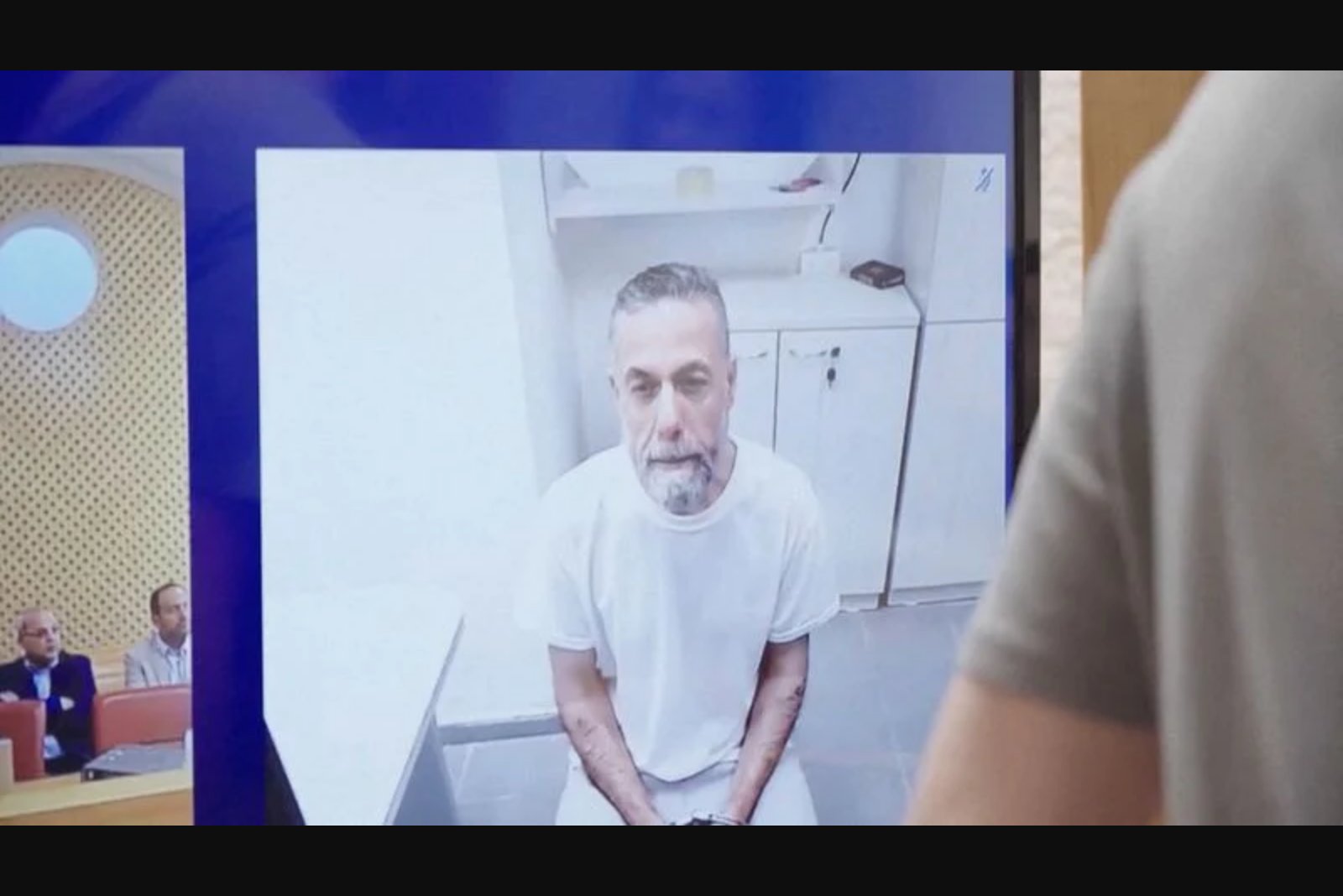
Israeli rights group Physicians for Human Rights Israel, along with Abu Safiya’s lawyer, have stated that he continues to be detained without charge and that his life is at imminent risk. Abu Safiya’s lawyer has alleged that he has been subjected to daily abuse and that his health condition has deteriorated while in detention. In June, Abu Safiya took part in a Supreme Court hearing in Jerusalem via video link; observers noted he appeared markedly thinner in the face and around his abdomen.
Independent assessments and legal findings
On Monday, a separate U.N. human rights body - the U.N. Working Group on Arbitrary Detention - determined that the detention of Abu Safiya is arbitrary and urged his immediate release. That body said Israel’s actions in this case contravened multiple articles of the Universal Declaration of Human Rights and the International Covenant on Civil and Political Rights. Israel has accused the U.N. inquiry of pursuing a political agenda and of operating beyond its mandate, and the state has declined to cooperate with the commission.
Context and implications
The U.N. commission framed the allegations against Israeli detention practices as part of a broader pattern of conduct affecting healthcare workers and medical infrastructure in Gaza, a pattern it has highlighted in prior reports. The commission and other U.N. mechanisms have used legal language that raises the prospect of serious international law concerns, while Israeli authorities have rejected those characterizations and contested the commission’s mandate and findings.
Reporting note: This account is based on statements and findings issued by the U.N. Independent International Commission of Inquiry, the U.N. Working Group on Arbitrary Detention, legal representatives of the detainee, and statements from the Israel Prison Service as described above.