
Stock Markets July 8, 2026 08:07 AM

HSBC pulls 'overweight' recommendation on emerging-market stocks as AI spending worries mount

Bank points to heightened Asian volatility and risks around AI-driven capital expenditure; simultaneously raises eurozone exposure

By Sofia Navarro
Share
Twitter Reddit Facebook LinkedIn

HSBC on July 8 abandoned its overweight recommendation for emerging-market equities, citing renewed volatility in Asia and concerns that a pullback in AI spending could hit EM Asian markets hardest. The bank flagged semiconductor and major technology names as particularly vulnerable while upgrading eurozone equities to overweight on expectations that a weaker euro and subdued growth forecasts will support regional stocks.

HSBC pulls 'overweight' recommendation on emerging-market stocks as AI spending worries mount
Summarize with
ChatGPT Perplexity Claude Grok Gemini

Key Points

  • HSBC removed its "overweight" recommendation on emerging-market equities, citing increased volatility in Asia and concerns about AI-related capital expenditure.
  • EM Asian equities experienced notable declines, with the MSCI EM Asia index falling over 2% and South Korea's KOSPI plunging 5.35% on the day, entering bear-market territory by falling more than 20 from a record close.
  • HSBC upgraded eurozone equities to "overweight", arguing that lower growth expectations and a weaker euro should support the region's stocks over the summer.

July 8 - HSBC has withdrawn its "overweight" stance on emerging-market (EM) equities, saying recent turbulence in Asian markets and growing investor worry about the sustainability of AI-related spending elevate downside risk for EM Asian stocks.

The bank pointed specifically to increased volatility across EM Asia, where large technology companies have come under pressure as investors express caution about debt-fueled AI investments and whether returns will justify that spending. HSBC strategists warned that any evident pullback in AI capital expenditure could disproportionately affect semiconductor names and, by extension, EM equities.

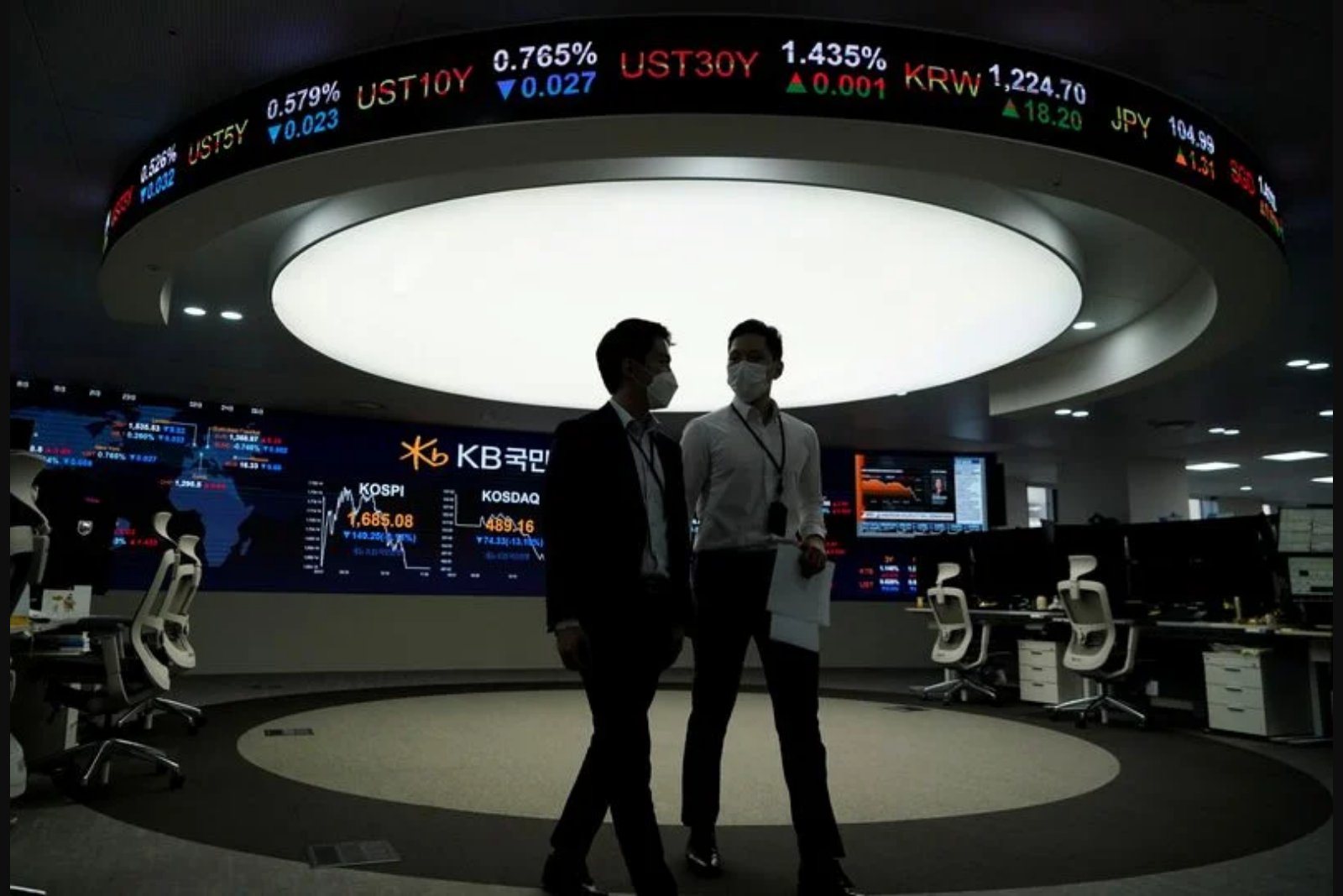
Market moves on Wednesday illustrated those concerns. The MSCI index that tracks EM Asian equities fell by more than 2% on the day, with selling broad-based but particularly driven by South Korean stocks. South Korea's benchmark KOSPI closed down 5.35% on Wednesday, a decline that puts the market more than 20% below its record close in late June and signals that it has entered bear-market territory.

Investors' nervousness intensified on Tuesday when selling pressure hit Samsung Electronics, even after the company forecast a 19-fold increase in second-quarter operating profit. HSBC's strategists said the episode underscored how fragile investor sentiment can be amid debates over the durability of the AI-driven cycle.

"At least for the next few weeks, the narrative of AI over-spending and any signs of AI capex being cut can hurt semi stocks and therefore disproportionately affect EM equities," the strategists said as they removed their bullish view on the asset class.

HSBC also noted other geopolitical and macro forces weighing on EM performance, including a flare-up in Middle East tensions that added to risk sentiment during the trading week.

In contrast to its decision on EM equities, HSBC upgraded eurozone equities to an "overweight" position. The bank said lower consensus growth expectations for the region and a softer euro should provide relative support to eurozone stocks through the summer months.


Market snapshot included in coverage:

  • MSCI EM Asia index: down more than 2% on Wednesday
  • KOSPI: closed 5.35% lower on the day and more than 20% below its late-June record close
  • Samsung Electronics (005930): experienced selling despite a forecast of a 19-fold jump in Q2 operating profit

Risks

  • A pullback or cuts in AI capital expenditure could disproportionately harm semiconductor stocks and, by extension, EM equities - particularly in Asia.
  • Heightened regional volatility, exemplified by sharp moves in South Korean stocks, could amplify losses across EM markets.
  • Geopolitical tensions in the Middle East may add to downside pressure on investor sentiment and EM asset performance.

More from Stock Markets

TD Cowen Names Agios Its Top Biotech Pick After Regulatory Win for Mitapivat Jul 8, 2026 Asyad Group Mulls Further Sale to Lift Asyad Shipping Free Float Jul 8, 2026 Target Shares Jump as Company Accelerates Beauty Strategy and Posts First Positive Comparable Sales in Five Quarters Jul 8, 2026 Orbital Land Rush Heats Up as Amazon Clears Initial Service Threshold and Rocket Lab Eyes Iridium Deal Jul 8, 2026 DWS Considers Switching Name to Deutsche Asset Management to Lift Global Profile Jul 8, 2026