
World July 8, 2026 04:38 AM

Trump Declares Interim Accord with Iran Finished, Says He Won't Engage Tehran

President announces end of memorandum intended as a 60-day ceasefire window as negotiations stalled and U.S. revokes oil export license

By Leila Farooq
Share
Twitter Reddit Facebook LinkedIn

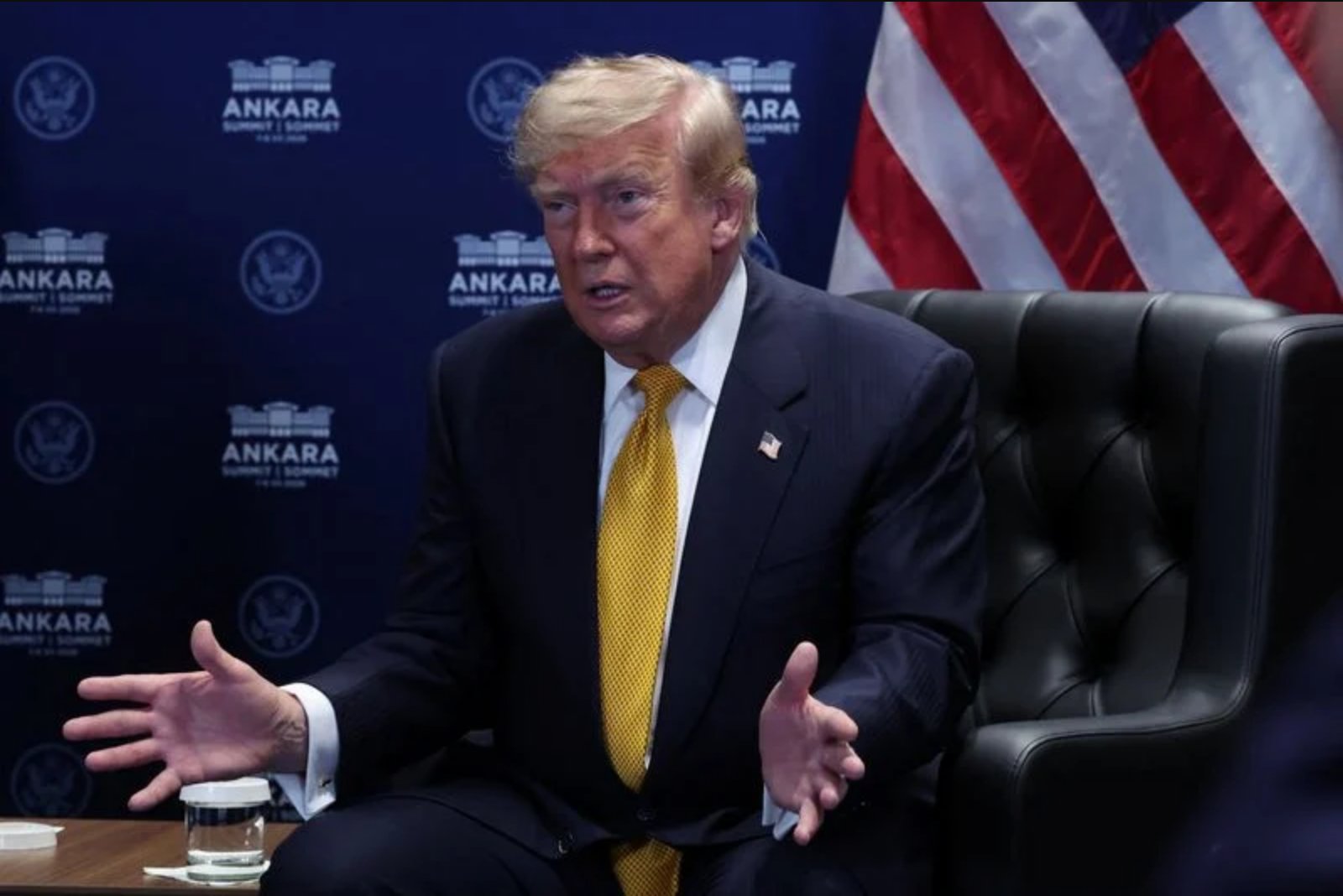
In Ankara on July 8, U.S. President Donald Trump said the memorandum of understanding with Iran to halt hostilities was 'over' and that he did not want to engage with Tehran. The interim ceasefire, brokered under Pakistani mediation to allow 60 days for talks, saw indirect negotiations in Qatar end without progress last week. The U.S. military carried out another round of strikes against Iran on Tuesday, and the U.S. revoked a Treasury general license permitting Iranian oil sales after three tankers were struck in the Strait of Hormuz.

Trump Declares Interim Accord with Iran Finished, Says He Won't Engage Tehran
Summarize with
ChatGPT Perplexity Claude Grok Gemini

Key Points

  • President Trump stated the memorandum of understanding with Iran to end the conflict is "over" and said he did not want to engage with Tehran - impacts diplomatic relations and geopolitical risk assessments.
  • The interim ceasefire, mediated by Pakistan and intended to provide a 60-day window for negotiating a permanent agreement, saw indirect talks in Qatar end last week with no progress - affects diplomatic channels and negotiation prospects.
  • The U.S. revoked a June 22 Treasury general license that permitted Iranian crude oil and petrochemical sales through August 21, giving Iran until July 17 to wind down transactions, following strikes on three tankers in the Strait of Hormuz - directly impacts energy markets and oil trade flows.

ANKARA, July 8 - U.S. President Donald Trump said on Wednesday that the memorandum of understanding reached with Iran to pause the conflict was "over," and that he did not want to deal with Tehran. Speaking ahead of a NATO summit in the Turkish capital Ankara, he made clear he considered further engagement futile.

The interim ceasefire arrangement, which was negotiated under the mediation of Pakistan, was designed to create a 60-day period during which negotiators could seek a permanent settlement. According to the terms reported, that window was intended to permit discussions without immediate escalation.

Those hopes were undercut after indirect talks held in Qatar concluded last week with no apparent progress. In addition, the U.S. military launched a fresh series of strikes against Iran on Tuesday, underscoring the breakdown in the temporary pause envisioned by the memorandum.

Addressing reporters alongside NATO Secretary General Mark Rutte, Trump used strong language to describe Iranian leaders and those around them, saying:

"To me, I think it’s over. I don’t want to deal with them."

"They’re scum. They’re sick people. They’re led by sick people."

"As far as I’m concerned, it’s just a waste of time dealing with them."

Separately, the U.S. took action on Iranian energy exports on Tuesday by revoking a license that had allowed sales of Iranian crude oil and related petrochemical and petroleum products. That general license was originally issued by the U.S. Treasury on June 22 to permit such sales through August 21 under the interim U.S.-Iran agreement.

When revoking the license on Tuesday, U.S. authorities gave Iran until July 17 to wind down any ongoing transactions covered by that authorization. The revocation followed an incident in the Strait of Hormuz in which three tankers were reportedly struck by projectiles, an event cited in conjunction with the decision to rescind the license.

The statements and actions described took place as leaders gathered in Ankara for a NATO summit, where discussions and diplomacy were ongoing. The sequence of stalled indirect talks, renewed military strikes, and the withdrawal of a Treasury-issued sales license mark a significant shift from the temporary framework that had been set to allow further negotiation.

Risks

  • Breakdown of the interim agreement and renewed military strikes elevate geopolitical tensions, which can increase volatility in energy and shipping sectors.
  • Revocation of the Treasury general license for Iranian oil sales tightens official permissions for transactions, potentially disrupting crude supply arrangements and affecting oil market participants during the wind-down period until July 17.

More from World

U.S. Defense Secretary Calls Off Netanyahu Meeting Amid F-35 Sale Concerns Jul 8, 2026 NATO Summit in Ankara Tests U.S. Commitment as Trump Rekindles Disputes Over Iran and Greenland Jul 7, 2026 Coffin of Iran’s Slain Supreme Leader Reaches Najaf Amid Multi-City Procession Jul 7, 2026 Lawsuit Claims U.S. Shared Iranian Asylum Files with Tehran; Department of Homeland Security Rejects Charge Jul 7, 2026 ICE Agent Fires Fatal Shot at Motorist During Houston Vehicle Stop, Agency Says Jul 7, 2026