
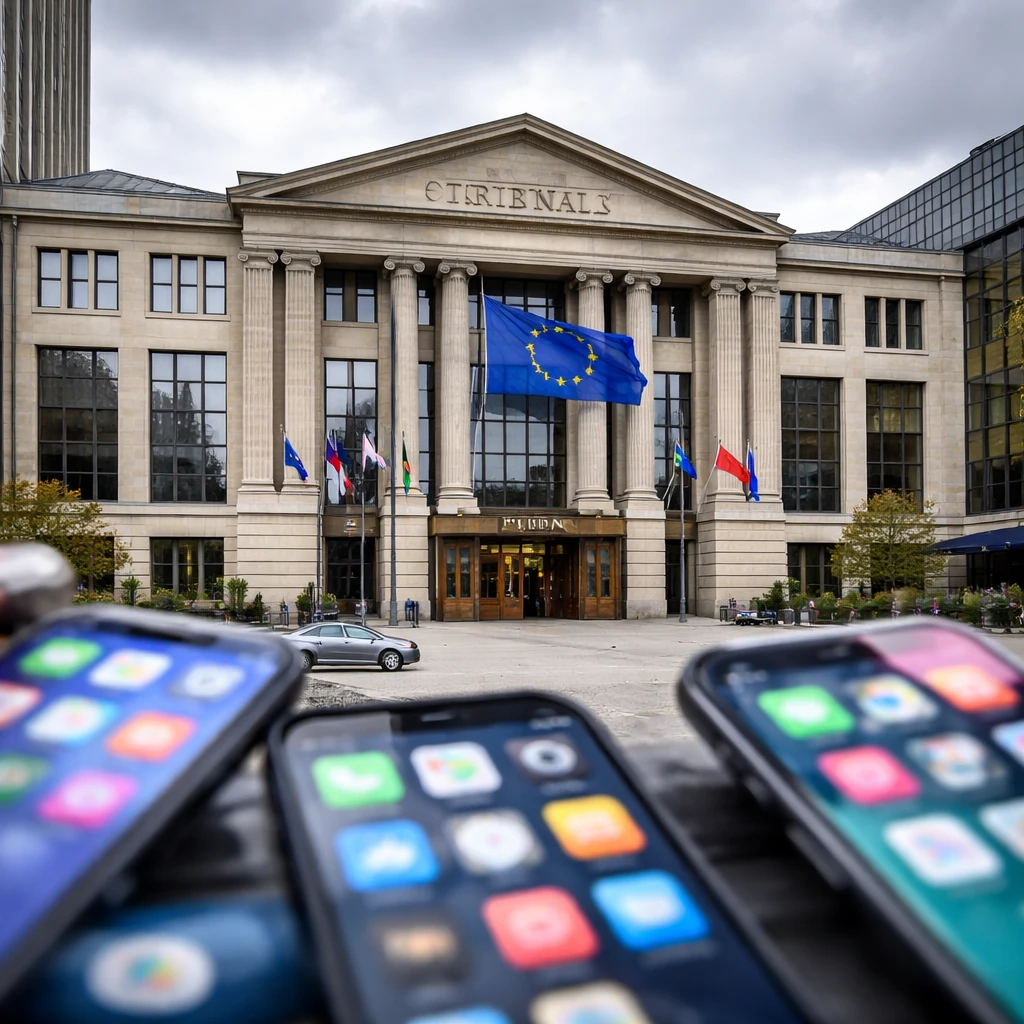
Luxembourg - The EU General Court has dismissed Apple’s challenge to the European Commission’s decision that the company’s App Store and iOS should be regulated as gatekeeper services under the Digital Markets Act (DMA).
In a ruling that upholds regulators’ earlier findings, the tribunal confirmed that both the App Store and the iOS mobile operating system fall within the DMA’s remit. The DMA sets a series of obligations for designated gatekeepers and provides for sanctions that can reach as high as 10% of a firm’s worldwide annual turnover.
The court's statement was direct: "The General Court dismisses Apple’s actions regarding its designation as a gatekeeper in relation to the App Store and iOS," affirming the regulator’s authority to bring the two services under the new regulatory regime.
Apple had mounted a multi-pronged legal challenge. Among the matters it contested were obligations that would require the company to permit rival hardware to interoperate with iPhone devices, the inclusion of the App Store - a major revenue source for the company - within the DMA framework, and separate scrutiny over whether its messaging platform, iMessage, should be subject to similar constraints. The court found Apple’s challenge relating to iMessage to be inadmissible.
An Apple spokesperson defended the company’s position in a prepared statement, arguing that the DMA "goes beyond what is lawful and proportionate, threatening to erode decades of privacy and security protections we’ve built and leaving our users vulnerable to new risks."
The General Court verdict follows closely on the heels of another significant EU decision involving a U.S. technology giant; roughly a week earlier Google lost an extended legal battle over an EU antitrust penalty tied to its Android mobile operating system.
Apple originally brought its case to the General Court in 2024 after the European Commission designated the company’s App Stores across iPhones, iPads, Mac computers, Apple TVs and Apple Watches as a single core platform service under the DMA. The judges, however, sided with the regulator in the latest ruling.
The decision leaves Apple with the option to appeal questions of law to the Court of Justice of the European Union, the bloc’s highest judicial authority. Meanwhile, the ruling may strengthen the hand of Brussels regulators as they press enforcement of DMA obligations against major technology platforms.
Beyond the gatekeeper designation itself, Apple is separately contesting a previously imposed fine tied to alleged DMA breaches. The company has been facing a sanction of 500 million in that related dispute.
For market participants and observers, the ruling is a concrete affirmation that the DMA can be applied to major platform services offered by integrated hardware and software companies. How Apple responds through potential appeals and compliance measures will determine the immediate next steps, but for now the General Court has left the regulator’s classification intact.