
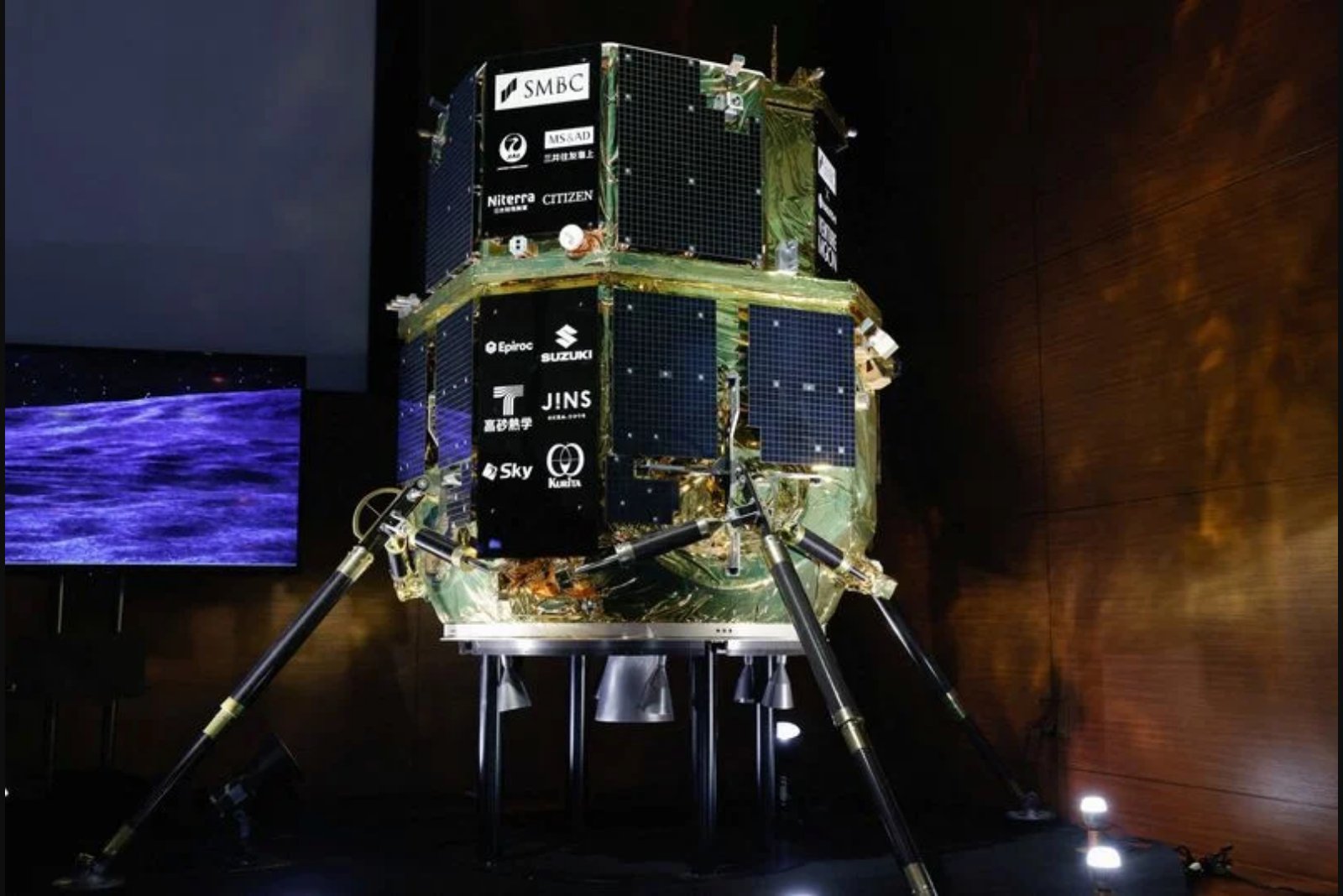
ispace, the Tokyo-based lunar transport company, said it will launch a lower-cost, shared lunar cargo offering that leverages SpaceX's Starship heavy rocket and lander. Under the agreement, ispace has purchased 500 kg (1,102 lb) of payload space on a Starship mission for $50 million, with a potential lunar landing scheduled as early as 2030.
The company will build a lunar surface vehicle capable of hosting payloads from a variety of clients who will share the single Starship ride to the moon. ispace describes the new service as a "lunar access integrator" that provides moon-bound "buses" for multiple customers, complementing its continued work on purpose-built lunar landers, or "taxis," which it is developing separately.
Executive Vice President Hideari Kamiya said the integrator offering is designed to augment ispace's existing strategy of developing dedicated landers. While the Ultra family of landers remains a core focus, the ride-share approach aims to broaden access by creating an intermediate, lower-cost option for payloads bound for the lunar surface.
ispace has previously used SpaceX's Falcon 9 to attempt lunar landings, with touchdown efforts in 2023 and 2025 that did not succeed. The firm reiterated its target of achieving three soft landings of its Ultra landers on the moon by 2030. One of those Ultra missions is part of NASA's Commercial Lunar Payload Services programme.
Chief Executive Takeshi Hakamada said the tie-up with SpaceX will "exponentially" accelerate ispace's growth in the market for lunar infrastructure while the company continues to advance its Ultra missions. Hakamada also noted that SpaceX initiated the integrator business proposal, saying, "SpaceX approached us first."
SpaceX characterized the expanded cooperation as a continuation of its commercial sales activity. Stephanie Bednarek, SpaceX's vice president of commercial sales, said the integration services offer a practical route for smaller payloads to secure lunar transport today and that SpaceX looks forward to supporting ispace and its customers as they expand access to the lunar surface.
The relationship between ispace and SpaceX is not exclusive. NASA plans to use Starship's first lunar landing in 2028 as a component of its Artemis programme to return astronauts to the moon. Separately, the U.S. lunar rover startup Astrolab has also reserved space on a future Starship flight.
This transaction signals a strategic pivot toward ride-share logistics for lunar payloads, pairing ispace's surface-hosting vehicle concept with SpaceX's reusable Starship transportation system - which, unlike Falcon 9, includes a spacecraft element SpaceX intends to use for lunar and, ultimately, interplanetary missions.