
World June 28, 2026 08:33 PM

Father and Son Pulled from Rubble After Four Days; International Teams Continue Search in La Guaira

Rescue teams from France and the United States extract survivors as thousands remain missing following powerful earthquakes that devastated Venezuela

By Priya Menon
Share
Twitter Reddit Facebook LinkedIn

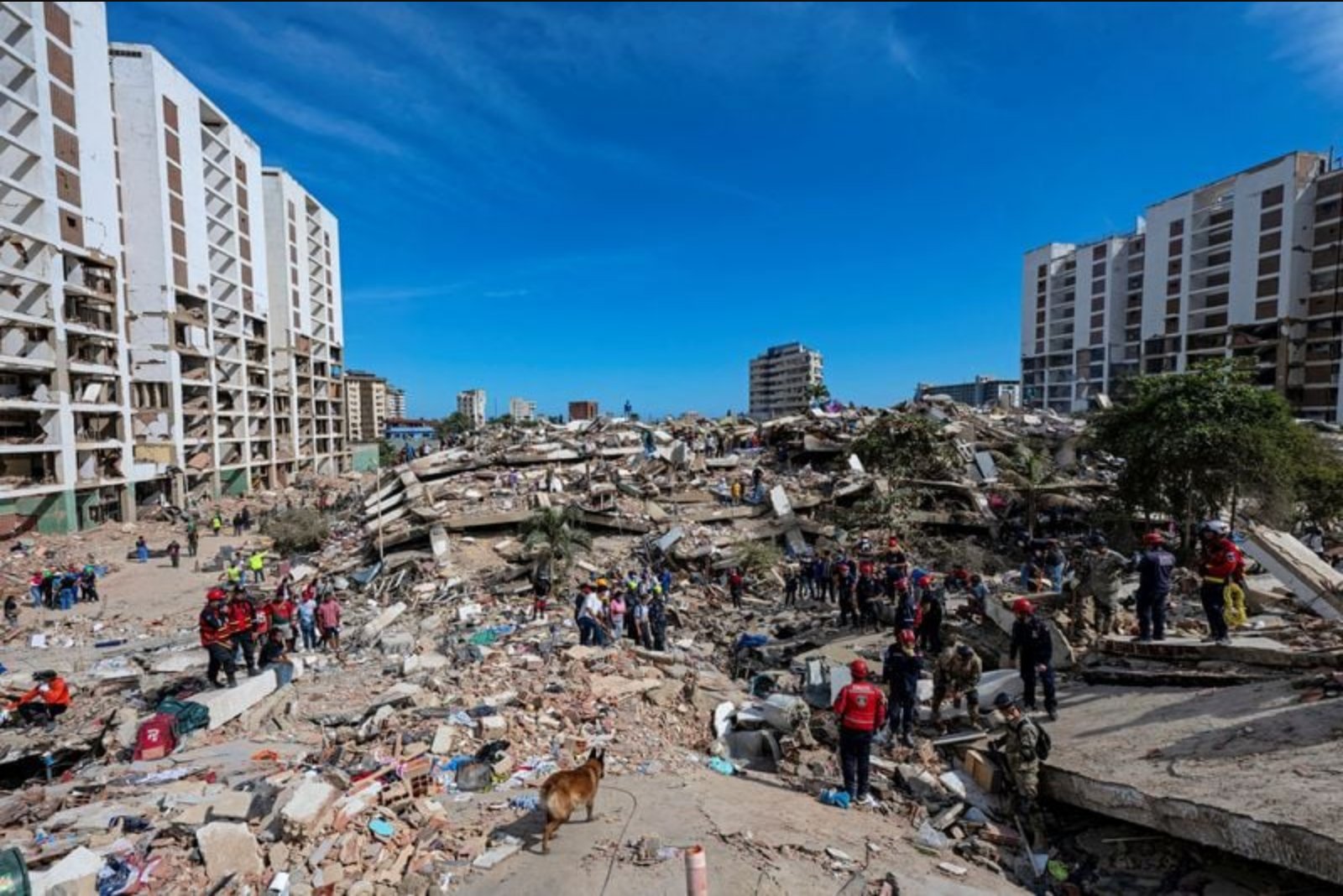
A father and his son were rescued alive from a collapsed building in La Guaira on Sunday, four days after earthquakes struck Venezuela. The pair were reached after 12 hours of delicate work by teams using search cameras and specialized extraction techniques. The coastal state where La Guaira is located was the hardest hit in the tremors that have left at least 1,450 people dead and thousands missing. International rescue personnel, including members of the French Civil Security and the Fairfax County Urban Search and Rescue Team from Virginia, continue to comb unstable ruins as the clock ticks on the chances of finding more survivors.

Father and Son Pulled from Rubble After Four Days; International Teams Continue Search in La Guaira
Summarize with
ChatGPT Perplexity Claude Grok Gemini

Key Points

  • A father and his son were rescued alive in La Guaira after being trapped under rubble for four days; they were transported on improvised stretchers and treated for severe dehydration and weakness.
  • International teams involved include the French Civil Security and the Fairfax County Urban Search and Rescue Team from Virginia; these teams used specialized search cameras and spent about 12 hours reaching the victims.
  • The earthquakes have killed at least 1,450 people, left thousands missing, and prompted ongoing search efforts that face rapidly diminishing chances of finding survivors past the 72-hour mark - sectors likely affected include emergency response, healthcare, infrastructure, and insurance.

Rescue workers in La Guaira carried a father and his son out of a collapsed building on Sunday, four days after powerful earthquakes struck parts of Venezuela. The two were alive but severely weakened when they were brought through debris-strewn streets on improvised fabric stretchers to a waiting ambulance, as local residents and responders gathered at the scene.

The extraction followed roughly 12 hours of painstaking operations. Teams carefully cleared material and used specialized search cameras to locate the trapped pair, then worked slowly through unstable rubble to reach them. Before the final pull, rescuers set up intravenous drips and removed debris to prepare the victims for removal.

A member of the French Civil Security described the condition of the rescued men: they were "extremely weak, as any patient trapped under rubble for four days would be," and teams focused on rehydration and administering medications while moving them out. Colleagues remained beside other unstable sections of the building, maintaining communications with one another and continuing the search for signs of life.

The response in that area includes members of the French Civil Security alongside American responders from the Fairfax County Urban Search and Rescue Team in Virginia. Those U.S. responders had earlier, the previous day, recovered a mother and her 9-month-old baby from similar conditions.

La Guaira lies within the coastal state identified as the hardest hit by the earthquakes that began four days earlier. Officials say the tremors have resulted in at least 1,450 fatalities and left thousands unaccounted for. Over the weekend, at least 33 people were rescued in the affected regions, even as authorities warned that tens of thousands remain missing.

Specialists involved in search and rescue note that the probability of finding survivors drops sharply after 72 hours following a major quake, a factor underscoring the urgency of the ongoing operations. Teams from multiple countries continue to press forward, working methodically amid unstable structures to try to locate anyone still trapped.


Contextual note: The rescue of the father and son provided a moment of relief for international and local crews working in extremely challenging conditions, but the scale of missing persons and the time elapsed since the earthquakes keep the search effort under severe time pressure.

Risks

  • Time-sensitive survivability - specialists say the odds of finding people alive drop sharply after 72 hours, creating urgency for rescue and medical teams; this affects emergency medical services and search-and-rescue logistics.
  • Unstable rubble and damaged structures slow extraction efforts and pose safety risks for both trapped individuals and responders, potentially prolonging rescue operations and straining reconstruction and construction sectors.
  • Large numbers still missing - tens of thousands reported unaccounted for increases uncertainty for planning humanitarian assistance, resource allocation, and insurance assessments.

More from World

A Coast Guard Officer Balances Maritime Duty and Temple Rites as Tensions Rise in the Taiwan Strait Jun 28, 2026 Putin Rejects Ukraine Proposal, Reaffirms Drive to Secure Four Regions and Strengthen Air Defences Jun 28, 2026 Tectonic Caprice: Twin Quakes Leave La Guaira Severely Damaged and Unevenly Split Jun 28, 2026 Regional Officials Say Russian Strikes Kill Four in Two Ukrainian Regions Jun 28, 2026 United Russia Places War Veteran, TV Correspondent and Senior Officials at Top of September Election List Jun 28, 2026