
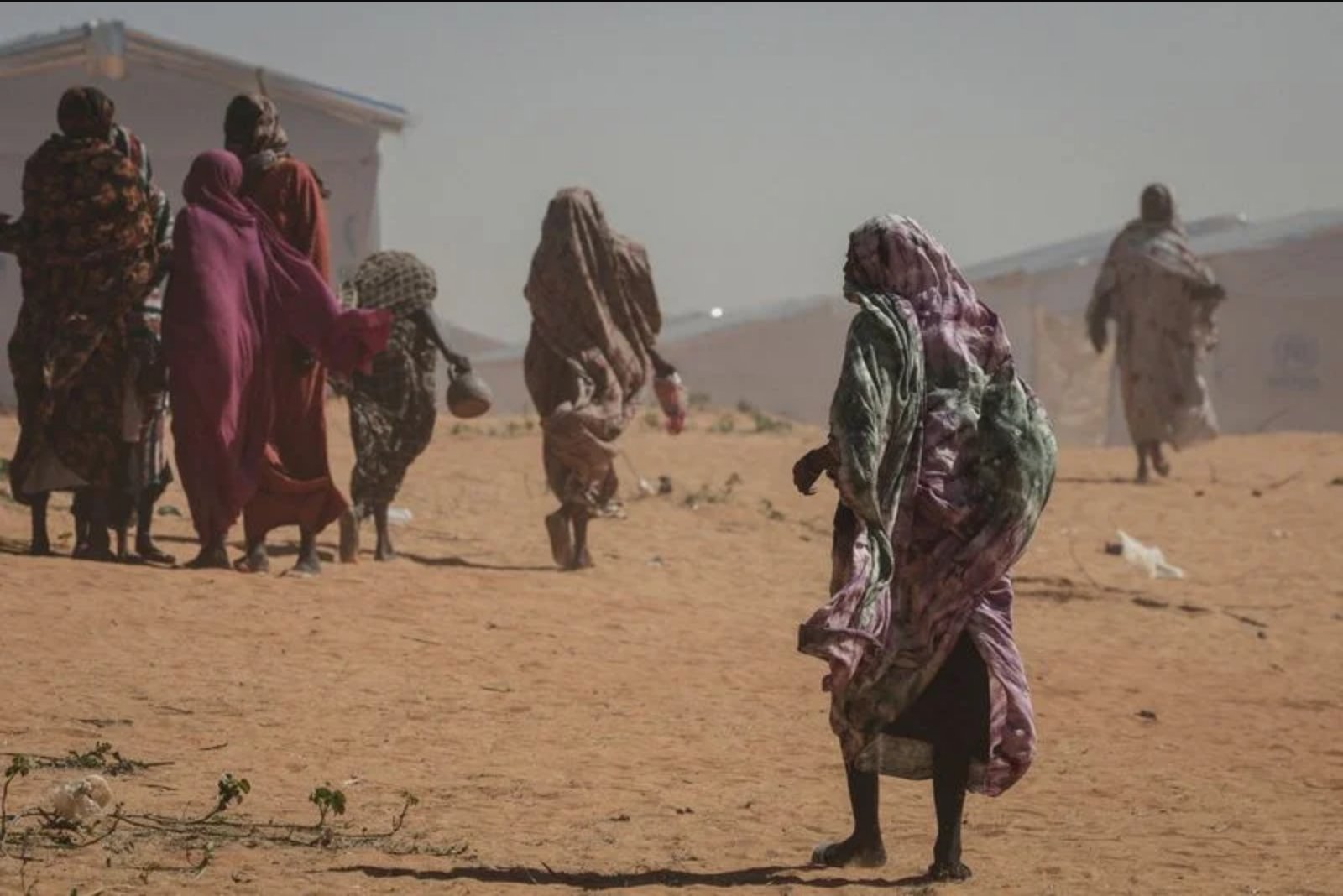
Most people surveyed across 29 countries continue to back the idea that those fleeing war or persecution should be able to find refuge abroad, according to a large-scale poll conducted by Ipsos in partnership with the U.N. refugee agency.
The survey, which included responses from more than 20,000 adults, found that about two-thirds of participants agreed that people in danger should have the option to seek refuge in another country. That level of support was essentially unchanged from the prior year, and certain countries recorded increases in backing for refugee protections, with Japan and France cited as examples.
The result arrives amid what the poll describes as near-record levels of displacement worldwide. The increase in displaced people has been driven in part by long-running conflicts such as those in Ukraine and Sudan, trends that have prompted some governments - including states that were previously more welcoming - to tighten border controls.
Legal protections for people fleeing persecution are enshrined in the 1951 Refugee Convention, which the survey notes was drafted in the aftermath of World War Two, a period that displaced tens of millions of people.
At a Geneva press briefing, Matthew Saltmarsh, a spokesperson for the U.N. refugee agency, framed the poll's steady support as noteworthy in the context of global polarization. He said:
"Even despite all of the background noise and the polarisation in the world at the moment, generally support for the institution of refuge and asylum is holding up and we think that that’s quite a positive thing to say in the current environment,"
The survey also detected a substantial undercurrent of skepticism about asylum claims. Around 61% of respondents voiced doubts about the validity of some claims for asylum, and the data show that these doubts were often expressed by people who simultaneously endorse providing protection to those in danger.
Trinh Tu, managing director of Ipsos UK, described the apparent contradiction at the heart of public opinion:
"What we see is a tension between people wanting to support those in desperate need at the same time as having doubts about whether the system is working as it should,"she said.
National-level findings include strong support for refugee protections in the United States, where 72% of respondents backed such protections. The poll notes changes in U.S. policy during the period covered: President Donald Trump froze refugee admissions from around the world when he took office in January 2025, and has since raised the refugee admissions ceiling to allow more white South Africans to enter.
Generational differences were also evident in the survey. Younger respondents tended to express more optimism about integration: almost half of Gen Z respondents voiced hope that refugees would integrate, compared with 39% of Baby Boomers.
The polling results therefore depict a complex mix of widespread endorsement for the principle of refuge, lingering concerns about the operation of asylum systems, and demographic divides in expectations about integration. The findings underscore both the durability of public support for refuge and the uncertainties policymakers face as displacement levels remain high.