
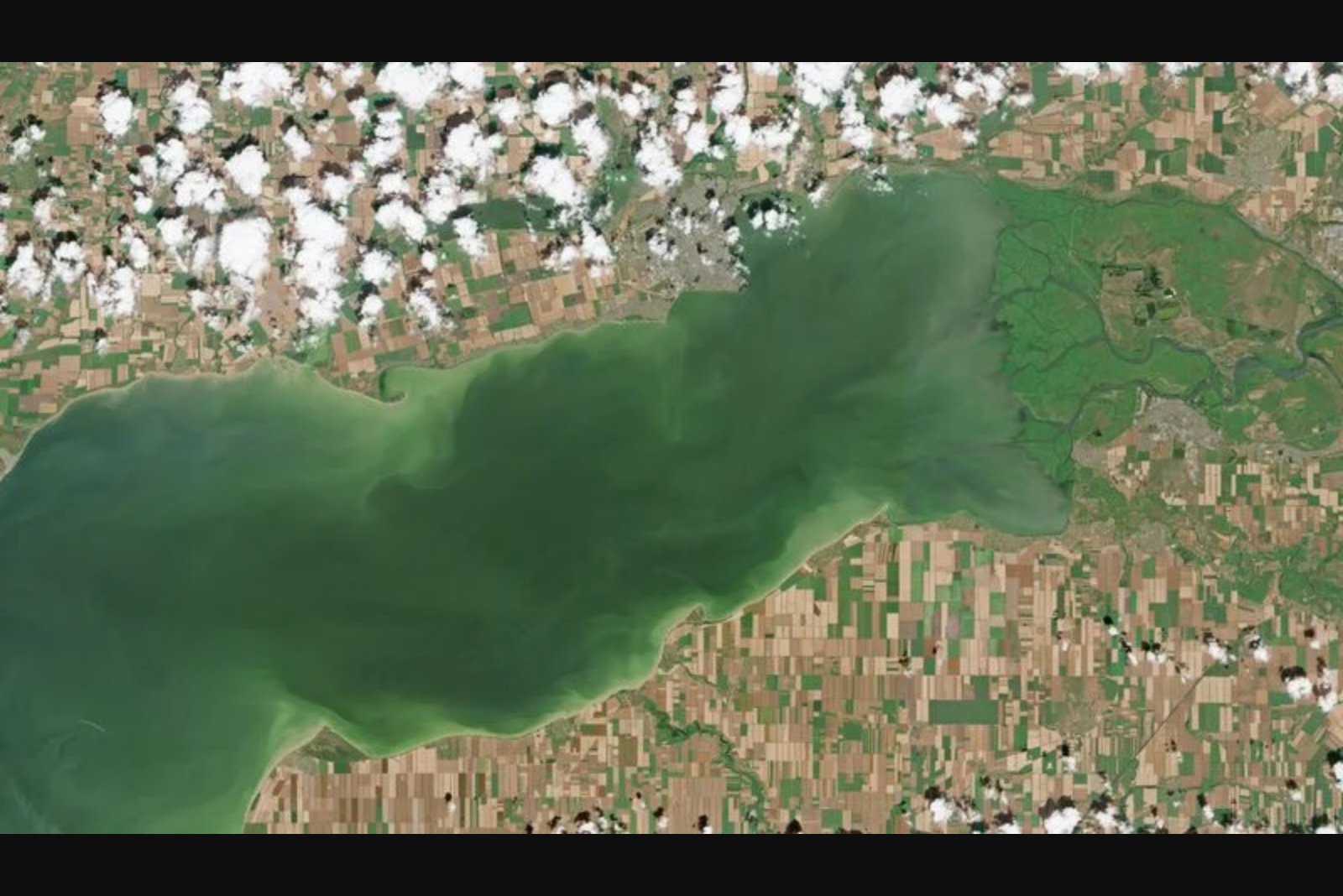
Russian officials on Tuesday accused Ukraine of conducting terrorist acts in the Sea of Azov following a new wave of drone strikes that Kyiv-affiliated forces said hit multiple vessels overnight. The Sea of Azov is an important coastal corridor that handles roughly one quarter of Russia's grain exports, and the recent activity has raised questions about shipping access and export logistics.
Robert Brovdi, identified as commander of Ukrainian drone forces, posted on Telegram that 11 Russian vessels were struck during an overnight operation. Brovdi listed the targets as five tankers, five dry cargo vessels and a tugboat, and he said the tally of vessels hit over the past nine days reached 116. The statement did not single out any grain ships among those targets.
Separately, several industry sources speaking on condition of anonymity because of the sensitivity of the situation said that on July 13 and July 14 a number of grain-carrying ships were hit and caught fire. One of those sources described the scene in stark terms, saying vessels appear as exposed targets and warning that only damaged ships may remain in the Sea of Azov in a matter of days.
Russia's foreign minister framed the strikes differently. Sergei Lavrov said the pattern of attacks serves no economic interest and amounted to deliberate damage and intimidation - labeling the actions "terrorism, pure and simple." Lavrov contrasted the attacks with piracy, saying the assaults do not yield spoil for attackers and instead aim solely at causing harm.
Ukraine's military response to the accusation was immediate. A Ukrainian military source told reporters that strikes conducted by the Ukrainian Armed Forces are directed only against military targets or objects that strengthen Russia's combat capability. The source added that civilian cargoes are not among the intended targets, and suggested that reports of attacks on civilian vessels are being used by Russia as justification for strikes on Ukrainian civilian infrastructure.
The operational picture in and around the Sea of Azov has become constrained. Multiple sources reported that shipping remained restricted on Tuesday, with access to the sea - which sits at the mouth of the Don River and serves primarily smaller coastal vessels - curtailed. One source said commercial vessels were unable to enter or leave the Sea of Azov through the Kerch Strait or via the Azov-Don channel, the latter connecting the sea with the Don River.
Over the past months, Ukraine has mounted strikes on various Russian energy and logistics nodes including oil refineries, fuel depots, ports and other parts of energy infrastructure. Those actions have been associated with reported fuel shortages within Russia and disruptions to energy exports, according to the accounts in circulation.
Despite accounts of restricted traffic, neither the Agriculture Ministry nor the Transport Ministry issued confirmations that Sea of Azov passage was closed. The Agriculture Ministry did, however, acknowledge that export routes may need to be adjusted. In a statement, the ministry noted that Russia has substantial capacity to transship agricultural cargo in different regions and that supply logistics can be redirected as required.
Grain exporters said cargoes could be rerouted through deep-water terminals on the Black Sea or moved via Baltic Sea ports, though some of those alternatives have also faced attacks by Ukrainian drones. The Agriculture Ministry said using alternative gateways would allow Russia to maintain its export obligations.
Russia's Union of Grain Exporters and Producers stated that the country will fully meet its grain export commitments to foreign partners despite the situation affecting the Sea of Azov.
Harvest activity is underway in Russia's southern regions, but officials noted that the earliest of the new crop deliveries are only beginning to arrive at ports. Local authorities in Rostov, a principal grain-producing area, said the primary objective of current work is to reduce the impact of temporary logistical obstacles on farmers' ability to sell their new harvest.
This evolving set of maritime attacks and counterclaims has immediate implications for shipping operators, grain exporters and regional logistics planners, as well as for energy supply chains already reporting strain. Authorities and industry participants are watching whether rerouting and transshipping can fully compensate for restricted access to the Sea of Azov and maintain export schedules.