
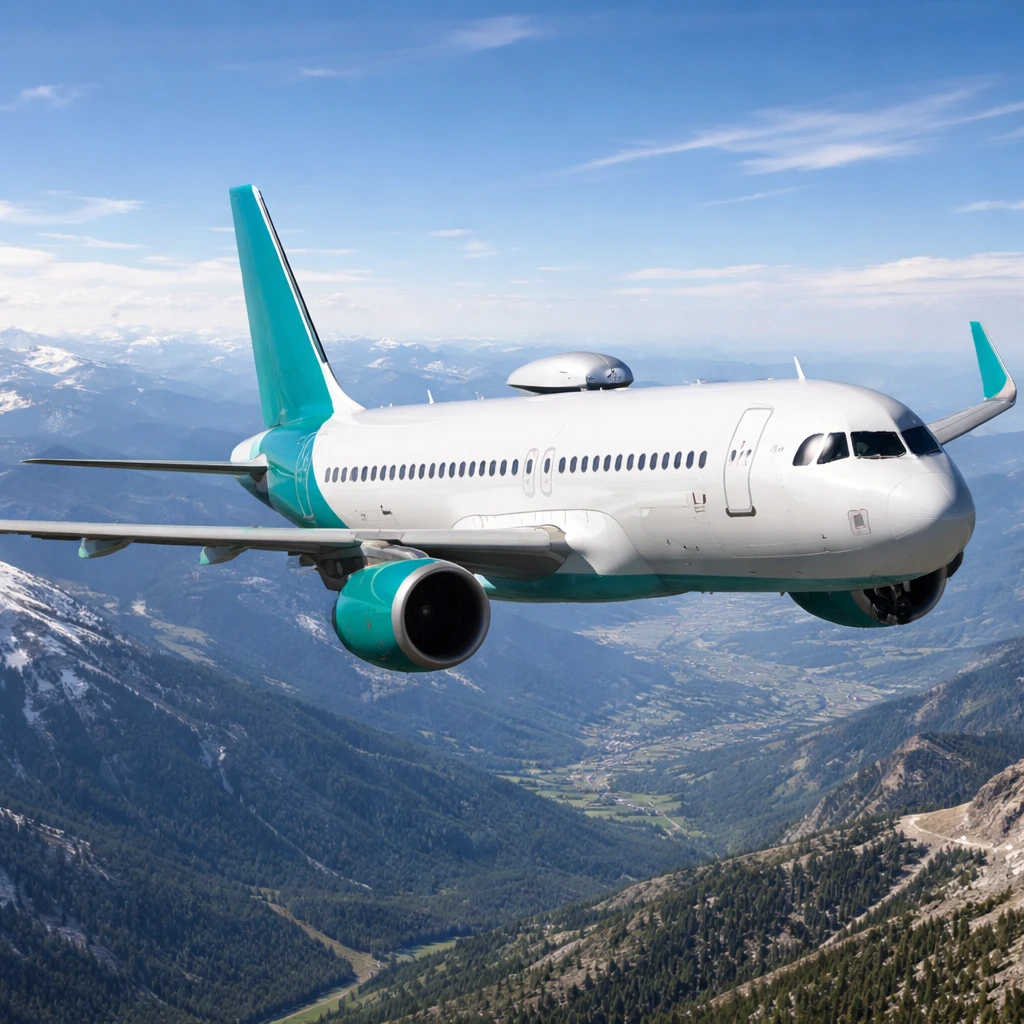
Frontier Airlines said on Tuesday it will install SpaceX's Starlink satellite internet on its planes, with the first Airbus scheduled to begin offering the service in early 2027. The Denver-based ultra-low-cost carrier's decision adds it to an expanding roster of airlines that have selected Elon Musk's satellite broadband network for onboard Wi-Fi.
Frontier noted the first aircraft equipped with Starlink will enter service in early 2027. The move places the carrier among several budget airlines worldwide that have moved to Starlink, joining names such as Wizz Air in Europe, Mexico's Volaris, Chile's JetSmart and the Philippines' Cebu Air.
The carrier's announcement also further extends SpaceX's footprint in aviation, building on earlier commitments from U.S. and international carriers. American Airlines revealed in May plans to outfit more than 500 jets with Starlink beginning in early 2027, and other carriers including Alaska Air Group and Emirates previously announced Starlink installations. Together these agreements bring SpaceX's deal count with airlines to more than 40 carriers globally, according to the company.
Frontier's chief executive, Jimmy Dempsey, framed the addition as an enhancement to the onboard experience, saying: "Starlink transforms the onboard experience, giving customers the flexibility to work, stream, browse, and stay connected throughout their journey."
Not all carriers have committed to Starlink. Delta Air Lines selected Amazon's satellite-based service, known as Amazon Leo, in March with plans to deploy Wi-Fi starting in 2028, and JetBlue was the first airline to pick Amazon's offering last September. Ryanair's chief executive Michael O'Leary said in January his budget airline would not install Starlink, citing concerns that the equipment would add weight and thus increase fuel costs.
Industry observers have noted that Frontier was among the later U.S. carriers to add onboard Wi-Fi. The airline's former CEO, Barry Biffle, had previously expressed reluctance to accept the additional weight that hardware for inflight connectivity would bring to aircraft.
Context and market implications
- SpaceX's Starlink is accumulating airline customers, widening its lead over competing providers in aviation contracts.
- Several low-cost carriers globally have opted for Starlink, while a subset of major carriers have chosen alternative suppliers or declined installation on cost and weight grounds.
- The adoption choices by airlines influence suppliers across satellite communications, aircraft equipment, and airline customer experience offerings.