
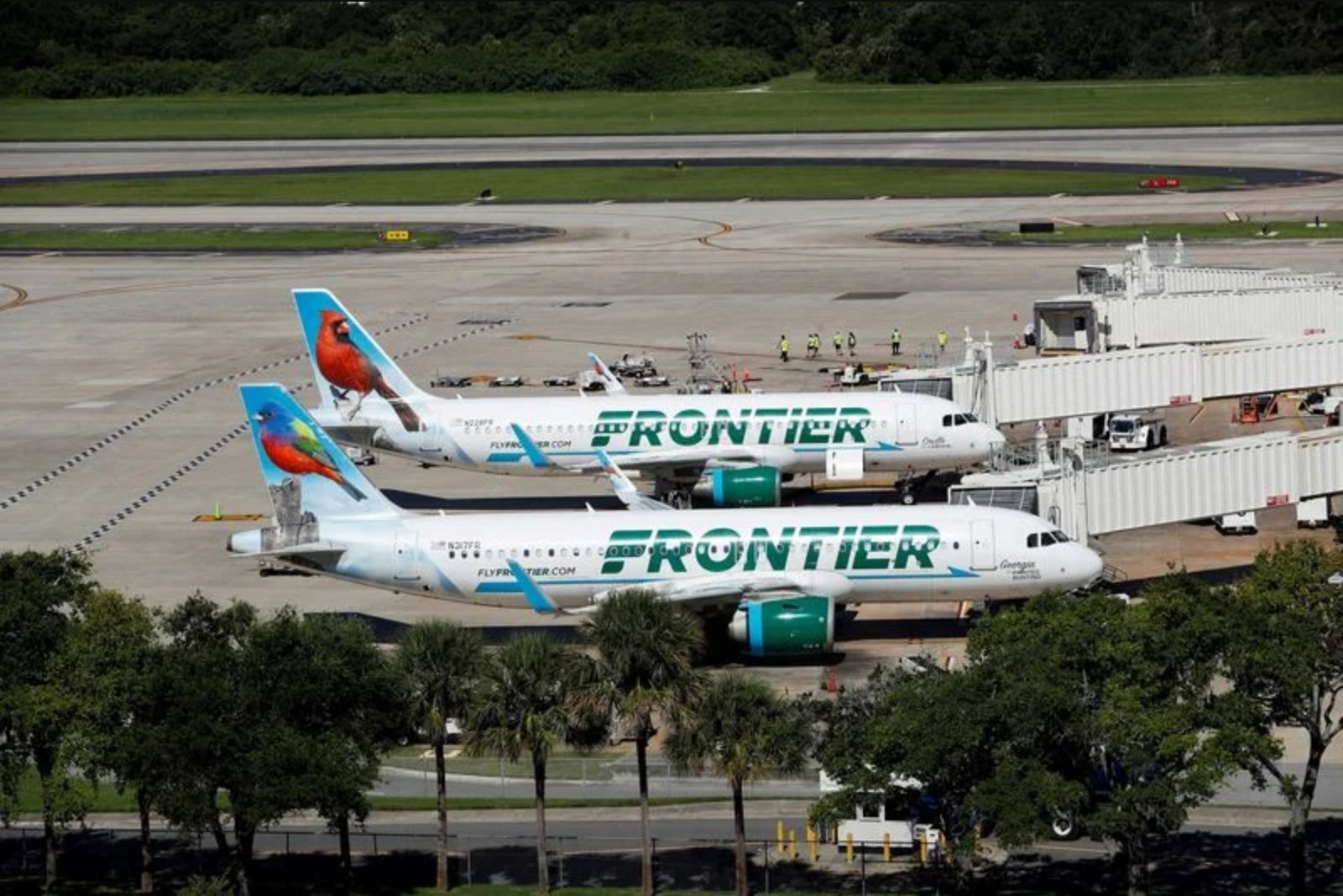
NEW YORK, July 14 - Frontier Airlines said on Tuesday it will deploy in-flight Wi-Fi powered by SpaceX’s Starlink system and plans to begin installing the equipment across its aircraft in early 2027. The Denver-based carrier is the first U.S. ultra-low-cost airline to sign an agreement to offer Starlink connectivity to passengers.
The deal places Frontier among carriers selecting Starlink as providers of onboard internet service at a time when the satellite broadband operator is contending with Amazon’s Kuiper project for airline contracts. Airlines have increasingly added premium offerings to differentiate service, and Frontier’s Starlink decision follows other recent product enhancements by the carrier, including the introduction of first-class seating and adjustments to its loyalty program intended to appeal to higher-spending customers.
"We’re continuing to invest in the products and services that matter most to our customers," Chief Executive Officer Jimmy Dempsey said in a statement.
Frontier did not disclose the financial terms of the arrangement. Industry analysis notes that installing Starlink equipment can be a heavy capital outlay for large fleets, with costs able to reach into the hundreds of millions of dollars. Frontier is part of a group of airlines tied to Indigo Partners that, collectively, expect to equip more than 1,000 aircraft with Starlink.
Not all low-cost carriers have embraced the economics of in-flight connectivity. The article notes that carriers such as Ryanair and EasyJet have publicly raised concerns about the costs associated with providing onboard internet, underscoring a broader debate in the budget-carrier segment over whether premium additions generate sufficient ancillary revenue to offset installation and operating expenses.
Starlink’s technology relies on thousands of satellites in low-Earth orbit, which the company and others say generally deliver faster connections and lower latency than traditional geostationary satellite networks. The article does not provide additional technical or contractual specifics beyond the expected installation timeline and Frontier’s statement.
Sectors affected: Airlines and satellite communications providers; ancillary impacts to aviation services and passenger experience economics.