
World July 14, 2026 08:42 AM

India Affirms Cooperation on Transnational Crime After U.S. Indictment in Canada Slaying

New Delhi says it will work with partners on law enforcement as U.S. accuses imprisoned gang leader of directing 2023 murder in Canada

By Nina Shah
Share
Twitter Reddit Facebook LinkedIn

India said it remains committed to close law enforcement and security cooperation with international partners after U.S. prosecutors last week charged Lawrence Bishnoi, the imprisoned leader of an Indian criminal gang, and a North American deputy with directing the 2023 killing of Sikh separatist figure Hardeep Singh Nijjar in Canada. New Delhi described earlier allegations of state involvement as "absurd" while pledging to follow legal processes on any extradition request.

India Affirms Cooperation on Transnational Crime After U.S. Indictment in Canada Slaying
Summarize with
ChatGPT Perplexity Claude Grok Gemini

Key Points

  • India reaffirmed commitment to close law enforcement and security cooperation with international partners to combat transnational organised crime - relevant to diplomatic relations and international security sectors.
  • U.S. prosecutors have charged Lawrence Bishnoi and a North American deputy with directing the 2023 murder of Hardeep Singh Nijjar in Canada, a development with diplomatic implications for bilateral relations among India, the U.S., and Canada.
  • Ottawa and New Delhi are taking steps to restore ties and are pursuing a free trade agreement expected to be concluded by year-end - a matter affecting trade and market participants focused on bilateral commerce.

India reiterated its commitment to combating transnational organised crime on Tuesday, responding to recent U.S. criminal charges that tie an imprisoned Indian gang leader to the 2023 killing of a Sikh separatist leader in Canada.

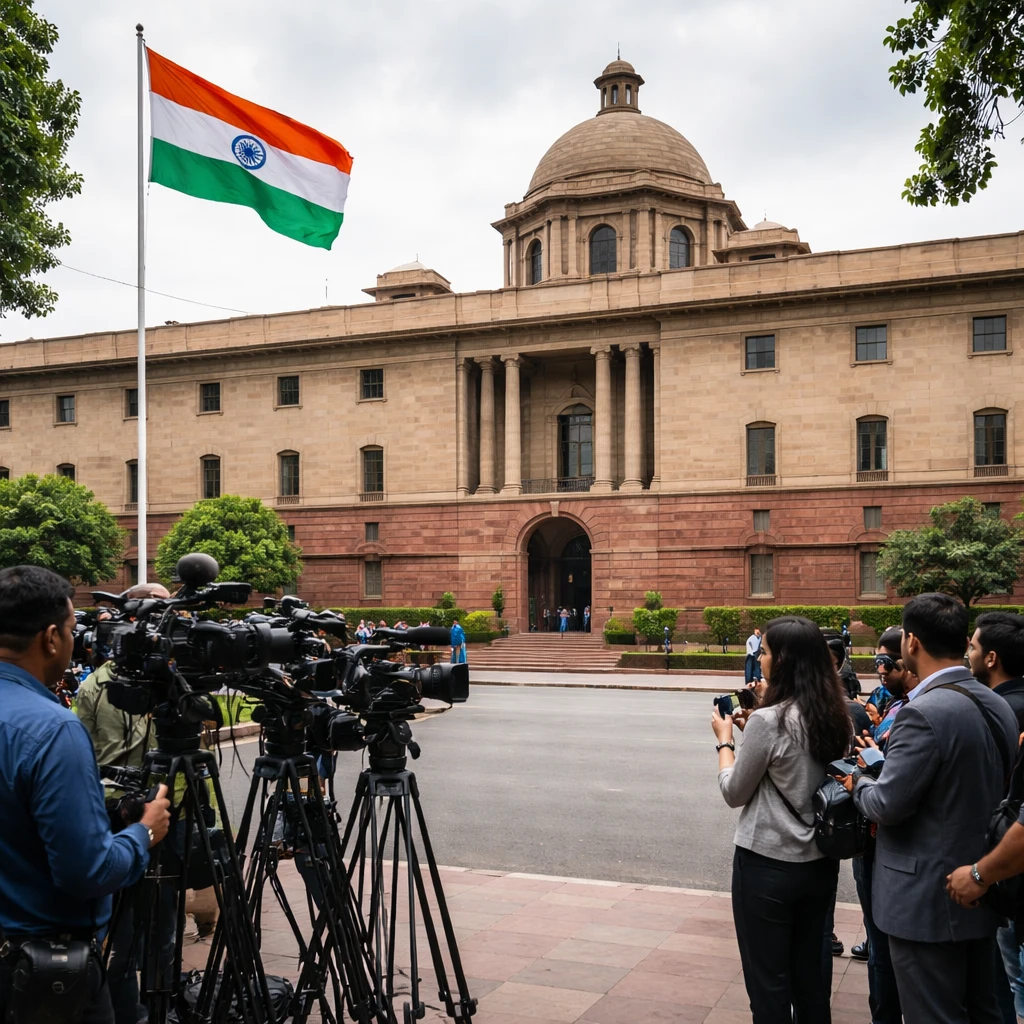
At a regular media briefing, Indian foreign ministry spokesperson Randhir Jaiswal said New Delhi and Washington have "strong and effective growing cooperation" on tackling organised crime that crosses borders. He emphasised that India remains committed to working with its partners "through close law enforcement and security cooperation."


The remarks come after U.S. prosecutors last week charged Lawrence Bishnoi - described in U.S. filings as the imprisoned head of an Indian criminal gang - and his North American deputy with directing the murder of Hardeep Singh Nijjar.

Nijjar was shot dead outside a Sikh temple in Surrey, Canada. The killing prompted then-Prime Minister Justin Trudeau to publicly allege Indian involvement, a charge New Delhi had earlier dismissed as "absurd." U.S. and Canadian officials, in subsequent statements, did not repeat suggestions that the Indian government had been involved in or had prior knowledge of Nijjar's killing.


When asked about the possibility of Bishnoi's extradition, Jaiswal said New Delhi would handle any request in accordance with "established legal obligations and judicial processes" applicable to the case. A U.S. Attorney's Office official had indicated last week that they would seek extradition when asked.

The comments from the foreign ministry underline India's stated preference for addressing such matters through legal channels and bilateral law enforcement cooperation rather than through public accusation or diplomatic confrontation.


Separately, the statement noted ongoing efforts to normalise ties between Ottawa and New Delhi. Officials from the two capitals have been working to restore diplomatic relations in recent months, and both sides are aiming to finalise a free trade agreement by the end of the year.

Jaiswal's briefing reiterated that India intends to continue engaging with partner countries on transnational organised crime while respecting established judicial frameworks for any extradition and related legal steps.

Risks

  • Uncertainty over extradition outcomes - any extradition request would be subject to established legal obligations and judicial processes, creating potential legal and diplomatic delays that could affect bilateral cooperation and legal services sectors.
  • Residual diplomatic strain related to the Nijjar killing could complicate negotiations on the planned free trade agreement between India and Canada, posing risks to trade-oriented sectors and businesses awaiting the pact.
  • Public allegations and high-profile criminal charges may weigh on investor sentiment and market perceptions around regional stability and diplomatic relations, potentially influencing market participants tracking cross-border trade and investment flows.

More from World

U.S. President Proposes 20% Charge on Strait of Hormuz Cargoes as Ceasefire Collapses Jul 14, 2026 New York Enacts One-Year Moratorium on Large Data Center Construction Jul 14, 2026 Lebanon and Israel Pick Up U.S.-Brokered Implementation Talks in Rome Jul 14, 2026 Broad Global Backing for Refuge Is Sustained Despite Rising Displacement, Poll Finds Jul 14, 2026 Russian anti-war candidate accuses authorities of blocking his Duma campaign after being labelled 'foreign agent' Jul 14, 2026