
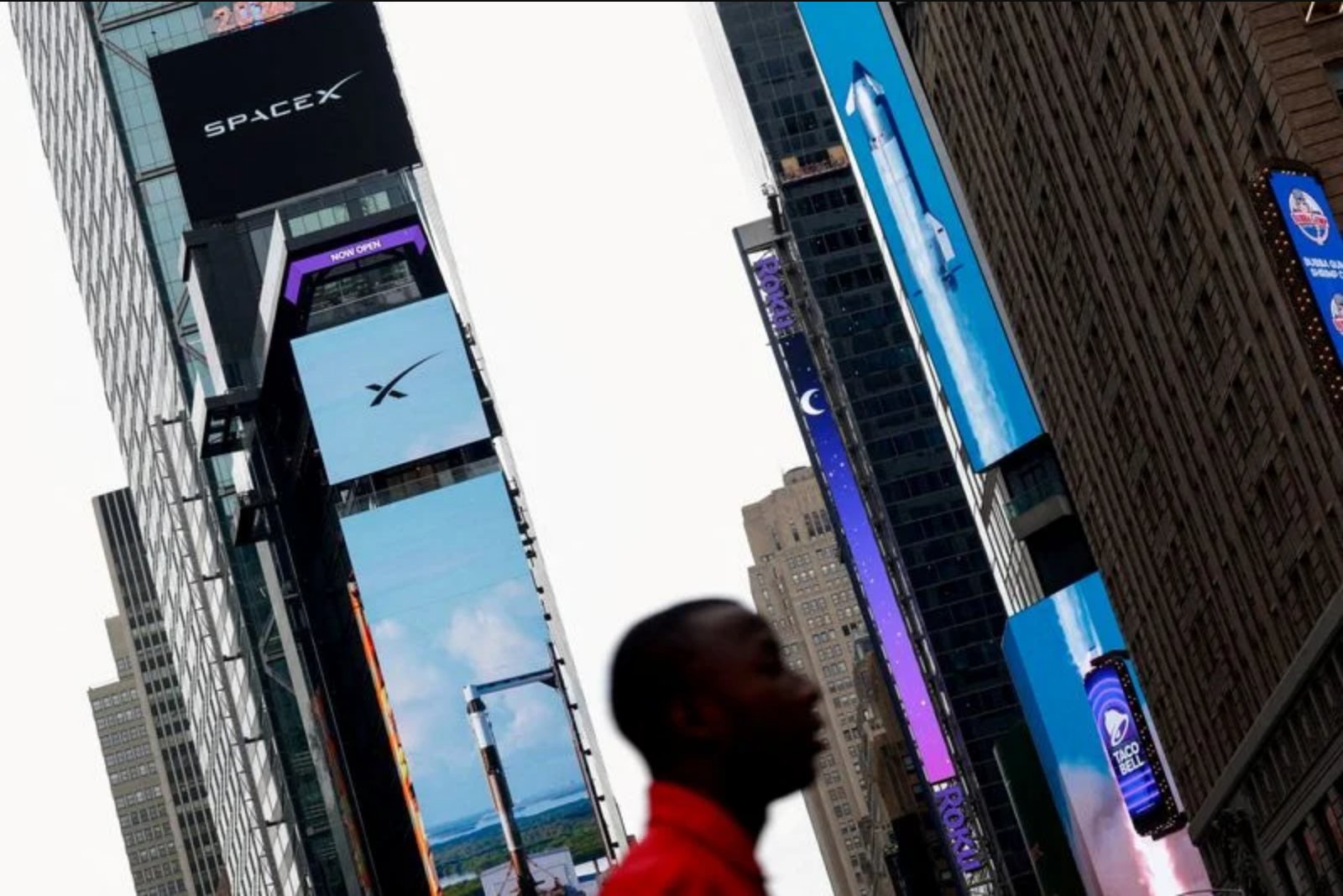
Retail investors were front and center in the initial public offering of SpaceX, scrutinizing brokerage accounts and e-mail notices to determine how much of the company they were allotted, while others went straight to the open market to buy shares once trading began. The firm and its underwriters had designated as much as 30% of the shares sold to the public for retail buyers, a decision that made securing an allocation highly competitive.
For many individuals, simply getting any portion of the offering was the objective. Joseph Gutheinz, a retired NASA investigator now practicing law, said he did not attempt to submit a formal IPO allocation request but was able to purchase $100,000 worth of shares at $161 on the stock's first trading day. Gutheinz described the purchase as a welcome entry into the company, saying that whether the position ultimately wins or loses, he is pleased to be invested.
Market observers linked retail participation to the stock's strong debut. SpaceX shares rose 19% on their opening day of trading, a jump that, according to Art Hogan, an investment strategist at B. Riley Wealth in Boston, was among the outcomes driven by retail buying. Hogan noted that the unusually large slice of the IPO reserved for retail - far larger than is typical in his experience - made the offering especially attractive to self-directed individual investors seeking a high-profile name.
Retail brokerages involved in the deal reported heavy demand through their platforms. A spokesman for SoFi described the transaction as the largest and most subscribed offering the company has handled to date, and added that everyone who met the firm’s eligibility criteria received an allocation. Tracking firms observed a flurry of retail activity: net retail purchases of SpaceX accounted for about 4% of all single-stock retail turnover on the day of the IPO, totaling $453 million. That figure was approximately 3.5 times the retail turnover pace of the second-place stock, Nvidia.
Vanda Research, which monitors self-directed investor flows, watched SpaceX climb in retail popularity within minutes of the market open. In the first 20 minutes of trading, SpaceX reached the number two spot for most actively purchased stocks by retail traders and by mid-afternoon had moved into the top position, significantly outpacing competing names.
Despite the broad retail interest and the sizeable allocation, not all individual applicants received the quantities they requested. Posts on a Reddit thread devoted to allocation distribution included multiple accounts from would-be investors who received no shares or far fewer than they had sought. Examples posted by users included requests for 250 shares with no allocation provided, requests for 555 with an allocation of 10, and requests for 1,000 that resulted in 85 shares being allocated.
The IPO also reflected pledges made earlier by SpaceX founder Elon Musk about retail access. Musk had announced in 2024 that, should any of his privately held companies go public, he intended to give retail investors priority, especially those who hold shares of his public company Tesla. Musk framed the approach as reciprocity, writing at the time that "Loyalty deserves loyalty."
Early holders and investors who gained exposure to the company prior to the public offering appear, in many cases, to be in no hurry to reduce their positions. Clint Sorenson, chief investment officer at Ascentis Asset Management, said he offered clients who had invested in SpaceX through private investment vehicles the option to hedge their positions after the stock began trading publicly; he reported that none of those clients elected to hedge. According to Sorenson, investors who had prior exposure are choosing to continue holding and to celebrate their positions, rather than attempting to manage downside risk through hedging strategies.
The prominence of retail demand for SpaceX underscores the role that individual investors can play in large, high-profile transactions, especially when underwriters carve out a substantial share of an offering for the retail segment. At the same time, the allocation process left some participants disappointed, illustrating how competitive access to small-slice allotments can be even when firms attempt to reserve meaningful portions of an IPO for individual buyers.
Context and implications
The decision to allocate up to 30% of the offering to retail helped drive early participation and contributed to a notable first-day price increase. Retail platforms reported unprecedented interest, and tracking firms documented a concentration of self-directed trading activity behind the stock's opening momentum. However, the same mechanics that produced high retail involvement also generated distributional outcomes that left some applicants with little or none of what they requested.
Observers and participants emphasized different aspects of the event: some focused on the success of broad retail engagement and a strong market debut, while others highlighted the allocation shortfalls experienced by many applicants. The mix of enthusiasm, unmet demand and concentrated trading activity may influence how future high-profile IPOs consider retail allocations and how individual investors approach participation in primary market deals.