
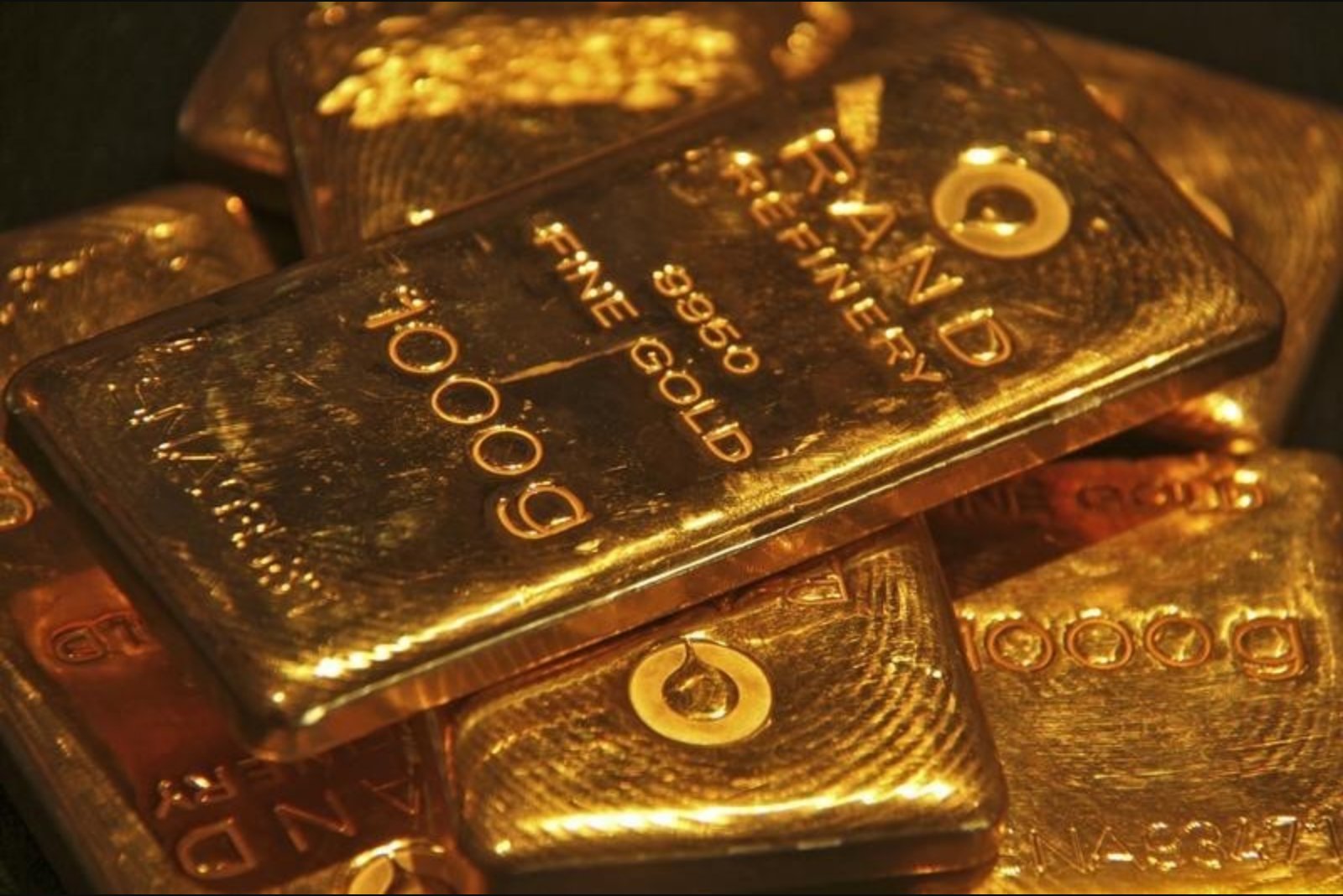
Gold rallied strongly in Asian trading on Monday as news that the U.S. and Iran reached an interim peace framework drove a slide in oil and nudged the dollar lower. Spot gold was up 2.3% at $4,317.32 an ounce by 21:48 ET (01:48 GMT), while U.S. Gold Futures for August delivery rose 2.4% to $4,338.75.
The uptick continued a recovery from last week's multi-month lows near $4,000 per ounce, as traders reassessed the outlook for inflation and monetary policy in light of the diplomatic development.
Officials from both countries said the framework would halt hostilities, end the U.S. blockade of Iran, and reopen the Strait of Hormuz, a vital channel for global oil shipments. Pakistani Prime Minister Shehbaz Sharif stated the agreement would be formally signed in Switzerland on Friday.
Markets reacted quickly. Brent crude tumbled more than 4% to around $84 a barrel as participants priced in the potential return of Gulf oil flows and a reduction in the risk of supply disruptions that had elevated energy prices. The U.S. dollar softened, with the US Dollar Index last down 0.2% against a basket of major currencies.
The conflict had earlier pushed oil substantially higher, which in turn stoked inflation worries and helped raise expectations for more prolonged U.S. monetary tightening. Those dynamics supported the dollar and pushed Treasury yields up, diminishing the relative attractiveness of non-yielding assets such as gold. The new diplomatic development reduced some of those inflation and policy concerns.
Market-implied odds for further Federal Reserve tightening eased following the announcement. According to the CME FedWatch tool, traders now put the probability of a Fed rate increase by December at 49%, down from 69% a week earlier.
Attention now turns to scheduled central bank meetings this week. The Fed is set to convene on June 16-17, where policymakers are widely expected to leave rates unchanged while publishing updated economic projections. Elsewhere, the Bank of Japan is expected to raise interest rates to 1% this week, while the Bank of England is largely seen remaining on hold.
Other precious metals also gained ground. Silver rose 3.3% to $70.24 per ounce, and platinum increased 3.2% to $1,776.60 an ounce.
Market context and implications
The immediate market reaction highlights how geopolitical developments that reduce energy supply risk can quickly reshape expectations for inflation and central bank policy. In this instance, easing concerns about oil disruption reduced a key driver of recent price pressures, supporting non-yielding assets and prompting investors to reprice the path of U.S. interest rates.
What to watch next
- The formal signing of the agreement in Switzerland on Friday, as referenced by Pakistan's prime minister.
- Fed communications and updated projections at the June 16-17 meeting.
- Central bank moves this week, including the Bank of Japan's expected rate rise to 1% and the Bank of England's likely decision to hold rates steady.